Iran Permits Limited Passage for Indian Vessels Through the Strait of Hormuz, Ambassador Reveals
Synopsis
In a significant development, Iran's Ambassador to India, Mohammad Fathali, has confirmed that some Indian vessels have been permitted to transit the strategically important Strait of Hormuz. This announcement underscores the historical ties between the two nations amidst ongoing regional tensions.
Key Takeaways
Iran has permitted some Indian vessels to transit the Strait of Hormuz.
The decision underscores the historical relations between Iran and India.
The Strait of Hormuz is crucial for global oil and gas exports.
Ambassador Fathali addressed regional tensions and Iran's military posture.
Both nations are committed to addressing differences while focusing on common interests .
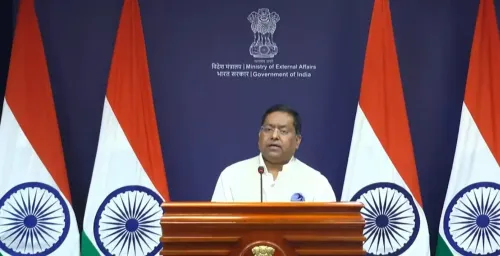
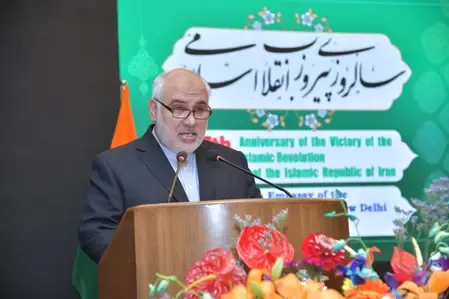
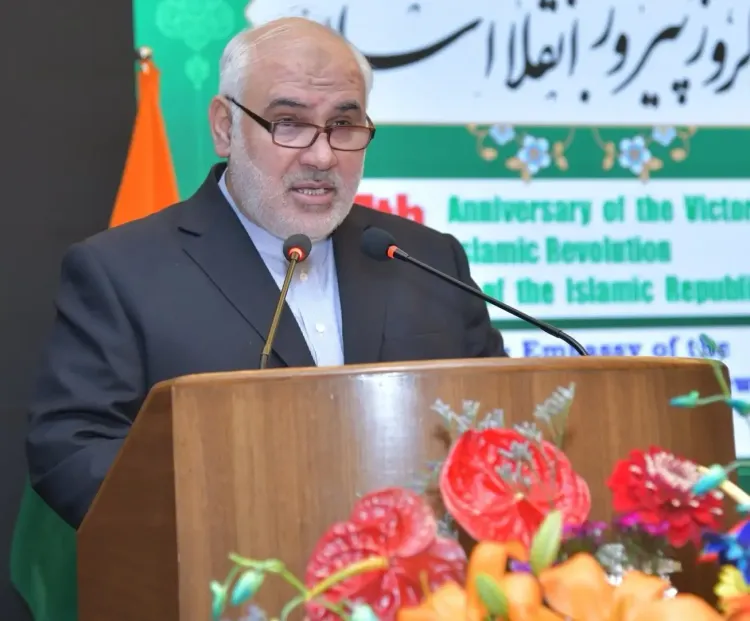
New Delhi, March 14 (NationPress) In light of the enduring ties between Iran and India, Iranian Ambassador to India, Mohammad Fathali, announced on Saturday that Tehran has permitted a limited number of Indian vessels to navigate through the Strait of Hormuz, although he refrained from disclosing specific operational details.
"Indeed, we have granted permission, but I cannot specify the exact number. As the Iranian Ambassador to India, I will continue to closely monitor this matter, for the historical relationship between Iran and India is significant. I have exerted my utmost effort in this regard. While there were some delays, the permissions were eventually granted," Fathali stated during the annual India Today Conclave in New Delhi, addressing inquiries about the number of Indian ships allowed and the duration of their passage.
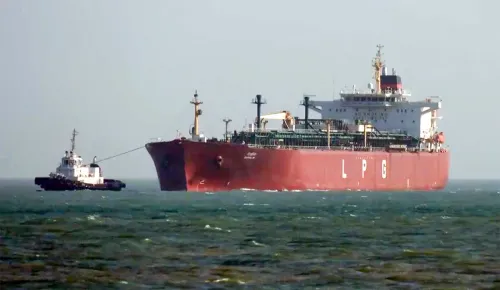
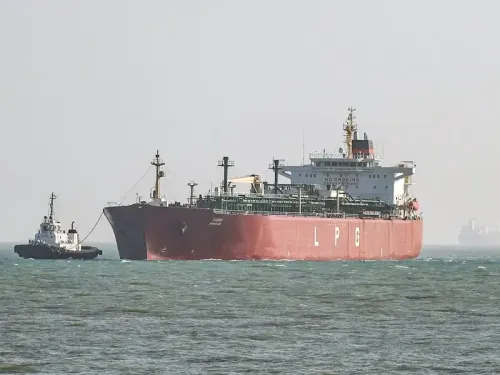
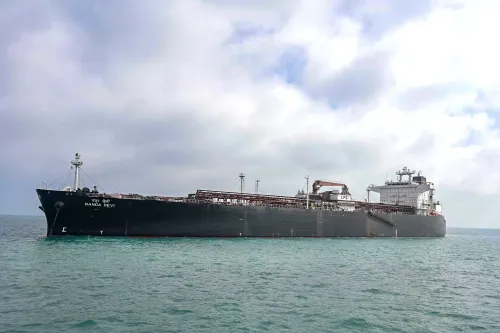
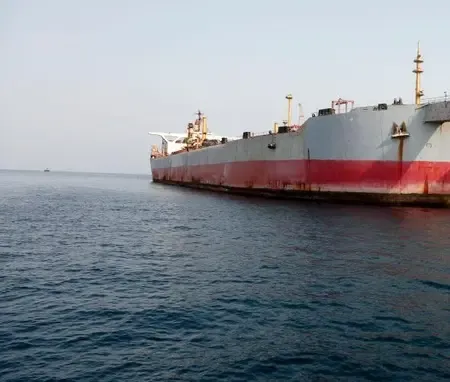
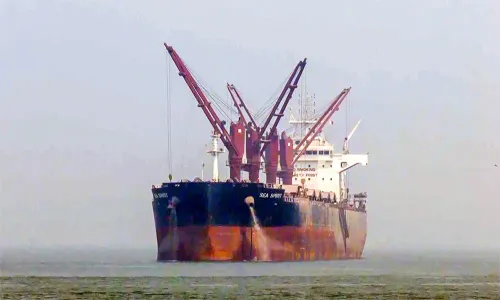
The diplomat's remarks come amidst reports that two Indian LPG tankers have been allowed to pass through the strategic Strait of Hormuz during the current conflict in West Asia. The tankers, named Shivalik and Nanda Devi, are expected to reach India in a few days. These vessels are operated by the state-owned Shipping Corporation of India Limited.
The Strait of Hormuz is one of the globe's most crucial maritime routes, accounting for 20% of the world's oil and gas exports.
Following the safe transit of the two LPG carriers, additional tankers are reportedly set to cross the conflict-affected waters after Iran granted safe passage to Indian-flagged vessels, according to reliable sources reported by IANS on Saturday.
Ambassador Fathali also defended Iran's decision to target U.S. military bases in various Gulf countries. He emphasized that a Tomahawk missile, which tragically struck a girls' school in Iran, killing approximately 170 students, was launched from a U.S. base in the region.
"We have made it clear that your assets within your nation will remain untouched... However, we questioned what actions we should take when our schools, including our children, were struck by American Tomahawk missiles. We respect the situation, but we will undoubtedly retaliate against U.S. bases. It is deeply concerning to see our schools targeted by missiles launched from bases in neighboring countries," the envoy remarked.
Ambassador Fathali reiterated that Tehran has consistently stated its readiness for both negotiations and military action.
"We have declared multiple times that Iran is prepared for both negotiation and conflict. However, we prefer dialogue," the Iranian diplomat noted during Saturday's event.
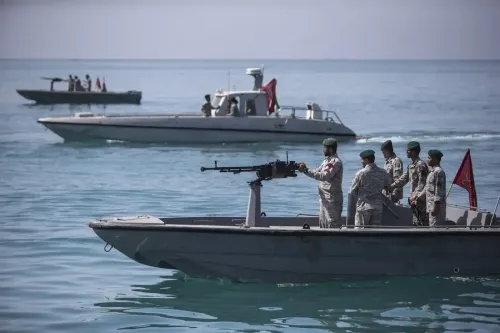
"We are also prepared for war. But be warned, while you may initiate conflict, you may not be able to conclude it," he replied to another question regarding the ongoing tensions.
He also referenced recent discussions between Prime Minister Narendra Modi and Iranian President Masoud Pezeshkian, indicating that the call had been delayed due to technical challenges arising from the ongoing conflict.
"I firmly believe that Iran and India share common interests," Fathali stated, emphasizing that both nations possess the political and social maturity to address any differences and collaborate effectively.
Point of View
The willingness to facilitate safe passage for vessels reflects a commitment to maintain strong bilateral relations. Both nations appear poised to navigate their differences while focusing on shared interests.
NationPress
18 Oct 2026
Frequently Asked Questions
Why has Iran allowed Indian vessels to pass through the Strait of Hormuz?
Iran's decision is based on the historical relationship between Iran and India, as stated by Iran's Ambassador to India, Mohammad Fathali.
What is the significance of the Strait of Hormuz?
The Strait of Hormuz is a vital shipping route, accounting for 20% of the global oil and gas exports.
How many Indian vessels have been allowed transit through the Strait?
The Ambassador did not disclose the exact number of vessels permitted but confirmed that some Indian ships have been granted passage.
What recent incidents have affected Iran and U.S. relations?
Ambassador Fathali highlighted that a U.S. Tomahawk missile struck a school in Iran, resulting in significant casualties, prompting Iran's firm stance against U.S. military bases.
What is Iran's stance on negotiations with the U.S.?
Iran has expressed its readiness for both negotiations and conflict, emphasizing a preference for dialogue.