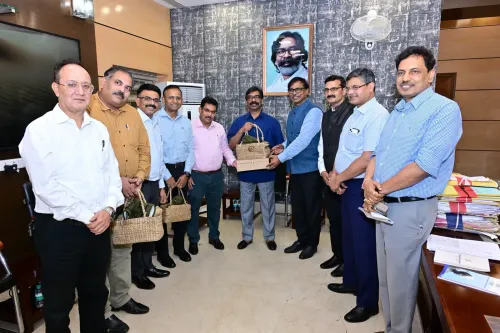
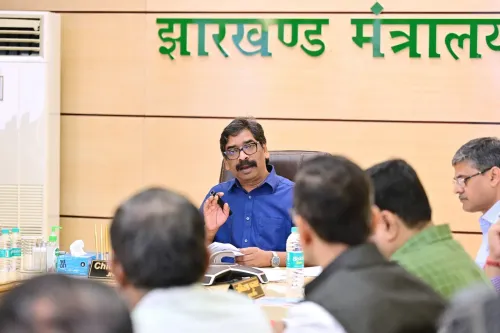
CM Hemant Soren chairs 16th Jharkhand Wildlife Board meet
Synopsis
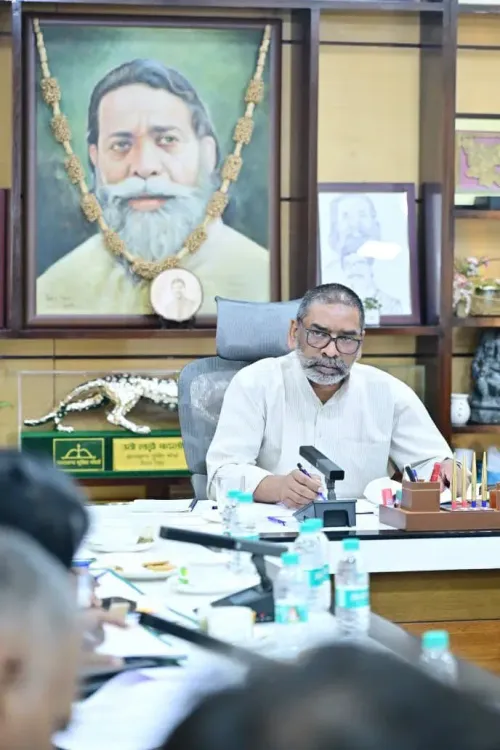
Chief Minister Hemant Soren chaired the 16th Jharkhand State Wildlife Board meeting on 19 November 2026, with discussions centred on wildlife conservation, species promotion, and protection of natural habitats across the mineral-rich, forest-dense state.
Key Takeaways
Chief Minister Hemant Soren personally presided over the 16th Jharkhand State Wildlife Board meeting on 19 November 2026 .
The meeting covered wildlife conservation, species promotion, and protection of natural habitats.
The Jharkhand Forest Department was tagged for follow-up implementation of board recommendations.
The board is a statutory body under the Wildlife (Protection) Act, 1972 , with jurisdiction over protected areas and habitat diversions.
Jharkhand's forests on the Chota Nagpur plateau are critical to both national biodiversity goals and the livelihood of tribal communities.
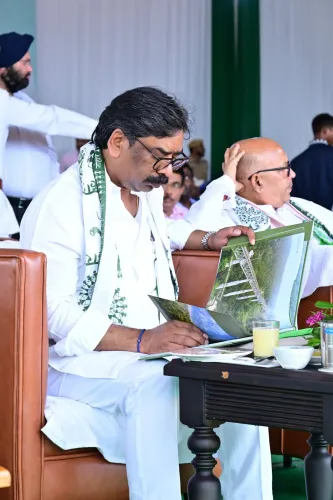
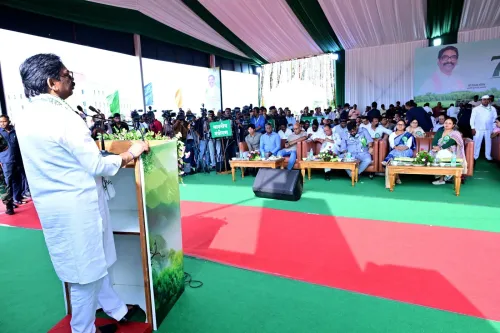
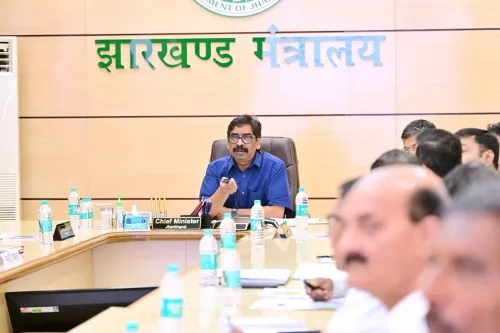
Jharkhand's forests got a full-room hearing on Thursday, 19 November 2026, when Chief Minister Hemant Soren presided over the 16th meeting of the Jharkhand State Wildlife Board — the statutory body that shapes the state's approach to protecting its remarkable biodiversity.
The Chief Minister's Office announced the meeting on X, noting that discussions covered 'conservation, promotion and protection of natural habitats of wildlife in the state' — the three-pronged agenda that defines every serious wildlife governance session. The Jharkhand Forest Department was also tagged, signalling that follow-up action will flow through its administrative machinery.
Why the Chota Nagpur plateau makes this meeting matter
Jharkhand, carved out of Bihar in 2000, sits atop the Chota Nagpur plateau — one of India's most ecologically significant landscapes, laced with sal forests, elephant corridors, and tiger reserves. It is also one of the most mineral-rich zones on the subcontinent, which puts conservation policymakers in a perpetual negotiating position: protect the forest, or permit the excavator. The State Wildlife Board is precisely the institution designed to hold that tension. The board is a statutory advisory body constituted under the Wildlife (Protection) Act, 1972 — the foundational legislation that governs species protection and habitat management across India. State-level boards like Jharkhand's meet periodically to review protected area boundaries, assess proposed diversions of forest land, and align state programmes with national projects such as Project Tiger and central Indian elephant corridor initiatives.Tribal communities and forest floors in the balance
The stakes of these meetings extend well beyond wildlife. Jharkhand's tribal communities — among the densest concentrations of Scheduled Tribe populations in India — depend on intact forest ecosystems for livelihood, culture, and legal land rights recognised under the Forest Rights Act. When the Wildlife Board deliberates on habitat protection, it is simultaneously deliberating on the conditions under which millions of people live. That overlap makes every session politically and socially consequential, even when it proceeds quietly. Soren, who leads the government from the Jharkhand Mukti Morcha, has positioned tribal welfare and forest governance as central planks of his administration. Chairing the board meeting personally — rather than delegating to a minister — sends a visible signal about the priority his government places on wildlife governance at the highest level. The specific agenda items and decisions from the 16th meeting have not been made public yet. What comes next will depend on what notifications and project directives the Jharkhand Forest Department issues in the weeks following the board's recommendations — and whether the promises made in the room translate into action on the forest floor.Point of View
Creating accountability upward as well as downward. How quickly the Forest Department converts board deliberations into on-ground notifications will determine whether this session is remembered as governance or ceremony.
NationPress
19 Nov 2026
Frequently Asked Questions
What is the Jharkhand State Wildlife Board?
The Jharkhand State Wildlife Board is a statutory advisory body constituted under the Wildlife (Protection) Act, 1972. It advises the state government on wildlife conservation, protected area management, and proposals involving forest land diversion.
Who chairs the Jharkhand State Wildlife Board?
The Chief Minister of Jharkhand serves as the chairperson of the State Wildlife Board, making Hemant Soren the presiding authority at the 16th meeting held on 19 November 2026.
What was discussed at the 16th Jharkhand Wildlife Board meeting?
The meeting addressed conservation and promotion of wildlife and protection of natural habitats in Jharkhand. Specific decisions or agenda items have not yet been made public by the government.
Why is wildlife conservation important in Jharkhand?
Jharkhand's Chota Nagpur plateau hosts rich biodiversity including elephant corridors and tiger reserves, while also being India's most mineral-rich zone. Balancing ecological protection with mining pressures makes wildlife governance critical to the state.
How do Jharkhand's tribal communities relate to wildlife conservation?
Tribal communities in Jharkhand depend on intact forests for livelihood and land rights under the Forest Rights Act. Wildlife Board decisions on habitat protection directly affect the conditions in which millions of tribal residents live.