Odisha CMO: Supplementary Budget 2026-27 Backs Culture
Synopsis
The Chief Minister's Office of Odisha declared on 19 November 2026 that the Supplementary Budget 2026-27 will strengthen support for the state's language, handloom traditions, and cultural heritage, aiming to preserve Odisha's identity for future generations.
Key Takeaways
The Chief Minister's Office of Odisha announced on 19 November 2026 that cultural preservation is a stated government priority.
The Supplementary Budget 2026–27 will direct resources toward Odisha's language, handloom sector, and heritage.
Odia became India's sixth Classical Language in 2014 , underpinning the state's strong cultural identity claims.
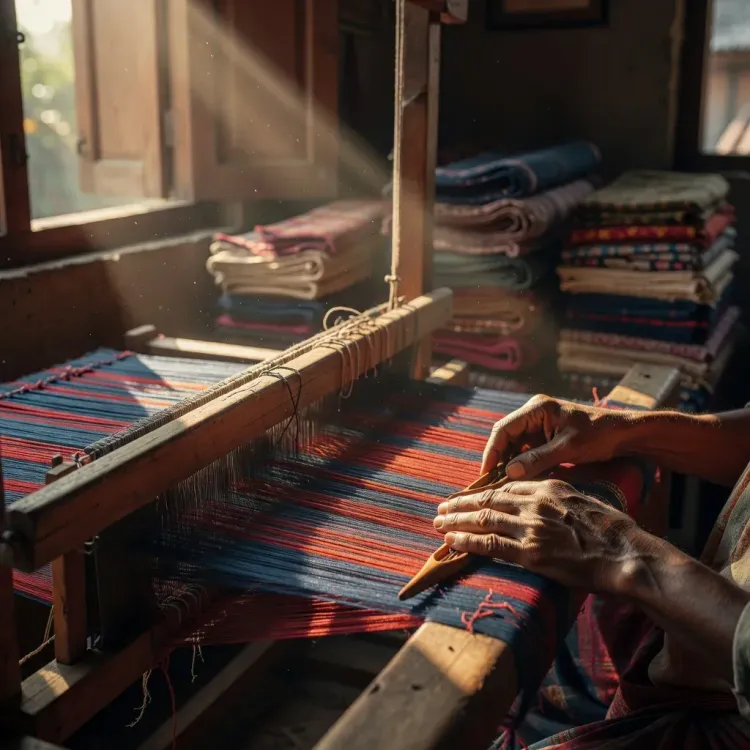
Odisha's handloom sector — home to Sambalpuri and Bomkai weaves — supports hundreds of thousands of artisan households.
Specific fund allocations and implementing schemes under the supplementary budget are yet to be publicly detailed.
The move fits a broader Indian state-level trend of integrating cultural budgeting with livelihoods and regional identity promotion.
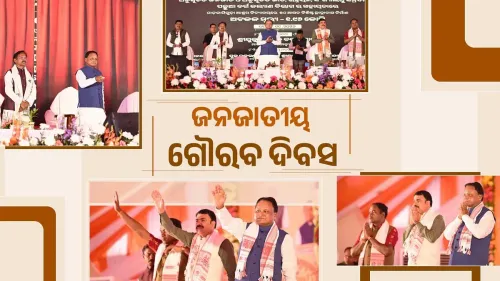
Odisha's handloom weavers and cultural custodians received a clear signal from the state's highest office on Thursday, 19 November 2026: their craft and heritage are not line items to be trimmed — they are a priority. The Chief Minister's Office of Odisha announced that the Supplementary Budget 2026–27 will direct dedicated attention toward the preservation and promotion of the state's language, culture, handloom traditions, and heritage.
The post, shared in both Odia and English, states: 'ଓଡ଼ିଶାର ଗୌରବମୟ ଭାଷା, ସମୃଦ୍ଧ ସଂସ୍କୃତି, ପାରମ୍ପରିକ ହସ୍ତତନ୍ତ ଓ ଐତିହ୍ୟର ସୁରକ୍ଷା' — 'preserving Odisha's glorious language, rich culture, traditional handloom and heritage' — is the government's foremost priority. The supplementary budget, it says, strengthens efforts to promote cultural identity and preserve this legacy for future generations.Why the Supplementary Budget Route Matters
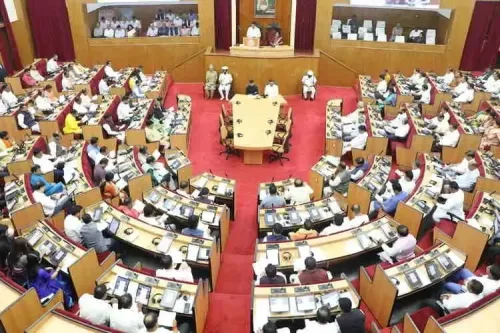
Supplementary budgets in Indian states serve as mid-year fiscal corrections — a tool governments use to channel funds into areas not fully covered in the main budget. By explicitly naming language, handloom, and cultural heritage as beneficiaries of the 2026–27 supplementary round, the Odisha government is making a public commitment that sits in parliamentary record. It is harder to walk back than a promise in a press release.
Odisha occupies a distinctive position in India's cultural map. The Odia language became India's sixth Classical Language — a recognition earned in 2014 — anchoring the state's claim to one of the subcontinent's oldest continuous literary traditions. Its handloom sector, which includes the celebrated Sambalpuri and Bomkai weaves, supports hundreds of thousands of artisan households. Both require sustained institutional backing to survive industrial competition and demographic shifts away from traditional crafts.
Handloom Weavers and the Stakes on the Ground
For the state's weaving communities, budget attention translates directly into scheme access — whether for yarn subsidies, cluster development, or marketing support through government emporiums. The handloom sector in Odisha has long contended with the twin pressures of powerloom substitution and inconsistent market linkages. Any reinforcement from the supplementary budget cycle has immediate downstream effects on artisan incomes.
Cultural practitioners — performers, archivists, traditional artists — face similar sustainability questions. Dedicated budget lines for language promotion, heritage documentation, and cultural infrastructure signal that the state intends to institutionalise, not just celebrate, its identity.
A Pattern Visible Across Indian States
Odisha's move fits a broader pattern emerging across Indian states with strong regional identities. From Tamil Nadu's classical arts corridors to Kerala's performing-arts academies, state governments increasingly treat cultural budgeting as both a soft-power exercise and a livelihoods intervention. The specificity of Odisha's framing — language, handloom, heritage, and promotion bundled together — suggests a whole-of-culture approach rather than piecemeal grants.
The actual scheme-level allocations and implementing agencies under this supplementary budget are yet to be detailed publicly. When those numbers surface, they will tell the fuller story of ambition versus execution.
Odisha's heritage is not a museum exhibit — and this government is betting real rupees on keeping it alive.
Point of View
The Odisha government is embedding heritage priorities into fiscal architecture — a move that creates accountability beyond rhetoric. It also reflects a wider strategic shift in Indian state politics, where regional cultural identity increasingly serves as an electoral and administrative differentiator. For Odisha specifically, with its Classical Language status and globally recognised textile traditions, the stakes of under-investment are reputational as well as economic. The real test will come when the line-item allocations are published and weighed against the scale of need on the ground.
NationPress
19 Nov 2026
Frequently Asked Questions
What did the Odisha government announce for culture in the Supplementary Budget 2026-27?
The Chief Minister's Office of Odisha announced on 19 November 2026 that the Supplementary Budget 2026-27 will prioritise the preservation and promotion of the state's language, culture, handloom traditions, and heritage, strengthening efforts to protect Odisha's cultural identity for future generations.
What is the significance of the Odia language in Odisha's cultural identity?
Odia was recognised as India's sixth Classical Language in 2014, reflecting one of the subcontinent's oldest continuous literary traditions. This status makes language promotion a central pillar of Odisha's cultural policy.
Which handloom traditions does Odisha want to preserve?
Odisha is home to celebrated weaving traditions including Sambalpuri and Bomkai textiles, which support hundreds of thousands of artisan households. Government budget support is aimed at sustaining these crafts against industrial competition.
What is a Supplementary Budget and why does it matter for Odisha's culture sector?
A Supplementary Budget is a mid-year fiscal instrument Indian state governments use to channel additional funds beyond the main budget. By naming culture and handloom explicitly in this round, the Odisha government places these priorities on parliamentary record.
When will details of the Odisha Supplementary Budget 2026-27 cultural allocations be available?
Specific scheme-level allocations and implementing agencies under the Supplementary Budget 2026-27 for language, handloom, and heritage sectors are yet to be publicly detailed as of November 2026.