CM Hemant Soren at Van Mahotsav 2026: Jharkhand adds 5,500 hectares of forest
Synopsis
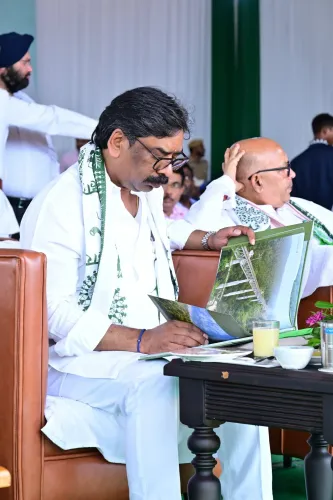
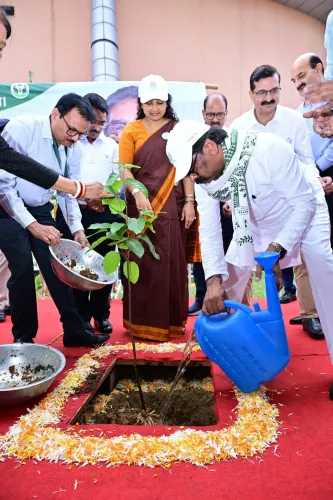
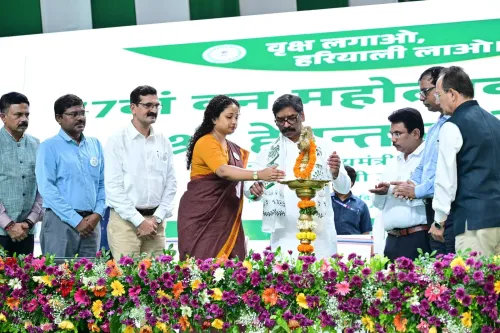
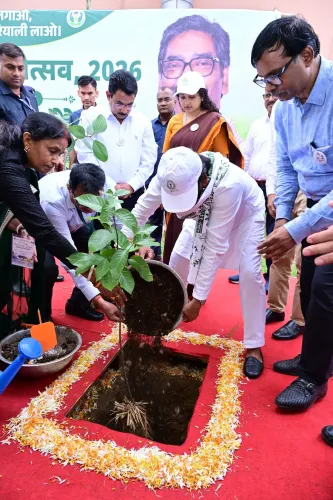
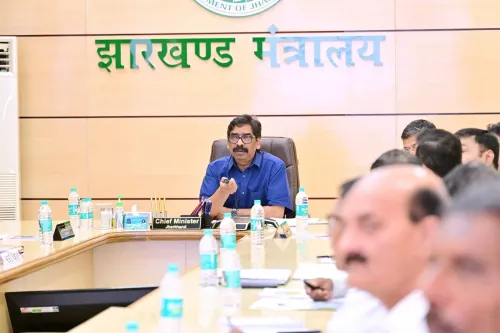
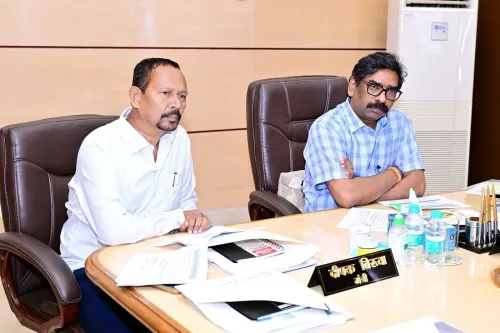
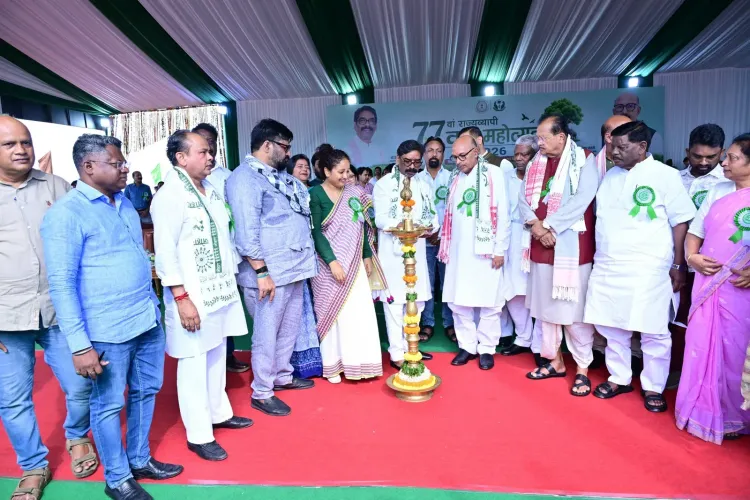
Chief Minister Hemant Soren attended the 77th Van Mahotsav 2026 in Jharkhand, chaired by Assembly Speaker Rabindranath Mahato. Satellite data cited at the event shows Jharkhand added approximately 5,500 hectares of forest cover over the past year, a significant marker for a state balancing mining pressures with environmental commitments.
Key Takeaways
Chief Minister Hemant Soren participated in the 77th Van Mahotsav 2026 held on August 11, 2026 .
The event was chaired by Jharkhand Legislative Assembly Speaker Rabindranath Mahato .
Satellite-based assessment cited at the event shows a net forest cover gain of approximately 5,500 hectares in Jharkhand over the past year.
Van Mahotsav is India's annual afforestation festival, launched in 1950 by Union Minister K.M.
Jharkhand's forest-dependent tribal communities have a direct stake in the state's afforestation and conservation outcomes.
The Jharkhand Forest Department oversees the state's plantation and forest management programmes.
Jharkhand's forests are growing — and satellite data now proves it. Chief Minister Hemant Soren joined the 77th Van Mahotsav 2026 on Tuesday, August 11, presided over by Jharkhand Legislative Assembly Speaker Rabindranath Mahato, where the state government cited satellite-based evidence showing a gain of approximately 5,500 hectares of forest cover over the past year.
A satellite verdict on Jharkhand's green push
The headline figure at this year's Van Mahotsav was not a pledge — it was a measurement. Satellite imagery assessed over the previous year confirmed a net addition of roughly 5,500 hectares of forest across the state. For a state that has long navigated the tension between its mineral wealth and its woodland heritage, that number carries weight. Jharkhand sits atop some of India's richest mineral deposits, making every verified hectare of forest gain a meaningful counter-signal to the pressures of extraction and encroachment.
Van Mahotsav at 76: A national ritual with local stakes
Van Mahotsav was launched in 1950 by Union Minister K.M. Munshi as India's annual mass tree-plantation drive — one of the oldest environmental campaigns in the country's post-independence history. Seventy-six editions later, the festival remains the primary public moment for states to reaffirm their afforestation commitments. In Jharkhand, where large forest-dependent tribal communities rely on woodland resources for livelihood and culture, the occasion carries stakes beyond the ceremonial.
The Jharkhand Forest Department has been the operational backbone of the state's afforestation efforts, working within national frameworks while addressing the specific pressures that come with being one of India's most heavily mined states. Speaker Rabindranath Mahato chaired the event, lending the legislative branch's formal weight to the forest conservation agenda.
What the 5,500-hectare figure signals for Jharkhand
Indian states track forest cover changes through periodic satellite-based assessments, and a confirmed increase — rather than a projected target — is a harder metric to dismiss. If validated in subsequent state-of-forest reporting cycles, the 5,500-hectare gain would represent a tangible output from years of plantation and protection drives. The Soren government has consistently framed forest rights and environmental stewardship as central to its agenda for the state's predominantly tribal population.
The next test will be whether the momentum holds in annual forest surveys and whether upcoming state budgets back afforestation schemes with commensurate funding. A satellite reading is a snapshot; sustained canopy expansion is the story that takes years to write.
Point of View
A state whose identity is bound up in both its mineral economy and its tribal forest culture, a confirmed forest gain is politically potent. It allows the administration to counter the narrative that industrial and mining pressures are net destroyers of the state's green cover. Whether this signals a durable policy direction will depend on how the figures hold up in formal Forest Survey of India cycles and whether budget allocations follow through.
NationPress
26 Sept 2026
Frequently Asked Questions
What is Van Mahotsav and when did it start?
Van Mahotsav is India's annual tree-plantation festival, launched in 1950 by then Union Minister K.M. Munshi to promote afforestation and environmental awareness across the country.
How much has Jharkhand's forest cover increased?
Satellite data cited at the 77th Van Mahotsav 2026 shows Jharkhand's forest cover grew by approximately 5,500 hectares over the past year.
Who presided over Van Mahotsav 2026 in Jharkhand?
Jharkhand Legislative Assembly Speaker Rabindranath Mahato chaired the event, with Chief Minister Hemant Soren in attendance.
Why is forest cover important for Jharkhand?
Jharkhand has large tribal communities whose livelihoods and culture are closely tied to forest resources. The state also faces significant pressure from mining and industrial activity, making forest conservation a critical policy issue.
How is India's forest cover data measured?
Indian states track forest cover changes through periodic satellite-based assessments, with findings compiled in the India State of Forest Report published by the Forest Survey of India.