US-Russia-Ukraine peace talks begin in Abu Dhabi, Europe role sought
Synopsis
For the first time in months, US, Russian, and Ukrainian negotiators are sitting down together in Abu Dhabi — with a structured agenda covering ceasefire monitoring, territorial lines, and security guarantees. Washington is pushing to rope Europe in, floating a NATO-style guarantee for Ukraine and even a sanctions snap-back clause. Officials call the mood ‘cautiously optimistic,’ but the hardest questions — Donetsk, troop lines, Article Five — remain wide open.
Key Takeaways
US-Russia-Ukraine talks opened in Abu Dhabi on Tuesday, 11 November 2026 , with two negotiating sessions covering ceasefire monitoring and territorial disputes.
Washington wants to expand the format to include Germany , France , Britain , Italy , NATO , and the EU ; Russia has not yet agreed.
Russia publicly seeks full control of Donetsk ; Ukraine favours the existing contact line as the territorial baseline.
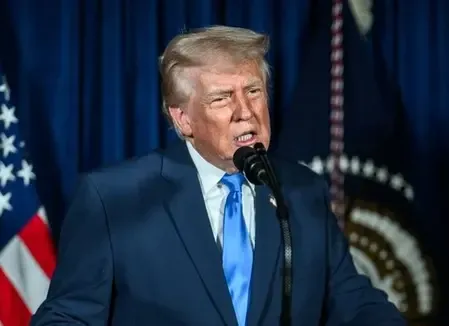
The US has proposed a NATO Article Four and Five-style security guarantee for Ukraine , subject to President Trump’s approval.
Sanctions could serve as an enforcement tool, with snap-back provisions if Russia violates a final deal.
No deadline for a final agreement or a Trump -led leaders’ summit has been set; officials described the mood as ‘cautiously optimistic.’
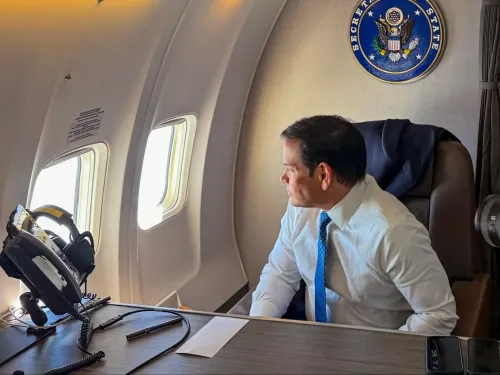
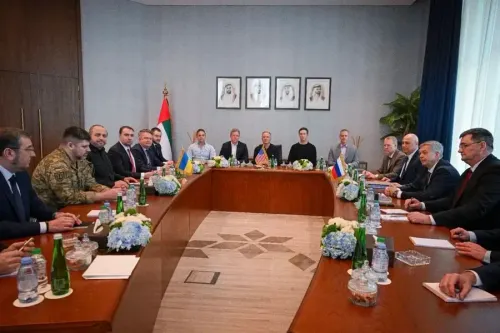
The United States launched trilateral talks with Russia and Ukraine in Abu Dhabi on Tuesday, 11 November 2026, aiming to restart a broader peace process that links any territorial settlement to binding security guarantees designed to prevent a renewed conflict. The talks mark one of the most structured diplomatic engagements since Russia's full-scale invasion of Ukraine in February 2022.
What the Abu Dhabi Talks Cover
US officials said the negotiations would be divided into two sessions: the first focusing on ceasefire monitoring and post-war security arrangements, and the second addressing territorial disputes and other unresolved questions. Officials cautioned that the most contentious issues were unlikely to be settled during this round. “So, we don’t expect to resolve these questions in Abu Dhabi, but we want to get that process started again,” a senior US official said during a background briefing on Monday.
American negotiators regard territorial decisions and post-war security as inseparable, expecting the two tracks to advance simultaneously. Proposals on the table reportedly include crisis communications channels, military transparency measures, and reciprocal steps to ease tensions — all aimed at ensuring neither side could exploit a ceasefire to rearm.
Europe’s Role and the Expanded Format
Washington has pushed to widen the current three-country format to include key European partners. Representatives from Germany, France, Britain, and Italy, alongside NATO, Ukraine, and the European Union, were expected to consult ahead of the trilateral sessions to align on security guarantees. According to officials, both Ukraine and European governments support the expanded format; Russia’s agreement to that expansion has not yet been secured.
Notably, US-Russia-Ukraine contacts have reportedly become daily — sometimes occurring several times a day — reflecting a significant acceleration in diplomatic tempo compared with earlier phases of the conflict.
Security Guarantees and the NATO Question
Washington has raised with Moscow the possibility of extending Ukraine a security guarantee modelled on NATO’s Article Four and Article Five provisions, alongside a parallel commitment from the alliance itself. Any such American guarantee would require approval from President Donald Trump. Officials indicated that resources, funding, and military support could form part of a final deal, though no concrete commitment was announced. Trump has reportedly made clear he expects Europe to bear the primary financial burden of underwriting Ukraine’s long-term security.
The US also signalled interest in reactivating the NATO-Russia Council as a standing channel for de-escalation and future conflict management — a body that had been largely dormant since the 2022 invasion.
Territorial Positions and Room for Flexibility
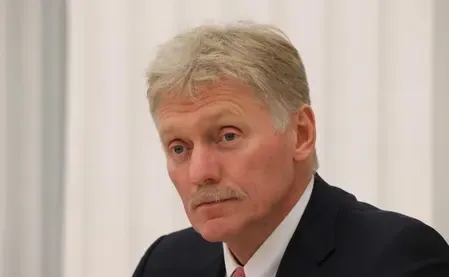
Russia’s stated public position is to seek full control of Donetsk, the contested eastern Ukrainian region, according to the US briefing. Ukraine, by contrast, favours using the current contact line as the basis for any territorial demarcation. Officials noted, however, that both sides had privately shown “some flexibility,” without detailing possible concessions. Neither Moscow nor Kyiv presented its position directly during the briefing; the assessments came from the US side.
Sanctions, Recovery, and What Comes Next
Washington has also floated the use of sanctions as an enforcement mechanism — structured so that restrictions could snap back if Russia violated a final agreement. No detailed sanctions framework was presented. Separately, a parallel track involving Ukraine, the US, and European partners is examining military needs, affordable defence spending, and economic recovery, with the World Bank reportedly leading reform work tied to reconstruction.
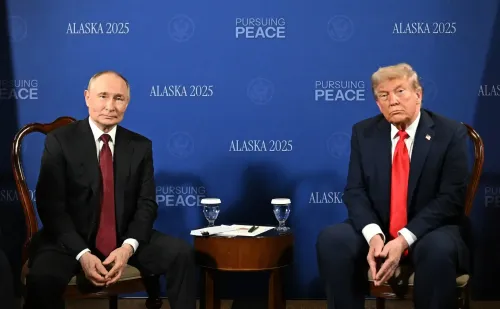
Officials set no deadline for a final agreement, nor for a summit between Trump and the Russian and Ukrainian leaders. “But I do say that we are now cautiously optimistic. We see very promising signs,” the official said. Russia’s conflict with Ukraine widened dramatically in February 2022, though its roots trace to 2014, when Moscow seized and annexed Crimea and fighting erupted in eastern Ukraine. How far Abu Dhabi moves the needle on the war’s hardest questions will become clearer in the days following the talks.
Point of View
Not a breakthrough; officials were careful to lower expectations before the first session even began. The bigger test is whether Trump will back a NATO-style guarantee for Ukraine, since without that anchor any territorial deal is a ceasefire in name only. Europe’s financial burden-sharing demand from Washington further complicates allied cohesion at the precise moment unity matters most.
NationPress
10 Nov 2026
Frequently Asked Questions
What are the US-Russia-Ukraine talks in Abu Dhabi about?
The talks, which opened on 11 November 2026 in Abu Dhabi, are aimed at restarting a structured peace process covering ceasefire monitoring, territorial disputes, and post-war security guarantees. US officials said the goal is to clarify each side’s position and identify gaps, not to reach a final settlement at this stage.
What security guarantees is the US offering Ukraine?
Washington has proposed extending Ukraine a security guarantee modelled on NATO’s Article Four and Article Five provisions, alongside a parallel commitment from NATO itself. Any such guarantee would require approval from President Donald Trump, and no formal commitment has been announced.
What are Russia and Ukraine’s territorial positions?
Russia’s public position is to seek full control of Donetsk in eastern Ukraine, while Ukraine favours using the existing front-line contact line as the basis for any territorial settlement. US officials noted that both sides have privately shown some flexibility, without specifying possible concessions.
Will European countries be part of the peace talks?
Washington wants to expand the format to include Germany, France, Britain, Italy, NATO, Ukraine, and the EU. Ukraine and European governments support the broader format, but Russia has not yet agreed to their inclusion.
How could sanctions factor into a peace deal?
The US has raised the possibility of using sanctions as an enforcement mechanism, structured with snap-back provisions that would reimpose restrictions if Russia violated a final agreement. No detailed sanctions framework has been presented, and the idea remains under discussion.