Abu Dhabi Russia-US-Ukraine talks set for November in trilateral format
Synopsis
The Kremlin has confirmed that Russia-US-Ukraine peace talks will be held in a trilateral format in Abu Dhabi in November — but notably left the door open to European participation. With Trump pressing Zelensky to settle and Russian diesel flowing to the US again, the diplomatic and economic threads of this conflict are converging fast.
Key Takeaways
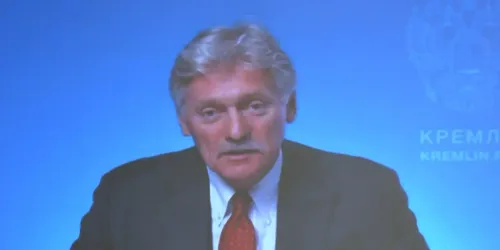
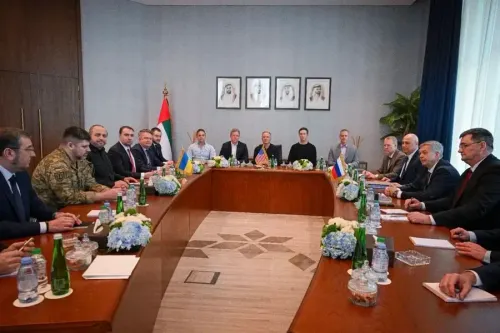
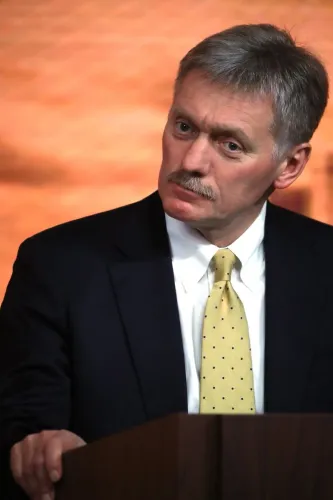
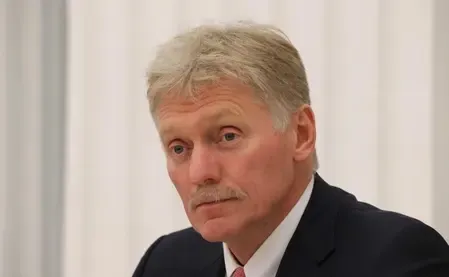
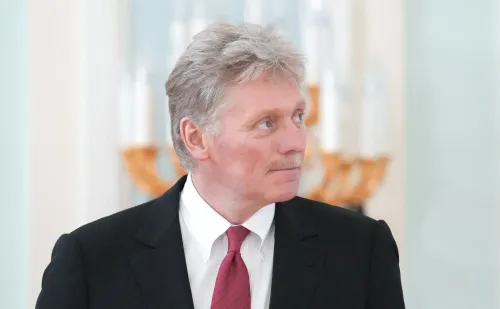
Kremlin spokesperson Dmitry Peskov confirmed the Russia-US-Ukraine talks will be held in a trilateral format in Abu Dhabi in the first half of November .
Peskov said European participation is 'not ruled out a priori' but is not part of the current format.
Talks are expected to focus on security guarantees for Russia and Ukraine post-peace deal.
The first tanker of Russian diesel fuel has already departed for the United States , with regular shipments to follow.
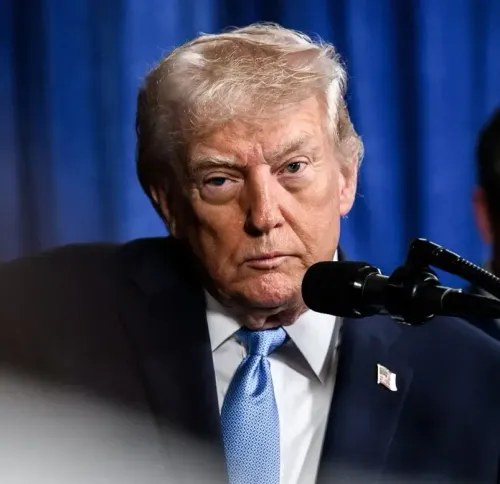
US President Donald Trump warned President Zelensky that delaying peace could leave Ukraine in a worse position as Russia gains territory.
The Kremlin confirmed on Friday, 23 October 2026, that the upcoming peace talks between Russia, the United States, and Ukraine, scheduled for the first half of November in Abu Dhabi, will proceed in a trilateral format — while explicitly declining to rule out eventual European participation.
What the Kremlin Said
Kremlin spokesperson Dmitry Peskov addressed reporters during a media briefing, stating: 'Nothing can be ruled out a priori. But these negotiations we're discussing, scheduled for the first half of November in Abu Dhabi, will be in a trilateral format.' Peskov made the remark in direct response to a question about whether the talks could expand into a four-party format involving Europe.
According to reports citing Russian state media, the discussions are expected to centre on security guarantees for both Russia and Ukraine once a peace agreement is reached — an agenda that, analysts note, could naturally draw in European stakeholders given the continent's own security architecture.
Russian Diesel Shipments to the US Resume
In a separate but notable development from the same briefing, Peskov confirmed that the first tanker carrying Russian diesel fuel had already departed for the United States, with further regular shipments to follow. 'I believe there have already been reports from the Ministry of Energy that the first tanker has already departed for its intended destination, its buyers. From now on, they will continue rhythmically,' he said. The resumption of energy trade between Moscow and Washington adds an economic dimension to a diplomatic relationship that remains fraught.
Trump Presses Zelensky to Settle
The Kremlin's announcement comes against the backdrop of sharpening pressure from US President Donald Trump on Ukrainian President Volodymyr Zelensky. Speaking in the Oval Office alongside Vice President J D Vance, Trump warned that delaying a peace agreement could leave Ukraine in an increasingly difficult position, arguing that Russia was steadily gaining territory and that Kyiv might no longer be able to secure the terms that were available earlier in the conflict.
Trump cited Russia's larger population as a significant advantage in sustaining a prolonged war, and noted that both sides had suffered enormous casualties, but maintained that Ukraine faced greater demographic constraints. 'Ukraine has to want to settle this war. Zelensky has to want to settle this war. And if he doesn't, I think it's going to be a very bad thing,' Trump said. He argued that Zelensky had an opportunity to negotiate more favourable terms during earlier discussions with Washington.
Europe's Role: Open Question
Peskov's careful phrasing — acknowledging European participation is not ruled out while insisting the format remains trilateral — reflects the diplomatic complexity surrounding the talks. European capitals have long insisted they cannot be excluded from any security arrangement on the continent, and the choice of Abu Dhabi as a venue underscores the role of UAE as a neutral broker in the conflict. This is not the first time the Gulf state has served as a back-channel location; Abu Dhabi hosted prisoner exchange discussions in earlier phases of the war.
What Comes Next
With the talks tentatively set for the first half of November, the coming weeks will determine whether Europe secures a formal seat at the table or remains a stakeholder on the margins of a process with direct consequences for its security. Any framework that emerges on security guarantees will carry implications for NATO's eastern flank and the broader post-war order in Europe.
Point of View
Moscow retains maximum negotiating leverage — any European entry would shift the balance. Trump's Oval Office remarks to Zelensky, meanwhile, read less as encouragement and more as a deadline: settle now or settle worse. The resumption of Russian diesel exports to the US in the same week as these announcements is not incidental — it signals that Washington and Moscow are rebuilding transactional ties even as the war continues. European capitals watching from the sidelines have reason to be alarmed: a Russia-US-Ukraine deal that does not include them could lock in a security architecture that Europe had no hand in designing.
NationPress
23 Oct 2026
Frequently Asked Questions
What is the format of the Abu Dhabi talks between Russia, the US, and Ukraine?
The talks, scheduled for the first half of November in Abu Dhabi, will be held in a trilateral format involving Russia, the United States, and Ukraine, according to Kremlin spokesperson Dmitry Peskov. Peskov added that European participation cannot be ruled out but is not part of the current arrangement.
What will the Abu Dhabi talks focus on?
The discussions are expected to centre on security guarantees for both Russia and Ukraine once a peace deal is reached, according to reports citing Russian state media. This agenda could also bring Europe's broader security arrangements into the conversation.
Why is Europe not included in the Abu Dhabi talks?
Kremlin spokesperson Dmitry Peskov confirmed the talks are in a trilateral format but stopped short of permanently excluding Europe, saying 'nothing can be ruled out a priori.' European capitals have argued they cannot be sidelined from any continental security settlement.
What did Trump say to Zelensky about the peace process?
US President Donald Trump warned Ukrainian President Volodymyr Zelensky that delaying a peace agreement could leave Ukraine in an increasingly difficult position, citing Russia's territorial gains and demographic advantages. Trump said, 'Ukraine has to want to settle this war. And if he doesn't, I think it's going to be a very bad thing.'
What is the significance of Russian diesel shipments to the United States?
Kremlin spokesperson Peskov confirmed the first tanker of Russian diesel fuel has already departed for the United States, with regular shipments to follow. The development signals a resumption of energy trade between Moscow and Washington, adding an economic dimension to their fraught diplomatic relationship.