Kremlin: US sanctions on Russia block Ukraine peace, not revive it
Synopsis
While Washington tightened the screws on Russia's energy and defence sectors, Moscow dismissed the move as irrelevant to peace — and Kyiv signalled a potentially historic Trump-Zelensky meeting in New York. Two sharply diverging narratives on the same day lay bare just how contested and fragile any Ukraine peace process remains.
Key Takeaways
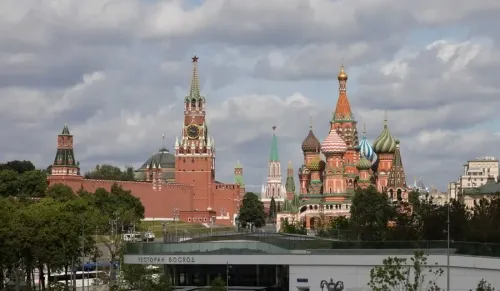
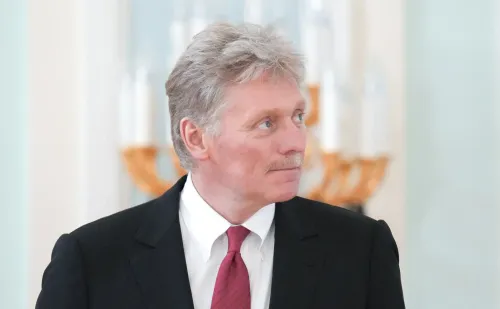
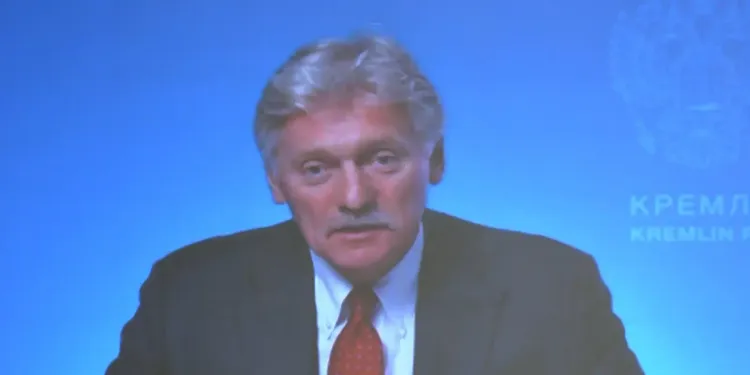
Kremlin spokesperson Dmitry Peskov said on 21 September 2026 that new US sanctions will not restore US-Russia ties or advance Ukraine peace.
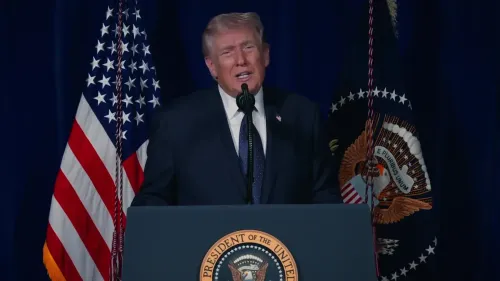
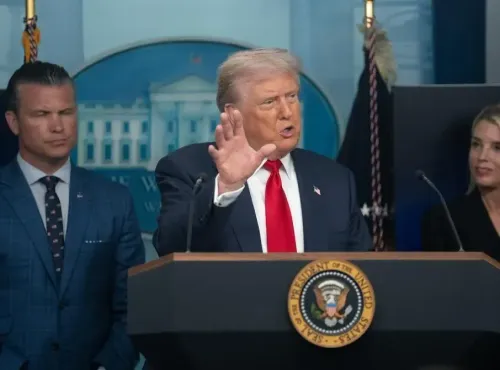
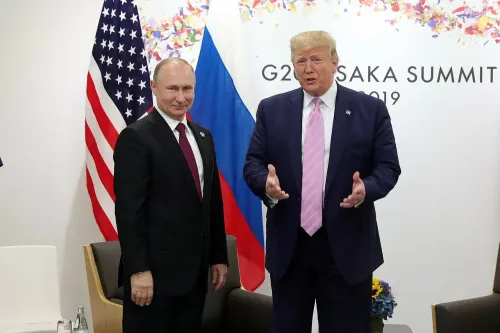
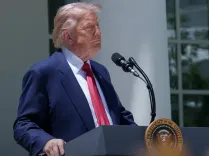
US President Donald Trump signed the Russia sanctions bill into law on Friday , targeting Russia's energy , defence sectors, and 'shadow fleet' of tankers.
Peskov said Russia has 'largely adapted' to sanctions and that key trading partners oppose such restrictions.
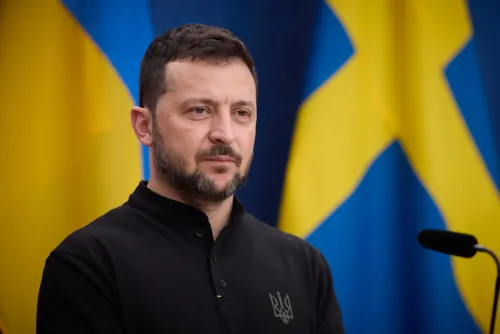
Ukrainian President Volodymyr Zelensky said he and Trump agreed to meet in New York , calling it a moment of 'diplomatic momentum.' Zelensky cited energy security , food security , and protection of human life as priorities under discussion, but gave no dates or specific proposals.
Kremlin spokesperson Dmitry Peskov said on Monday, 21 September 2026 that new US sanctions targeting Russia's oil, gas, and defence sectors will neither restore relations between Moscow and Washington nor bring an end to the war in Ukraine. The remarks came days after US President Donald Trump signed the Russia sanctions legislation into law on Friday.
What the New Sanctions Target
The legislation signed by President Trump on Friday imposes restrictions on Russia's energy and defence industries, as well as its so-called 'shadow fleet' of tankers used to circumvent earlier export curbs. The measures represent one of the most comprehensive energy-sector actions taken against Moscow since the start of the conflict.
Peskov, however, downplayed their potential effect, saying Russia has 'largely adapted' to sanctions and found ways to minimise their impact. He also noted that several of Russia's key trading partners oppose such unilateral restrictions — a reference widely understood to include China and India, both of which have continued purchasing discounted Russian crude.
Zelensky-Trump Meeting on the Horizon
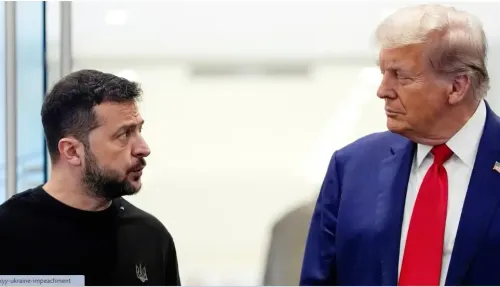
On the same day as Moscow's pushback, Ukrainian President Volodymyr Zelensky disclosed that he and President Trump had agreed to meet in New York, describing the prospective talks as potentially transformative. 'We agreed to meet in New York, and this meeting could change a lot. There is diplomatic momentum,' Zelensky said in a post on X following a phone call with Trump.
Zelensky stopped short of announcing a date for the meeting or specifying what the two leaders hoped to formally agree. He described the conversation as 'important' and said it had covered 'substantial ground,' placing peace negotiations at the centre of Ukraine's engagement with the American side.
Ukraine's Priorities: Energy, Food, Human Life
'The peace track is our number one priority,' Zelensky said. The Ukrainian president identified energy security, food security, and the protection of human life as issues being considered alongside possible de-escalation measures. 'There are ideas for de-escalation steps and for addressing fundamental security issues — energy security, food security, and the protection of human life,' he added, without elaborating on specific proposals or implementation timelines.
Zelensky also signalled that work with US officials was ongoing and that Ukraine was prepared to take 'serious steps towards peace' in coordination with the American team.
Two Diverging Narratives
The contrasting signals from Moscow and Kyiv on the same day underscore the fragile and deeply contested nature of any prospective peace process. While Ukraine is projecting openness to diplomacy, Russia is framing the latest round of US economic pressure as counterproductive — a posture that critics argue is designed to buy time and deflect accountability for the prolonged conflict. Notably, the Kremlin's swift rejection of the sanctions' peace-building potential came even before any formal negotiations have been announced.
With a potential Trump-Zelensky meeting in New York on the horizon, the next few days could prove pivotal for the shape of any ceasefire or peace framework — though significant gaps in position, trust, and verification remain.
Point of View
A combination that has historically produced mixed results. Zelensky's careful public optimism about 'diplomatic momentum' is calibrated messaging: he needs to keep Washington engaged without raising expectations so high that a stalled meeting becomes a political setback. The real question mainstream coverage underplays is whether the sanctions' energy provisions have enough bite on Russia's shadow fleet to shift Moscow's calculus — or whether, as Peskov claims, workarounds are already in place.
NationPress
22 Sept 2026
Frequently Asked Questions
Why did the Kremlin reject the new US sanctions on Russia?
Kremlin spokesperson Dmitry Peskov said the sanctions on Russia's oil, gas, and defence sectors would neither restore US-Russia relations nor advance peace in Ukraine. He argued that Russia had already largely adapted to such measures and that Moscow's key trading partners opposed them.
What do the new US sanctions on Russia cover?
The legislation signed by President Trump targets Russia's energy and defence industries, as well as its 'shadow fleet' of tankers used to bypass earlier export restrictions. It is one of the most sweeping energy-sector measures taken against Moscow since the conflict began.
What did Zelensky say about a potential meeting with Trump?
Ukrainian President Volodymyr Zelensky said he and President Trump had agreed to meet in New York following a phone call, describing the prospect as potentially transformative. He said there was 'diplomatic momentum' but did not announce a date or a formal agenda.
What are Ukraine's stated priorities in the peace process?
Zelensky identified energy security, food security, and the protection of human life as the core issues under discussion alongside possible de-escalation steps. He did not outline specific proposals or set a timetable for implementing any measures.
How does the Kremlin's stance affect prospects for a Ukraine ceasefire?
Moscow's public dismissal of the sanctions as counterproductive to peace signals that Russia is not currently under pressure to accelerate negotiations. Analysts note this posture, combined with the absence of a fixed Trump-Zelensky meeting date, leaves the peace process at an early and uncertain stage.