Zelensky slams Trump-Russia diesel deal as 'weak decision by strong partners'
Synopsis
As Ukrainian negotiators sat in Florida discussing a potential ceasefire, Trump announced a diesel supply deal with Putin — and Zelensky called it a 'weak decision by strong partners.' The US Treasury simultaneously eased sanctions on Russian diesel exports, raising urgent questions about whether Western economic pressure on Moscow is fracturing at the worst possible moment.
Key Takeaways
Zelensky condemned Trump 's diesel agreement with Putin as a 'weak decision by strong partners' in an X post on 10 October 2026 .
Trump announced Russia will supply over 300,000 tonnes of diesel immediately, 500,000 tonnes in November , and 1,000,000 tonnes thereafter.
The US Treasury Department issued a temporary sanctions waiver to facilitate Russian diesel exports.
A Ukrainian delegation was simultaneously in Florida holding ceasefire talks with US envoys Steve Witkoff and Jared Kushner .
Zelensky suggested the Ukrainian delegation's presence may have served as a 'smokescreen' for the Washington - Moscow deal.
Kyiv argues diesel export revenue will directly fund Russia 's continued military campaign against Ukraine .
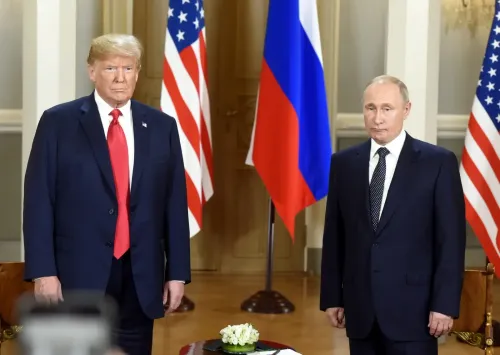
Ukrainian President Volodymyr Zelensky on 10 October 2026 sharply criticised US President Donald Trump's agreement permitting Russia to supply diesel fuel to the United States and global markets, warning that the arrangement would funnel additional revenue into Moscow's war machine and undermine peace efforts already under way.
Zelensky's Blunt Rebuke
In a lengthy post on social media platform X, Zelensky argued that allowing Russia to generate income through petroleum product exports would reinforce the Kremlin's capacity to sustain military operations rather than incentivise an end to the conflict. 'Gifts to Putin will not bring peace or any benefit to the civilised world,' he wrote. 'Russia will repay the diesel with further terror and perfidy. Allowing Russia to sell petroleum products is an investment in a war that must be ended, not prolonged,' he added. Describing the move as a 'weak decision by strong partners,' Zelensky stressed that the revenue would translate directly into prolonged suffering for Ukraine. 'Means more money for this war, more money to inflict suffering on us, without a doubt,' he said. 'It only feeds Putin and gives him the ability to fight even more.'
What Trump Announced
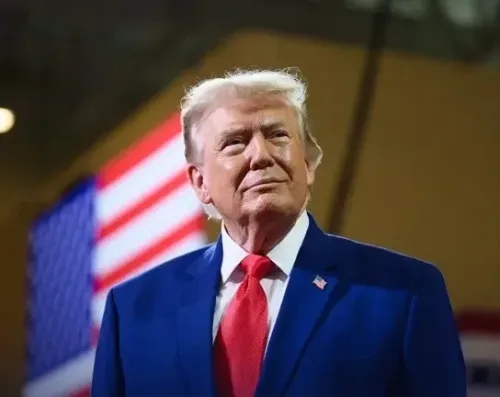
Trump on Friday announced what he described as a 'highly successful discussion' with Russian President Vladimir Putin, under which Moscow agreed to supply over 300,000 tonnes of diesel immediately to American and global markets, an additional 500,000 tonnes during November, and 1,000,000 tonnes thereafter. The announcement was made via a post on Truth Social. Separately, the US Treasury Department issued a temporary licence easing sanctions on Russian diesel exports, formally enabling the supply arrangement.
The Diplomatic Timing
The announcement came at a particularly sensitive moment: a Ukrainian negotiating delegation was simultaneously present in Florida for two days of discussions with US envoys Steve Witkoff and Jared Kushner. Those talks were focused on potential arrangements to end the war, including a proposed ceasefire that would halt attacks on energy infrastructure. Zelensky questioned whether the Ukrainian delegation's presence in Florida had served as a 'smokescreen' for the deal being concluded between Washington and Moscow. Speaking to reporters, he drew a sharp contrast between Ukrainian and American officials discussing ways to stop the fighting on one hand, and Trump simultaneously engaging Putin — whom Zelensky described as 'the leader of this war' — on the other.
Why It Matters
This comes amid broader international debate over the economic leverage available to pressure Russia to negotiate seriously. Western sanctions on Russian energy exports have been a central pillar of that strategy since the full-scale invasion began. A US Treasury waiver on Russian diesel sanctions — even a temporary one — is a significant departure from that framework, and critics argue it risks legitimising Russian energy revenues at a moment when ceasefire talks remain fragile. Notably, energy infrastructure has been a recurring flashpoint in the conflict, with both sides trading strikes on power grids and fuel facilities.
What Comes Next
The Ukrainian delegation's discussions with US envoys are continuing, though Kyiv's confidence in the negotiating environment appears shaken. European allies, who have maintained stricter energy sanctions postures, are expected to respond to the US Treasury waiver. The scale of the proposed diesel transfers — potentially exceeding 1.8 million tonnes in the near term — means the arrangement could meaningfully ease Russia's export revenue constraints if sustained.
Point of View
Who have held a harder line on Russian energy, now face awkward questions about coalition coherence. And for Zelensky, the credibility problem is acute: if Washington is simultaneously negotiating with Kyiv and cutting deals with Moscow, what exactly is Ukraine negotiating from?
NationPress
10 Oct 2026
Frequently Asked Questions
What did Trump agree with Putin in the diesel deal?
Trump announced that Russia would supply over 300,000 tonnes of diesel to American and global markets immediately, a further 500,000 tonnes in November, and 1,000,000 tonnes thereafter. The US Treasury Department simultaneously issued a temporary licence easing sanctions on Russian diesel exports to facilitate the arrangement.
Why did Zelensky criticise the Trump-Russia diesel agreement?
Zelensky argued the deal would provide Moscow with additional revenue to fund its military campaign against Ukraine, directly contradicting efforts to pressure Russia into a ceasefire. He described it as a 'weak decision by strong partners' and said it 'feeds Putin and gives him the ability to fight even more.'
What were Ukrainian officials doing when Trump announced the diesel deal?
A Ukrainian negotiating delegation was in Florida for two days of ceasefire and peace talks with US envoys Steve Witkoff and Jared Kushner at the time of the announcement. Zelensky suggested the Ukrainian team's presence may have been used as a 'smokescreen' for the deal concluded between Washington and Moscow.
What is the significance of the US Treasury sanctions waiver on Russian diesel?
The waiver temporarily eases existing sanctions on Russian diesel exports, enabling the proposed supply arrangement. Critics argue it partially undermines the West's economic pressure strategy on Russia, which has relied heavily on restricting Moscow's energy export revenues since the full-scale invasion of Ukraine began.
What happens next in Ukraine-US peace negotiations?
The Ukrainian delegation's discussions with US envoys are ongoing, though Zelensky's remarks indicate Kyiv's confidence in the process has been shaken. European allies are expected to respond to the US Treasury waiver, and the durability of the ceasefire proposal — which included halting attacks on energy infrastructure — remains uncertain.