Putin warns Ukraine's provocations will worsen situation as Zelensky eyes Trump meet
Synopsis
Putin issued a stark warning to Kyiv on Friday, insisting no escalation would deliver Ukraine its desired outcome — even as Zelensky announced a potential meeting with Trump in New York that he described as potentially 'changing a lot.' The simultaneous hardening of Russia's military rhetoric and opening of a US-Ukraine diplomatic channel captures the contradictory forces shaping this conflict's next phase.
Key Takeaways
Vladimir Putin warned on 26 September that Ukraine's 'provocative acts' would only worsen Kyiv's situation, not deliver its objectives.
Putin claimed Russia's military responses had pushed Ukraine to seek ceasefire arrangements covering energy facilities and airstrikes.
Russia says Ukraine damaged more than 100 vessels in the Black Sea — a claim not independently verified.
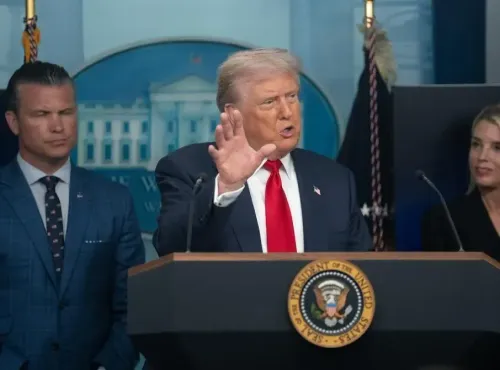
US President Donald Trump signed a Russia sanctions bill targeting Moscow's energy, defence industries, and its 'shadow fleet' of tankers.
Kremlin spokesperson Dmitry Peskov said Russia has 'largely adapted' to sanctions and minimised their impact.
Zelensky confirmed a planned meeting with Trump in New York , calling it a moment of 'diplomatic momentum' for Ukraine.
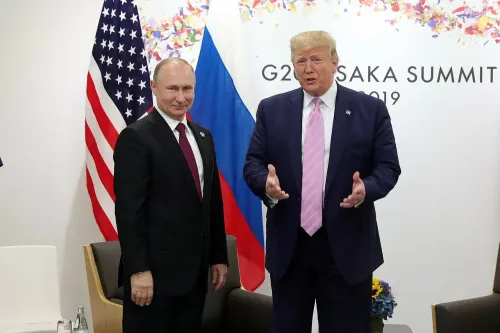
Russian President Vladimir Putin on Friday, 26 September warned that escalatory actions by Kyiv would not yield the results Ukraine sought and would instead deepen the conflict. The remarks came as diplomatic signals from the Ukrainian side — including a reported agreement for President Volodymyr Zelensky to meet US President Donald Trump in New York — added a rare note of potential momentum to an otherwise hardening standoff.
Putin's Warning at the Press Briefing
'They must understand that no provocative acts or escalation of tensions will deliver the outcome they seek. Such moves will only make the situation worse for them,' Putin said at a press briefing in Moscow on Friday. The Russian president argued that Ukraine had already been compelled to seek ceasefire arrangements in several domains — including halts to attacks on energy infrastructure and an end to airstrikes — precisely because of Russia's military responses.
Putin also accused Ukraine of attempting to impose a naval blockade and of striking storage facilities and civilian infrastructure. According to Russian assessments, Ukraine had damaged more than 100 vessels in the Black Sea, he said — a claim that could not be independently verified.
Sanctions Front: Russia Pushes Back
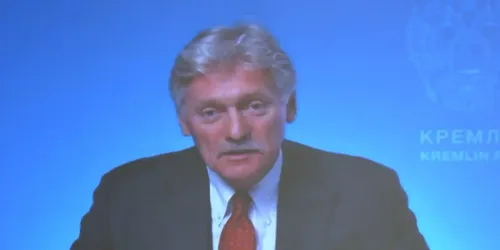
The exchange comes weeks after US President Donald Trump signed a Russia sanctions bill into law, targeting Moscow's energy and defence industries as well as its so-called 'shadow fleet' of tankers used to circumvent export restrictions. Kremlin spokesperson Dmitry Peskov said Russia had 'largely adapted' to the sanctions and found ways to minimise their impact, adding that the country's trading partners broadly oppose such restrictions.
Earlier this month, Moscow publicly stated that sanctions on Russia's oil and gas exports would neither revive relations with the United States nor advance peace with Ukraine — a signal that the Kremlin views economic pressure as insufficient leverage.
Zelensky Signals Diplomatic Momentum
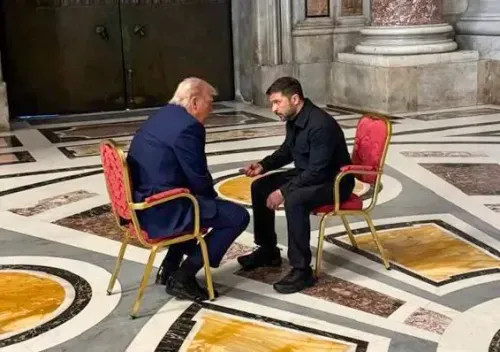
Against this backdrop of hardened Russian rhetoric, Ukrainian President Volodymyr Zelensky said earlier on Friday that Trump had agreed to meet him in New York. 'We agreed to meet in New York, and this meeting could change a lot. There is diplomatic momentum,' Zelensky said in a post on X following a conversation with Trump. Zelensky added that Ukraine was prepared to take 'serious steps towards peace' in coordination with the American team.
The potential Trump-Zelensky meeting, if confirmed, would mark a significant point of engagement between Washington and Kyiv, particularly given ongoing debates within the US administration over the scope and duration of its support for Ukraine.
What the Escalation Pattern Suggests
This is not the first time Putin has publicly warned Kyiv against escalatory moves; similar language has accompanied multiple phases of the conflict. Notably, Russia's simultaneous insistence that it has adapted to sanctions — while Kyiv signals openness to peace talks — reflects a dual-track dynamic: Moscow hardening its military and economic posture even as diplomatic channels re-open. How the Trump-Zelensky meeting shapes US policy in the weeks ahead could determine whether the current diplomatic momentum translates into tangible ceasefire progress or dissipates amid competing demands.
Point of View
Yet framed around Ukraine's alleged overreach rather than outright maximalist demands — a posture designed to hold the domestic narrative while leaving diplomatic corridors technically open. The real variable is Washington. Trump signing the sanctions bill while simultaneously agreeing to meet Zelensky in New York suggests the US position remains genuinely ambiguous — neither fully committed to Ukraine's war aims nor willing to abandon it. That ambiguity is both Russia's best hope and Kyiv's greatest anxiety as autumn sets in.
NationPress
26 Sept 2026
Frequently Asked Questions
What did Putin say about Ukraine's provocations on 26 September?
Putin said that no provocative acts or escalation of tensions by Ukraine would deliver the outcome Kyiv sought and that such moves would only worsen the situation for Ukraine. He made the remarks at a press briefing in Moscow on Friday, 26 September.
What is the Trump-Zelensky meeting about?
Ukrainian President Zelensky confirmed on Friday that Trump had agreed to meet him in New York, describing it as a moment of 'diplomatic momentum.' Zelensky said Ukraine was ready to take serious steps towards peace in coordination with the American team.
What do the new US sanctions on Russia target?
The sanctions bill signed by President Trump targets Russia's energy and defence industries, as well as its 'shadow fleet' of tankers used to circumvent export restrictions. The Kremlin has said Russia has largely adapted to the measures and minimised their impact.
What has Russia said about ceasefire talks?
Putin claimed that Russia's military responses had prompted Kyiv to seek ceasefire arrangements covering attacks on energy facilities and airstrikes. However, Moscow has maintained that sanctions and external pressure will not lead to peace or restore relations with the US.
What is Russia's position on its Black Sea military actions?
Putin accused Ukraine of attempting to impose a naval blockade and of striking storage and civilian infrastructure. According to Russian assessments, Ukraine had damaged more than 100 vessels in the Black Sea — a figure that has not been independently verified.