Smriti Irani Hails India's 100th Chess Grandmaster Milestone
Synopsis
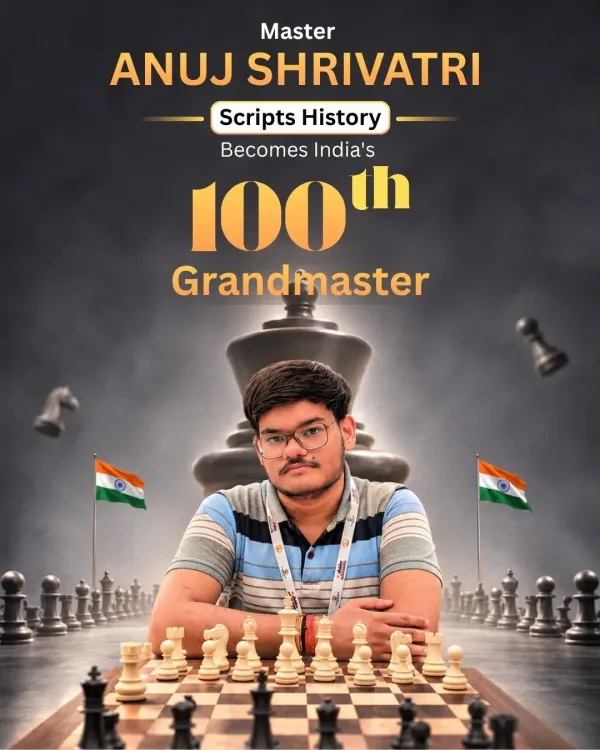
BJP leader Smriti Irani celebrated India reaching 100 chess Grandmasters, congratulating Anuj Shrivatri on becoming the landmark 100th title-holder. The milestone caps a journey that began with Viswanathan Anand in 1988 and reflects decades of expanding coaching, online platforms, and international competition.
Key Takeaways
Anuj Shrivatri has been named India's 100th chess Grandmaster , a historic first for the country.
BJP leader Smriti Irani congratulated Shrivatri on 10 November 2026 , calling the milestone proof of India's 'intellectual mettle and discipline.' India's Grandmaster journey began with Viswanathan Anand in 1988 — the country has gone from one to one hundred over nearly four decades.
Growth in Indian chess has been driven by wider coaching access, online training platforms, and an expanding FIDE-rated tournament calendar.
India's Grandmaster count has accelerated sharply in recent years, outpacing the cumulative growth of the previous three decades.
The milestone is seen as a foundation for mentoring the next generation and deepening India's presence in global chess competition.
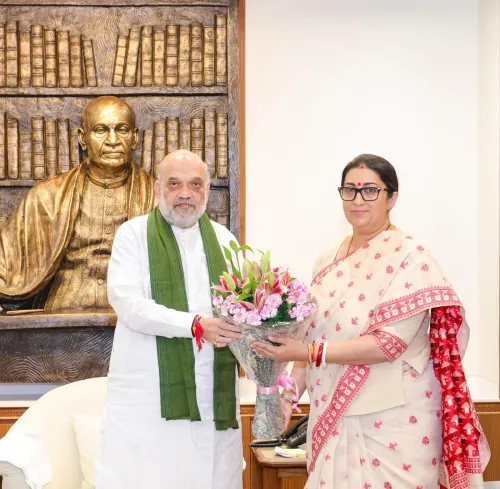
One hundred Grandmasters. A number that began with a single man — Viswanathan Anand — earning his title in 1988, and has now swelled into a movement that spans every corner of the country. BJP leader Smriti Irani marked the landmark on Tuesday, 10 November 2026, congratulating Anuj Shrivatri on becoming India's 100th chess Grandmaster — a feat she called proof of the nation's 'intellectual mettle, discipline, and unyielding drive for excellence.'
From Anand's lone title to a century of Grandmasters
When Viswanathan Anand crossed the Grandmaster threshold in 1988, he stood alone — a pioneer in a country where chess had deep classical roots but precious few pathways to elite international competition. The journey from one to one hundred has taken nearly four decades, and it did not happen by accident. Wider access to structured coaching, the explosion of online training platforms, and a rising calendar of FIDE-rated domestic tournaments steadily compressed the time it takes for Indian prodigies to rack up the norms and rating points required for the title.
The Chess Olympiad has served as a recurring stage for this transformation. Indian teams — both open and women's — have used the event to demonstrate that the country's depth of talent now rivals traditional chess powerhouses. Each medal, each strong individual performance, pulled more young players toward the game and more sponsors and state academies toward the sport.
Anuj Shrivatri's place in the record books
Anuj Shrivatri's achievement carries symbolic weight beyond the personal. The 100th Grandmaster title is a round number, but the significance is structural: India now has a critical mass of elite players capable of mentoring the next generation, anchoring club teams in international leagues, and competing at the highest individual level simultaneously. Irani's post on X framed the milestone exactly this way — not as an endpoint, but as ignition: 'May this historic feat ignite a million young minds to dream fearlessly and lead on the world stage.'
A pipeline that keeps accelerating
What makes the century landmark particularly striking is the pace at which the final titles arrived. India's Grandmaster count grew faster in the last five years than in the preceding three decades combined, a trajectory driven by improved internet infrastructure bringing world-class opening preparation to small towns, and by a generation of players who grew up watching Anand win World Championships as a matter of national routine. The pipeline shows no signs of slowing — FIDE-rated events, the national championship cycle, and league formats continue to identify and accelerate the next wave of titled players.
A century of Grandmasters is a scoreboard. The game, for India, is just getting interesting.
Point of View
Smriti Irani's framing of the milestone as 'intellectual mettle' is deliberate: it ties sporting achievement to national character rather than government policy. The deeper story, however, is structural — accelerating title acquisition rates suggest the pipeline is self-reinforcing, not dependent on any single scheme or personality. Policymakers and sports bodies should now ask how to replicate this organic growth model in other mind-sports and STEM-adjacent competitions where India has latent talent but thinner elite pathways.
NationPress
10 Nov 2026
Frequently Asked Questions
Who is India's 100th chess Grandmaster?
Anuj Shrivatri has been recognised as India's 100th chess Grandmaster , as celebrated by BJP leader Smriti Irani on 10 November 2026 .
Who was India's first chess Grandmaster?
Viswanathan Anand became India's first chess Grandmaster in 1988 , going on to win the World Chess Championship multiple times and inspiring generations of Indian players.
Why does India have so many chess Grandmasters now?
India's Grandmaster count has grown due to expanded access to structured coaching, online training platforms, and a fuller calendar of FIDE -rated domestic and international tournaments, which together help young players accumulate the norms and rating points needed for the title.
What did Smriti Irani say about India's 100th chess Grandmaster?
Smriti Irani posted on X that reaching 100 Grandmasters is 'not merely a milestone, but proof of our nation's intellectual mettle, discipline, and unyielding drive for excellence,' and expressed hope the feat would inspire young Indians to 'dream fearlessly and lead on the world stage.'
How long did it take India to go from 1 to 100 chess Grandmasters?
The journey took nearly four decades , starting with Viswanathan Anand 's title in 1988 and culminating with Anuj Shrivatri 's landmark 100th title in 2026 , with the pace of new titles accelerating significantly in the most recent years.