Smriti Irani Hails India's Women Kabaddi Team's Asian Games Gold
Synopsis
BJP leader Smriti Irani celebrated India's Women's Kabaddi Team winning their fourth Asian Games gold, defeating Iran 37-34 in a closely fought final. The win underlines India's sustained dominance in continental kabaddi, backed by domestic investment through initiatives like Khelo India.
Key Takeaways
Smriti Irani congratulated the Indian Women's Kabaddi Team on X on September 26, 2026 .
India defeated Iran 37–34 to defend their Asian Games kabaddi title.
This is India's fourth Asian Games gold in women's kabaddi, confirming long-term continental dominance.
The team was praised for 'relentless defensive grit and clutch raids' in a tight final.
The Khelo India programme , launched in 2017, has backed traditional sports including kabaddi through grassroots and elite pathways.
India's sustained success reflects investment in state associations and domestic professional league structures.
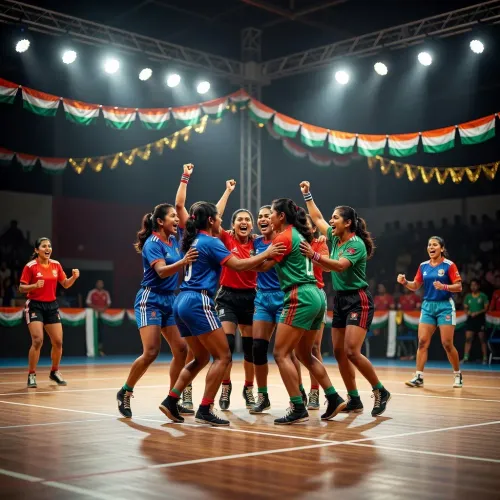
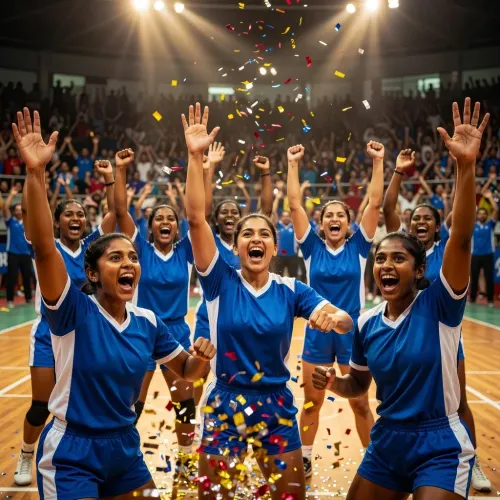
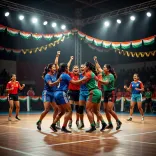
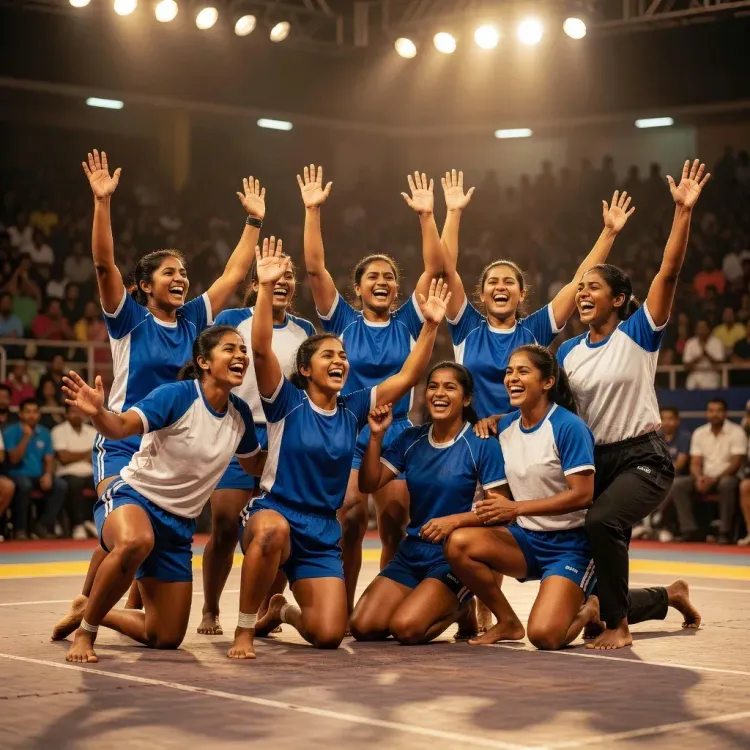
India's women kabaddi team did it again — holding their nerve, raiding at the death, and walking off the mat as Asian Games champions for the fourth time. BJP leader Smriti Irani took to X on Saturday, September 26, 2026, to celebrate the squad's title defence with a rousing tribute after India edged Iran 37–34 in what she described as a 'thrilling' final.
A fourth gold, a dynasty confirmed
Irani's post captured the mood of the nation in one line: 'Gold for Bharat!' — underlining that this was no routine win. Defending a continental title is the hardest ask in team sport; doing it against Iran, a side that has consistently pushed India deep into finals, makes this edition's result all the more resonant. The 37–34 scoreline tells the story of a contest that was never truly settled until the final whistle, with India's 'relentless defensive grit and clutch raids' — in Irani's own framing — proving the difference.
India's women kabaddi programme has built one of the most consistent records in Asian Games history. Across multiple editions of the quadrennial tournament, the team has combined physical dominance with tactical intelligence, making the gold medal something close to an expectation for Indian fans — even as rivals have grown sharper and more organised every cycle.
Khelo India's fingerprints on the mat
That consistency does not emerge in a vacuum. The Khelo India programme, launched in 2017, was explicitly designed to funnel government support into traditional sports — kabaddi foremost among them — by backing grassroots identification, state association infrastructure, and elite training pipelines. The women's team's back-to-back title defences represent the compounding return on that investment, as athletes move from community courts to international finals through an increasingly formalised pathway.
State associations and domestic professional leagues have added another layer of competitive hardening, giving players like those in Saturday's final the match-intensity repetitions that continental showdowns demand. When a tight raid or a do-or-die tackle decides an Asian Games gold medal, those rehearsals matter.
Why this win reaches beyond sport
Women's kabaddi occupies a particular cultural space in India — a contact sport rooted in village traditions, now broadcast across a continent. Every gold amplifies the argument that women's combat and contact sport belongs on the biggest stages. For a generation of girls watching from school common rooms or on phones in rural districts, a fourth Asian Games title is not a statistic; it is a permission slip.
Senior political voices celebrating the result — as Irani did within hours of the final — keep the team's achievement visible in the national conversation, a signal that recognition flows beyond the kabaddi community and into the mainstream.
India's women set the gold standard in Asian kabaddi. The question for rivals across the continent is no longer how to match them — it is whether it is even possible to dislodge them.
Point of View
And women's kabaddi has become its most visible proof of concept. Senior politicians amplifying the result within hours of the final signal that the government sees sport-as-soft-power dividends here. The real policy test is whether the funding pipeline deepens beyond marquee events to sustain depth across the squad for future cycles.
NationPress
26 Sept 2026
Frequently Asked Questions
Did India win gold in women's kabaddi at the 2026 Asian Games?
Yes, the Indian Women's Kabaddi Team won gold at the 2026 Asian Games, defeating Iran 37–34 in the final to defend their title.
How many times has India won Asian Games gold in women's kabaddi?
According to BJP leader Smriti Irani's post, this victory is India's fourth Asian Games gold in women's kabaddi.
What did Smriti Irani say about the women's kabaddi team?
Smriti Irani posted 'Gold for Bharat!' on X and praised the team's 'relentless defensive grit and clutch raids,' saying the victory made the entire nation proud.
What is the Khelo India programme and how does it support kabaddi?
Khelo India is a government initiative launched in 2017 to identify and develop athletes in traditional sports including kabaddi, funding grassroots pathways and state association infrastructure.
Which team did India beat in the 2026 Asian Games women's kabaddi final?
India defeated Iran by a score of 37–34 in the women's kabaddi final at the 2026 Asian Games.