Trump says Putin wants Ukraine peace deal, faults Zelensky for missed talks
Synopsis
Trump publicly declared that Putin ‘strongly’ wants a Ukraine peace settlement — but the Kremlin’s own account of their Friday call shows Putin made no commitment to restart talks. With Trump simultaneously opening Russian diesel exports to US markets over Zelensky’s objections, the gap between Washington and Kyiv is widening even as the White House claims it is pushing for peace.
Key Takeaways
Donald Trump said on 11 October 2026 that Vladimir Putin ‘strongly’ wants a Ukraine peace settlement.
Trump accused Volodymyr Zelensky of repeatedly missing opportunities to negotiate and criticised him for not holding elections during the conflict.
Trump announced that Russia would supply diesel to the United States and global markets, citing fuel shortages linked to the Iran conflict.
Zelensky warned the diesel deal would strengthen Moscow’s ability to fund its military campaign.
Putin’s adviser Yuri Ushakov said the Russian president did not commit to restarting peace talks with Ukraine.
No ceasefire or peace agreement was announced following the Trump-Putin phone call on Friday .
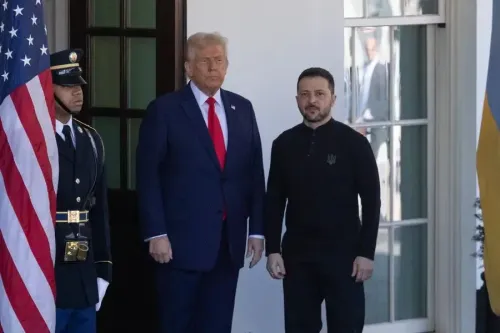
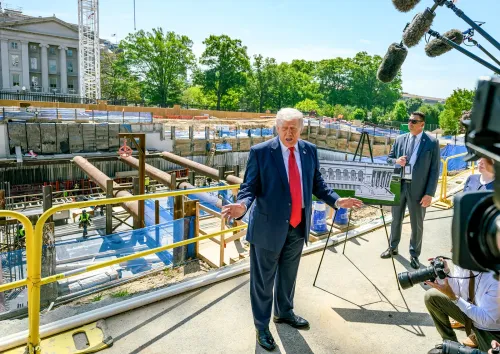
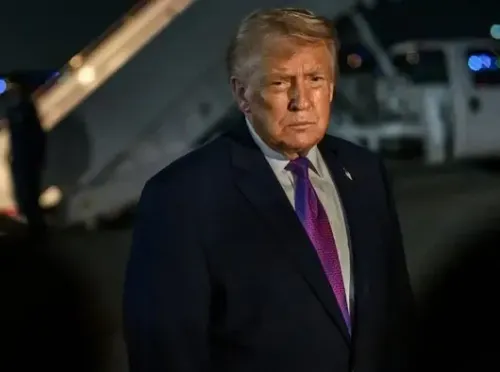
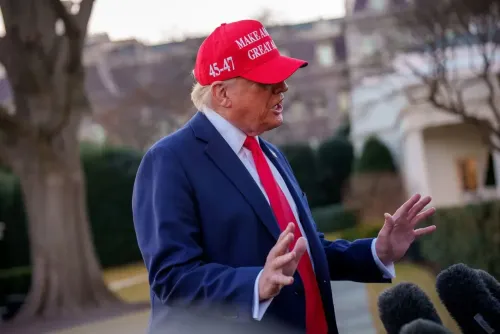
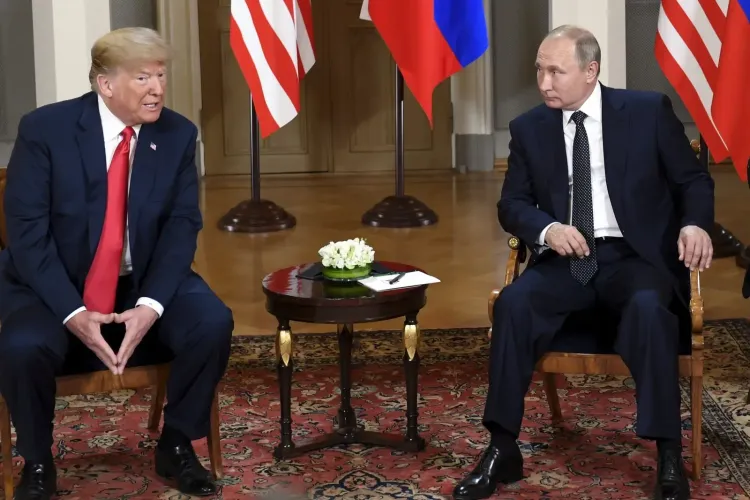
US President Donald Trump on 11 October 2026 said that Russian President Vladimir Putin was keen to reach a settlement to end the war in Ukraine, while squarely accusing Ukrainian President Volodymyr Zelensky of repeatedly passing up opportunities to negotiate peace. The remarks came as Trump spoke to reporters at Joint Base Andrews after returning from a campaign rally in Tennessee.
Trump's Direct Assessment
“I think that Russia would like to make a deal, and we’ve had it back and forth. But Russia would like to make a deal,” Trump told reporters. He went further, adding: “This is something that could have been solved many times, but for whatever reason, Zelensky does not want to make a deal.”
Trump also declared that Putin was motivated to end the conflict, which began with Russia’s full-scale invasion of Ukraine in February 2022. “President Putin would like to see a settlement strongly,” he said.
Backdrop: A Putin Phone Call and a Diesel Deal
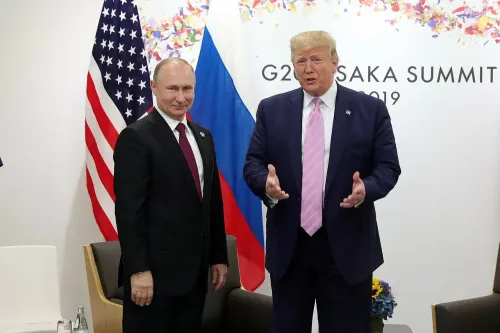
The president’s statements followed a telephone conversation he held with Putin on Friday and arrived amid fresh tension between Washington and Kyiv. That tension was sharpened after Trump announced that Russia would supply diesel to the United States and global markets — a move framed as a response to fuel shortages and rising prices linked to the continuing conflict in Iran.
Zelensky criticised the decision sharply, warning that permitting Russia to generate additional revenue from energy exports would bolster Moscow’s capacity to sustain its military campaign. The episode has added a fresh layer of complication to US diplomatic efforts aimed at ending the Ukraine war.
Zelensky Faulted on Elections and Negotiations
Trump also renewed his criticism of Zelensky for not holding presidential elections during the conflict. “I think he should have an election, and he could have settled this thing many times,” Trump said. He argued that Ukraine would have been in a materially stronger bargaining position had its leadership concluded an agreement two years earlier. “I think it would have been smart if he would have made a deal two years ago. He would have been a lot better off,” Trump said, while pointing to Russia’s numerical military advantage as context.
Kremlin Signals Remain Cautious
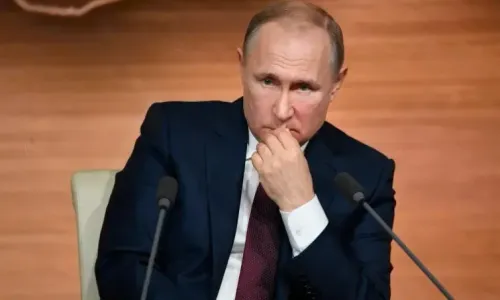
Notably, Trump’s characterisation of Putin’s intentions remains his own — no agreement to end the fighting was announced following the latest conversation between the two leaders. The Kremlin has also signalled that an immediate resumption of peace negotiations remains uncertain. According to an account attributed to Putin’s foreign policy adviser Yuri Ushakov, the Russian president did not commit to restarting talks with Ukraine.
What This Means for the Conflict
The latest exchanges deepen the divergence between Washington and Kyiv over the conditions for ending the war. The Trump administration’s dual track — pursuing diplomatic engagement with Moscow while simultaneously easing energy restrictions that benefit Russia — is drawing scrutiny from Ukraine’s government and its European allies. How this triangular dynamic evolves in the coming weeks will be closely watched by both NATO capitals and markets sensitive to energy prices.
Point of View
Even as his own administration’s decision to ease Russian diesel exports undercuts the sanctions pressure that has been the West’s primary leverage over Moscow. The Kremlin’s own readout — in which Putin made no commitment to resume talks — sits in direct tension with Trump’s public optimism, raising the question of whether Washington is negotiating in good faith or managing a domestic energy-price narrative. Zelensky’s position is structurally weakened: he faces a US president openly questioning his democratic legitimacy while simultaneously relieving economic pressure on his adversary. If this trajectory continues, Kyiv may find itself pressed into terms defined in Washington and Moscow, not Kyiv.
NationPress
11 Oct 2026
Frequently Asked Questions
What did Trump say about Putin and the Ukraine peace deal?
Trump said Putin ‘strongly’ wants a settlement to end the Ukraine war, following a phone call between the two leaders on Friday. He also blamed Ukrainian President Zelensky for repeatedly missing opportunities to negotiate, saying the war ‘could have been solved many times.’
Did Putin agree to restart peace talks with Ukraine?
No. According to an account attributed to Kremlin foreign policy adviser Yuri Ushakov, Putin did not commit to restarting negotiations with Ukraine during his Friday call with Trump. No ceasefire or peace agreement was announced.
Why did Trump announce Russian diesel exports to the US?
Trump announced that Russia would supply diesel to the United States and global markets to ease fuel shortages and rising prices linked to the ongoing conflict in Iran. The move drew sharp criticism from Zelensky, who warned it would bolster Russia’s military funding.
Why is Trump criticising Zelensky over elections?
Trump argued that Zelensky should hold presidential elections during the conflict, suggesting it would strengthen Ukraine’s democratic legitimacy. He also argued Ukraine would have secured a better peace deal had it negotiated two years earlier, when Russia’s military advantage was less pronounced.
What is the significance of the Trump-Zelensky rift for the Ukraine war?
The growing divergence between Washington and Kyiv — over negotiating conditions, energy sanctions, and Ukraine’s democratic process — complicates US diplomatic efforts to end the war. It signals that American support for Ukraine may come with conditions that Kyiv finds difficult to accept, potentially shifting the balance of any future settlement.