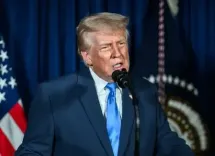
Trump Sits Down With 60 Minutes on Iran, Economy
Synopsis
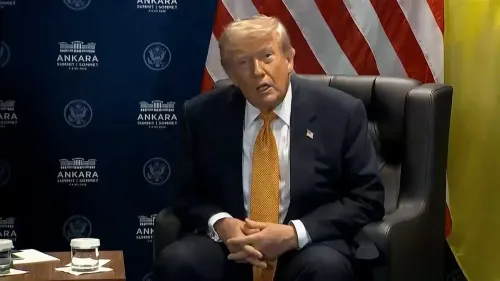
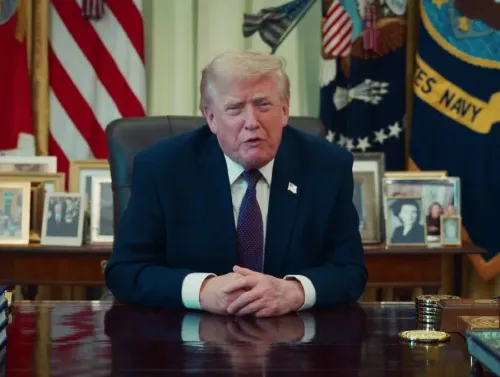
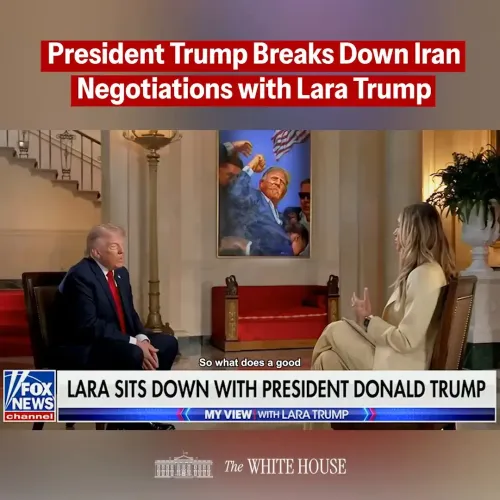
President Trump gave an extended interview to 60 Minutes covering Iran, the US economy, and more. The White House shared key highlights on 9 November 2026, spotlighting foreign policy and domestic economic messaging from the administration.
Key Takeaways
President Trump sat down with 60 Minutes for a wide-ranging interview on 9 November 2026 .
Topics included Iran , the US economy, and several other administration priorities.
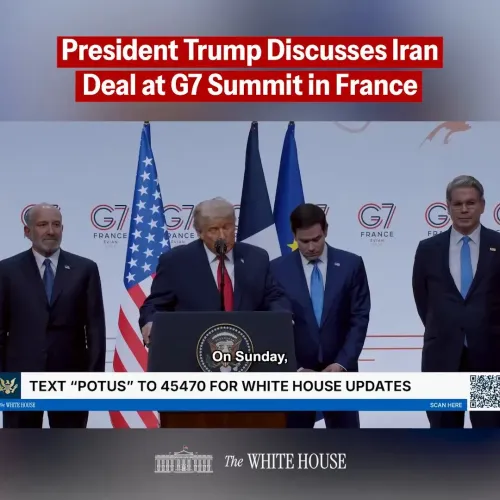
The White House released a curated highlights video on X to amplify key moments from the sit-down.
Iran has been a central US foreign policy flashpoint since the Trump administration withdrew from the JCPOA in 2018 .
Economic performance has been a cornerstone of Trump-era public messaging since his first term, running from 2017 to 2020 .
Analysts are watching for follow-up statements from the State Department and Treasury on Iran-related measures.
In a wide-ranging sit-down that touched on some of the most pressing issues facing the administration, President Donald Trump gave an extended interview to the long-running prime-time programme 60 Minutes, covering Iran, the state of the American economy, and more. The White House shared a highlights reel of the key moments on Monday, 9 November 2026.
Iran back at the centre of the conversation
Iran has been a persistent fault line in US foreign policy, and Trump's remarks on the subject carry weight rooted in a long record of action. His administration withdrew the United States from the Joint Comprehensive Plan of Action — the multilateral nuclear deal — back in 2018, reimposing sweeping sanctions on Tehran. Any signal from the president on Iran's nuclear trajectory or the possibility of renewed negotiations lands with immediate diplomatic consequence, making this portion of the interview among the most closely watched.
Economic messaging and the administration's scorecard
The White House flagged the economy as a central theme of the interview, consistent with a pattern that has defined Trump-era communications since his first term. Throughout 2017–2020, administration messaging leaned heavily on GDP growth figures, unemployment rates, and stock-market performance as proof of policy success — and that playbook has carried into his second tenure. A prime-time network interview remains one of the most direct channels a president has to frame an economic narrative for a broad domestic audience.
Why 60 Minutes still matters
US presidents across administrations have used the programme as a platform to reach voters who do not follow policy through daily briefings or social-media feeds. The long-form format — rare in the current media environment — allows for sustained back-and-forth that press conferences rarely permit. For foreign policy analysts watching Iran and economic observers tracking domestic indicators, the full transcript and any follow-up statements from the State Department or Treasury will be the next documents to scrutinise.
The administration's choice to amplify the interview with a curated highlights video underscores how the White House continues to operate as its own broadcast desk — shaping which moments define the public record before any other framing takes hold.
Point of View
Ensuring the administration's preferred narrative reaches audiences before outside interpretation takes shape. Iran's inclusion signals that the nuclear file remains unresolved and politically useful — a pressure point the administration has never fully stepped away from since the 2018 JCPOA withdrawal. Pairing it with economic messaging is textbook Trump-era framing: project strength abroad, prosperity at home, in a single news cycle. For Indian audiences, any shift in US-Iran posture carries direct implications for energy import costs and regional stability in West Asia.
NationPress
10 Nov 2026
Frequently Asked Questions
What did Trump discuss in his 60 Minutes interview in November 2026?
President Trump discussed Iran, the state of the US economy, and several other administration priorities in a wide-ranging sit-down with 60 Minutes, with the White House releasing a highlights video on 9 November 2026.
Why did the US withdraw from the Iran nuclear deal?
The Trump administration withdrew the United States from the Joint Comprehensive Plan of Action (JCPOA) in 2018, arguing the deal was insufficient in curbing Iran's nuclear ambitions and broader regional behaviour.
What is 60 Minutes and why do presidents give interviews to it?
60 Minutes is a long-running prime-time investigative programme known for in-depth interviews. US presidents use it to reach a broad, non-partisan domestic audience in a format that allows sustained, detailed discussion.
How does Trump use social media to amplify TV interviews?
The White House regularly posts curated highlights reels of major interviews on X and other platforms, allowing the administration to control which moments gain the most traction before outside commentary shapes the narrative.
What should India watch for following Trump's remarks on Iran?
Any shift in US sanctions posture or diplomatic signalling toward Iran has direct implications for India's energy imports and the stability of West Asia, making State Department and Treasury follow-up statements particularly significant.