India fuel prices rose just 3.2% amid West Asia conflict, says Rijiju

Synopsis
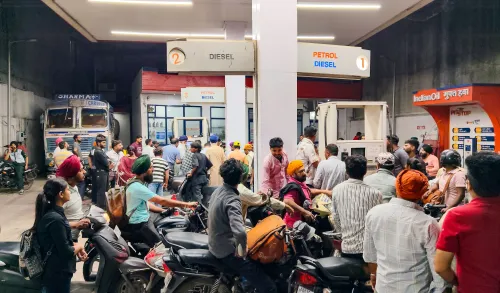
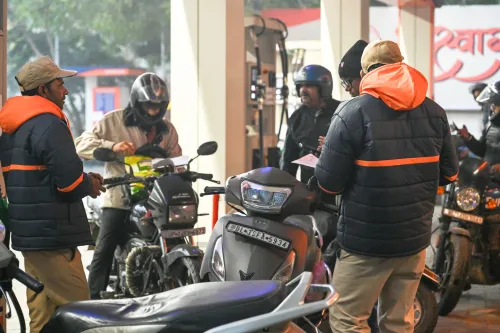
As Brent crude crossed $100 a barrel and countries from Pakistan to Germany saw fuel prices spike up to 100 per cent, India held its petrol rise to 3.2 per cent and diesel to 3.4 per cent — with state-run oil firms absorbing losses for 76 days before a ₹3-per-litre revision. The BJP is now turning that pricing restraint into a political narrative, but the question of who ultimately foots the OMC under-recovery bill remains unanswered.
Key Takeaways
Kiren Rijiju on 15 May 2026 credited India's fuel pricing strategy during the West Asia conflict -driven crude surge.
India's petrol prices rose just 3.2 per cent and diesel 3.4 per cent , among the lowest increases globally, according to BJP IT Cell analysis.
Countries including Pakistan , Germany , and Myanmar saw fuel price hikes ranging from single digits to over 100 per cent between February and May 2026 .
Public sector Oil Marketing Companies absorbed under-recoveries for nearly 76 days before a ₹3 per litre revision was announced.
Brent crude crossed $100 per barrel during the period; only Saudi Arabia reported zero fuel price change due to its subsidy structure.
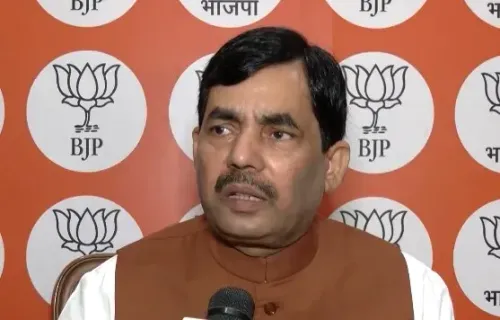
Union Parliamentary Affairs Minister Kiren Rijiju on Friday, 15 May 2026 credited India's fuel pricing strategy during the global volatility triggered by the West Asia conflict, asserting that the country's approach reflects responsible governance aimed at shielding citizens from inflationary pressure. While several nations saw petrol and diesel prices surge between 20 and nearly 100 per cent, India limited its increase to just 3.2 per cent for petrol and 3.4 per cent for diesel, according to Rijiju.
What Rijiju Said
Sharing his remarks on X, Rijiju stated that even as Brent crude crossed $100 per barrel and global markets turned volatile, India's public sector oil companies absorbed significant losses for weeks to protect households from inflation. 'This is governance with responsibility. This is leadership that puts people first. Under PM Narendra Modi, India continues to balance economic stability with public welfare,' he wrote.
BJP's Comparative Analysis
Bharatiya Janata Party (BJP) IT Cell in-charge Amit Malviya also shared a detailed analysis on X, noting that between February and May 2026, countries including Myanmar, Malaysia, Pakistan, the UAE, the United States, Sri Lanka, the United Kingdom, Germany, and Japan recorded fuel price increases ranging from single digits to over 100 per cent in some cases, particularly for diesel. India's rise of around 3.2 per cent in petrol and 3.4 per cent in diesel was reportedly the lowest among major market economies, with only Saudi Arabia reporting no change owing to its subsidy-based pricing structure.
Role of Oil Marketing Companies
According to Malviya's analysis, Indian public sector Oil Marketing Companies (OMCs), which dominate retail fuel distribution, absorbed significant under-recoveries for nearly 76 days despite rising global crude prices. This helped delay price transmission to consumers and cushioned households from immediate inflationary pressure. The arrangement is consistent with past episodes — during the 2022 Russia-Ukraine conflict, OMCs similarly absorbed losses for extended periods before a price revision was announced.
The ₹3 Per Litre Revision
Malviya noted that the recent ₹3 per litre upward revision marked the first major adjustment after a prolonged period of price stability, and still remained significantly lower compared to fuel price surges recorded globally. This positions the revision as a calibrated response rather than a full pass-through of international crude costs. Notably, the timing of the revision and the political messaging around it suggest the Centre is framing fuel price management as a key governance achievement ahead of the electoral cycle.
Broader Context
The remarks come amid a wider political narrative by the ruling BJP highlighting India's relatively moderate fuel price adjustments compared to economies disrupted by supply shocks and crude oil volatility following geopolitical tensions in West Asia. Critics, however, may argue that OMC under-recoveries represent a deferred cost that ultimately weighs on public sector balance sheets and, by extension, on taxpayers. The sustainability of absorbing such losses over extended periods remains a question that officials have not yet addressed publicly.
Point of View
But it papers over a structural question: OMC under-recoveries are not a free lunch. When state-run oil firms absorb losses for 76 days, those losses accumulate on public sector balance sheets and can constrain future capital expenditure or require government transfers. The comparison with countries like Pakistan or Myanmar — economies with far weaker fiscal buffers — also flatters the narrative. The more meaningful benchmark is whether India's OMC model is financially sustainable at $100-plus crude over a prolonged period, a question neither Rijiju nor Malviya addressed.
NationPress
25 Sept 2026
Frequently Asked Questions
Why did India's fuel prices rise less than other countries during the West Asia conflict?
According to Union Minister Kiren Rijiju and BJP analysis, India's public sector Oil Marketing Companies absorbed significant under-recoveries for nearly 76 days rather than immediately passing on the cost of rising global crude to consumers. This delayed and moderated the price transmission, resulting in a petrol rise of just 3.2 per cent and diesel of 3.4 per cent, compared to hikes of up to 100 per cent in some other countries.
What was the ₹3 per litre fuel price revision about?
The ₹3 per litre upward revision was the first major fuel price adjustment after a prolonged period of stability, according to BJP IT Cell in-charge Amit Malviya. It came after Oil Marketing Companies had absorbed losses for approximately 76 days amid elevated global crude prices following the West Asia conflict.
Which countries saw the sharpest fuel price increases between February and May 2026?
According to Amit Malviya's analysis shared on X, countries including Myanmar, Pakistan, Sri Lanka, the UAE, the United States, the United Kingdom, Germany, and Japan recorded fuel price increases ranging from single digits to over 100 per cent for diesel during February to May 2026. Only Saudi Arabia reported no change, attributable to its subsidy-based pricing structure.
What are Oil Marketing Companies and why do their under-recoveries matter?
Oil Marketing Companies (OMCs) such as Indian Oil, HPCL, and BPCL are public sector entities that dominate retail fuel distribution in India. When they sell fuel below cost — absorbing 'under-recoveries' — it protects consumers in the short term but strains their balance sheets, potentially requiring government support or limiting future investment capacity.
What did Kiren Rijiju say about India's fuel price management?
Rijiju, in a post on X, stated that India 'stood apart' as the world battled rising fuel costs after the West Asia conflict. He credited the Modi government's approach as 'governance with responsibility,' noting that OMCs absorbed huge losses for weeks to shield citizens from inflationary and economic pressure.