Jaishankar Signs UN Cybercrime Convention at UNGA81

Synopsis
EAM Dr. S. Jaishankar signed the UN Convention against Cybercrime at UNGA81 in New York on September 25, 2026, committing India to a binding multilateral framework for cross-border cybercrime cooperation and a safer digital future.
Key Takeaways
Jaishankar signed the UN Convention against Cybercrime on September 25, 2026 , on the sidelines of UNGA81 in New York.
The convention was negotiated by a UN Ad Hoc Committee established in 2021 to create a comprehensive global legal instrument against cybercrime.
The treaty aims to strengthen international cooperation between law enforcement agencies across signatory states on cybercrime investigations and prosecutions.
India's signature reflects its longstanding engagement in UN processes on cyber norms and information security.
The next critical milestones are India's domestic ratification process and the convention's broader entry into force once enough states deposit instruments.
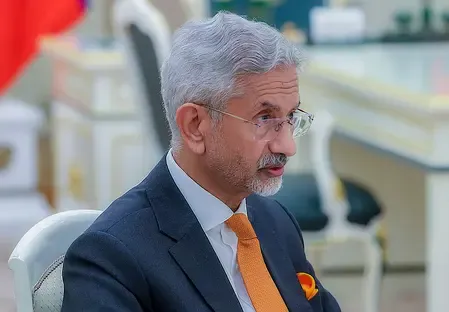
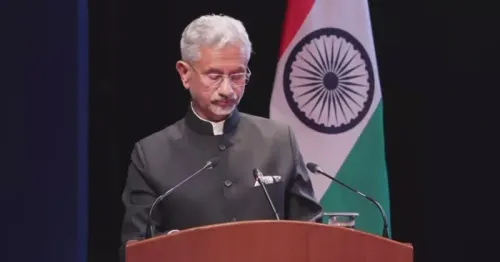
On the sidelines of the 81st United Nations General Assembly in New York, Union External Affairs Minister Dr. S. Jaishankar signed the UN Convention against Cybercrime on Friday, September 25, 2026 — marking India's formal entry into a landmark multilateral framework designed to close the legal gaps that let cybercriminals hide behind borders.
What India just signed — and why it matters
The UN Convention against Cybercrime is the product of a negotiating process that began when the UN General Assembly established a dedicated Ad Hoc Committee in 2021 to draft a comprehensive global instrument on cybercrime. The core ambition: give law enforcement agencies across countries a binding legal architecture for cooperation — sharing evidence, coordinating investigations, and prosecuting offenders who exploit jurisdictional seams. Dr. Jaishankar called it a step toward 'a safer digital future.'
For India — home to one of the world's largest and fastest-growing digital economies — the stakes are immediate. Cross-border cyber threats, from ransomware gangs to financial fraud networks, have outpaced the domestic legal toolkit. A binding multilateral convention changes the calculus for those who bank on impunity.
India's pattern at the UN on cyber norms
India's signature is consistent with its sustained engagement in UN-level processes on information security and cyber governance. New Delhi has repeatedly argued that global digital growth must be matched by global legal safeguards — a position it has advanced in various UN forums over the past decade. Signing this convention is the most concrete expression yet of that posture being translated into a binding commitment.
The UNGA high-level week provided the diplomatic backdrop: with world leaders gathered in New York, the sidelines became the venue for exactly this kind of multilateral instrument-signing — visible, consequential, and politically timed.
What comes next: ratification and entry into force
A signature is the opening move, not the final one. The convention's legal force for India depends on the ratification process — parliamentary approval and formal deposit of the instrument of ratification. More broadly, the treaty enters into force only after the required number of states complete that process. Law enforcement agencies and digital service providers across signatory states will be watching both timelines closely.
India has now planted its flag. How quickly it follows through with ratification will signal how seriously New Delhi intends to operationalise this commitment — and how much weight it will carry in shaping the convention's early implementation norms.
Point of View
Where domestic legislative alignment with the convention's provisions could prove complex. Strategically, early ratification would amplify India's voice in shaping the convention's implementation norms at a formative moment.
NationPress
25 Sept 2026
Frequently Asked Questions
What is the UN Convention against Cybercrime?
The UN Convention against Cybercrime is a multilateral treaty negotiated under UN auspices, designed to create a binding international legal framework for cooperation between countries in investigating, prosecuting, and preventing cybercrime across borders.
Why did India sign the UN Cybercrime Convention?
India signed the convention to strengthen international legal cooperation against cross-border cyber threats, consistent with its large and growing digital economy and its longstanding engagement in UN processes on cyber norms and information security.
What happens after India signs the UN Cybercrime Convention?
Signing is the first step. India must now go through a domestic ratification process — typically requiring parliamentary approval — and formally deposit its instrument of ratification before the convention becomes legally binding on India.
When was the UN Ad Hoc Committee on cybercrime established?
The UN General Assembly established the Ad Hoc Committee to negotiate a comprehensive international convention on cybercrime in 2021 .