IBSA Foreign Ministers condemn Pahalgam attack, push for UNSC reform at UNGA
Synopsis
On the sidelines of UNGA 81 in New York, India, Brazil and South Africa issued a joint condemnation of the Pahalgam terror attack — a rare trilateral Global South endorsement that strengthens India's diplomatic position. The IBSA statement also pushes hard for UNSC reform, climate action, and AI governance, signalling that the bloc is sharpening its agenda well beyond platitudes.
Key Takeaways
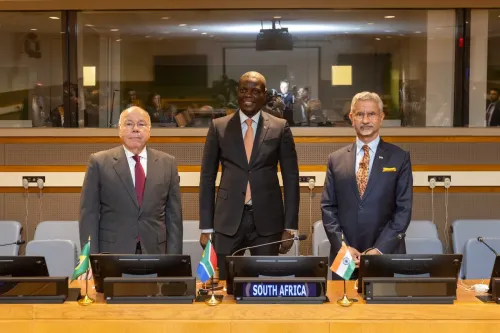
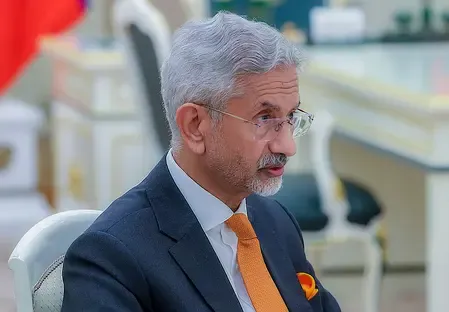
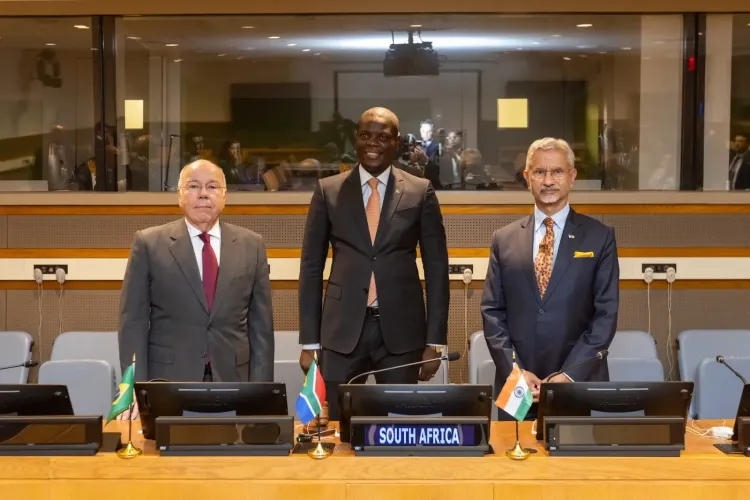
Jaishankar , South African FM Ronald Lamola , and Brazilian FM Mauro Vieira met at the IBSA ministerial in New York on 25 September 2026 .
The joint statement issued a strong condemnation of the Pahalgam terror attack and reaffirmed zero tolerance for terrorism .
The three nations called for comprehensive UNSC reform to make the body more democratic, representative, and reflective of current realities.
Ministers flagged conflict spillover impacts on the Global South — including energy and food insecurity, inflation, and fiscal pressures.
The bloc backed tripling renewable energy capacity in the Global South and expanding sustainable fuels including biofuels and low-emission hydrogen.
A commitment to women's empowerment , digital infrastructure , and AI-driven development was also included in the joint statement.
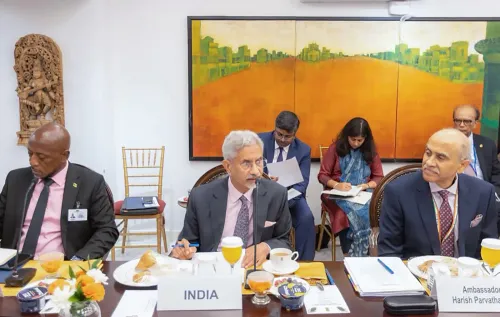
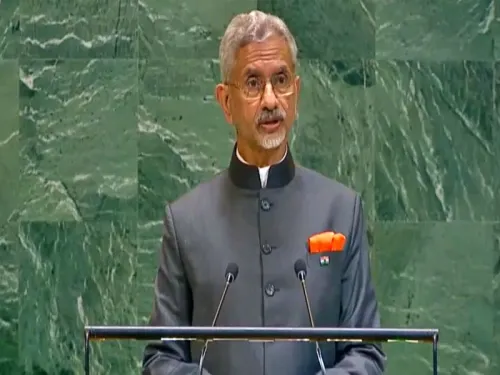
External Affairs Minister S. Jaishankar joined Foreign Ministers Ronald Lamola of South Africa and Mauro Vieira of Brazil at the IBSA Dialogue Forum ministerial meeting in New York on 25 September 2026, where the three nations issued a joint statement strongly condemning the Pahalgam terror attack and reaffirming a collective commitment to zero tolerance for terrorism.
Key Outcomes of the IBSA Meeting
In their joint media statement, the ministers underscored adherence to the UN Charter, international law, and a stronger multilateral system. They called for comprehensive reform of the UN Security Council (UNSC) to make it more democratic, representative, legitimate, and reflective of contemporary geopolitical realities. The three nations — representing major emerging economies across Asia, Latin America, and Africa — also stressed the need for the global economic governance system to ensure more effective, equitable, and representative participation of developing and emerging economies.
Pahalgam Attack Condemnation and Counterterrorism Stance
The joint condemnation of the Pahalgam terrorist attack was among the most prominent elements of the statement, with all three foreign ministers reaffirming zero tolerance for terrorism in any form. The trilateral denunciation carries diplomatic weight, given that Brazil and South Africa are not parties to the India-Pakistan bilateral dispute and their endorsement reflects a broader Global South consensus on counterterrorism accountability.
Climate, Energy and Digital Agenda
The ministers expressed urgency around climate action, warning that increasingly frequent and intense climate-linked disasters threaten sustainable development globally. They voiced support for tripling renewable energy capacity in the Global South, doubling the global average rate of energy-efficiency improvements, and expanding sustainable fuels — including biofuels, biogases, and low-emission hydrogen. On technology, the three nations committed to universal, meaningful connectivity and greater deployment of digital infrastructure, while recognising the potential of artificial intelligence to drive economic growth and sustainable development.
Trade, Gender Equity and Global South Resilience
The IBSA statement also stressed the need to protect balanced, fair, and mutually beneficial trade for equitable growth and greater resilience. The ministers flagged concern over the spillover of global conflicts onto the Global South — particularly through energy and food insecurity, inflation, and fiscal pressures. The joint statement reaffirmed full commitment to empowering women and girls and removing social and economic barriers to their participation.
What Jaishankar Said
Jaishankar posted on X: 'Participated in the IBSA Foreign Ministers' Meeting today with FM @RonaldLamola of South Africa and FM Mauro Vieira of Brazil. #UNGA81'. He added that the joint media statement covered commitment to the UN Charter, support for UNSC reform, concern over conflict spillover on the Global South, and a 'strong condemnation of the Pahalgam terror attack and reaffirmation of zero tolerance for terrorism.'
The IBSA meeting took place on the sidelines of the 81st UN General Assembly (UNGA) session in New York, where world leaders and foreign ministers have gathered for high-level diplomatic engagements. With UNSC reform discussions gaining momentum, the IBSA bloc's unified demand adds a notable multilateral voice to India's longstanding push for a permanent seat.
Point of View
Making their explicit endorsement harder for Islamabad to dismiss as partisan. Simultaneously, the IBSA bloc's unified demand for UNSC reform, delivered at the UNGA, adds pressure on the P5 at a moment when multilateral reform debates are unusually live. What the statement does not do is specify timelines or enforcement mechanisms on any of its commitments — from UNSC reform to climate targets — which remains the chronic gap between IBSA declarations and deliverables.
NationPress
25 Sept 2026
Frequently Asked Questions
What happened at the IBSA Foreign Ministers' meeting in New York?
The foreign ministers of India, Brazil, and South Africa met on 25 September 2026 on the sidelines of the 81st UN General Assembly in New York and issued a joint statement condemning the Pahalgam terror attack, calling for UNSC reform, and addressing climate change, trade, and digital development. EAM S. Jaishankar represented India at the IBSA Dialogue Forum ministerial.
Why did IBSA condemn the Pahalgam terror attack?
The three IBSA nations reaffirmed their collective zero-tolerance stance on terrorism, with the Pahalgam attack cited explicitly in the joint media statement. The trilateral condemnation is diplomatically significant because Brazil and South Africa are non-partisan on India-Pakistan matters, lending broader Global South weight to the denunciation.
What is the IBSA Dialogue Forum?
The IBSA Dialogue Forum is a trilateral grouping of India, Brazil, and South Africa — three major democracies from the Global South spanning Asia, Latin America, and Africa. It focuses on South-South cooperation across trade, climate, technology, and multilateral reform.
What did IBSA say about UN Security Council reform?
The joint statement called for comprehensive UNSC reform to make the body more democratic, representative, legitimate, and reflective of contemporary geopolitical realities. India, Brazil, and South Africa — all aspirants to greater multilateral influence — have long advocated expanding permanent or semi-permanent membership of the Security Council.
What were the other key issues discussed at the IBSA ministerial?
Beyond terrorism and UNSC reform, the ministers addressed climate urgency, supporting tripling of renewable energy in the Global South and expanding sustainable fuels. They also called for fairer global trade governance, better digital infrastructure, harnessing AI for development, and full commitment to women's empowerment and gender equity.