Kotak: ODI conditions in NZ ideal prep for India's Test series starting Nov 19
Synopsis
India batting coach Sitanshu Kotak says the swing, seam, and awkward bounce encountered in New Zealand's ODIs are a dress rehearsal for the Tests — not a distraction from them. With India A fixtures running in parallel and a dedicated red-ball camp at Mount Maunganui from 11 November, India's preparation structure ahead of the 19 November first Test looks more deliberate than the usual white-ball-to-red-ball scramble.
Key Takeaways
Sitanshu Kotak said ODI conditions in New Zealand — featuring swing, seam, and awkward bounce on pitches with 12–14mm grass — have provided early Test preparation.
The two-match Test series against New Zealand begins on 19 November .
India A players have been gaining red-ball exposure through three four-day matches running concurrently with the ODI series.
Test-bound players will join a training camp at Mount Maunganui from 11 November after exiting the ODI squad following the third game.
India lead the five-match ODI series 2-0 , with the remaining games offering further squad fine-tuning.
Kotak highlighted the need to help younger batters like Naman and Anshul manage match situations without altering their aggressive natural game.
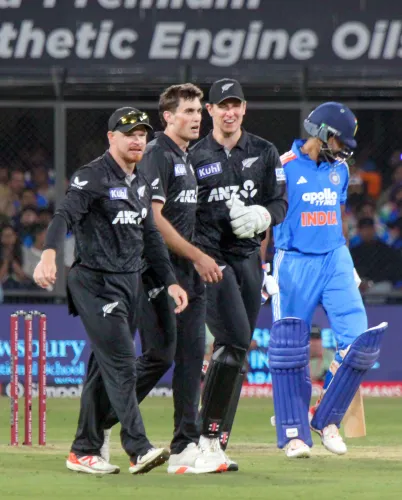
India batting coach Sitanshu Kotak has said the challenging playing conditions encountered during the ongoing ODI series against New Zealand have served as valuable preparation for the two-match Test series beginning on 19 November, giving the visiting squad an early feel of the swing, seam movement, and awkward bounce they are likely to face in red-ball cricket.
What Kotak Said About the Conditions
Speaking ahead of the third ODI in Hamilton on Tuesday, Kotak acknowledged that no adjustments to batting approach would be made mid-series, but said the nature of the surfaces had still provided instructive insights. 'No one will make Test adjustments during a white-ball (series), but at the same time, the way the wickets were in both ODIs, there was swing, and after five-six overs, when the swing stopped, there was seam movement too, and you could say a little bit of awkward bounce too,' he said. 'In hindsight, it's a good thing, because we might get the same things in the Test matches, only the ball will be red.'
Kotak also pointed to the thicker grass — described as 12–14mm — on New Zealand pitches as a factor that naturally conditions batters for the demands ahead, even within a white-ball context. He noted that the low-scoring nature of the matches, frequently settling around 140-type totals rather than 300-type, reflects just how challenging these surfaces are.
India A and the Mount Maunganui Camp
Beyond the ODI series itself, Kotak highlighted parallel preparations as a key pillar of India's Test readiness. Three four-day matches involving India A have provided competitive red-ball exposure to players earmarked for the Test setup. Additionally, players transitioning out of the ODI squad are scheduled to attend a training camp at Mount Maunganui from 11 November, giving them five to six dedicated sessions before the first Test.
'Plus the three India A matches also, our red-ball players are playing in them, so that is also a big advantage for batters and at the same time for bowlers also,' Kotak said. 'They would also know where to bowl, what lengths, what help you are getting with what kind of releases. So I think, all in all, the preparation has been very good... so fingers crossed, we should be ready for the Test series as well.'
Developing Younger Batters: The Naman Challenge
Kotak also addressed the delicate task of helping India's younger batters calibrate their natural aggression to the demands of difficult match situations. The lower-order collapse in the second ODI — with rain threatening to curtail proceedings — provided a live case study in situational awareness.
Discussing Naman's approach specifically, Kotak was careful not to call for a change in his style. 'The tricky thing is, these people play such good aggressive cricket, and we keep speaking about positive intent,' he said. 'The thin line is, the cricket Naman plays, his style, and the ability that he has, that's why he's here. If he starts playing defensively, you'll say there are lots of players like that in India.'
He framed the challenge as helping young players read the game — recognising when to hold back — without eroding the attacking instinct that earned them their place. A similar observation was made about Anshul, who, Kotak noted, could have played out more deliveries given that KL Rahul was at the other end and the match situation did not demand big hits.
Series Context and What Comes Next
India currently hold a 2-0 lead in the five-match ODI series. The remaining matches offer an opportunity to fine-tune combinations, but the Test-bound players will depart after Tuesday's third ODI to begin their red-ball preparations. The first of the two Tests is scheduled to get underway on 19 November, with India carrying into it what Kotak described as a thorough and well-structured build-up.
Point of View
It is a pragmatic acknowledgement that subcontinental teams rarely get acclimatisation time in New Zealand. The more revealing part of his comments, though, is the Naman discussion: the tension between rewarding aggression and demanding situational discipline is a perennial challenge in India's white-ball development pipeline, and the coaching staff do not yet have a clean answer. India's 2-0 ODI lead masks the fact that neither innings was a batting masterclass; if that surface behaviour carries into the Tests, the middle order's adaptability — not the bowling attack — may be the series-deciding variable.
NationPress
9 Nov 2026
Frequently Asked Questions
When does India's Test series against New Zealand begin?
The two-match Test series between India and New Zealand begins on 19 November. Test-bound players will leave the ODI squad after the third ODI on Tuesday and head to a training camp at Mount Maunganui from 11 November to prepare.
What did Sitanshu Kotak say about New Zealand's ODI conditions?
Kotak said the pitches in the first two ODIs offered swing, seam movement, and awkward bounce — conditions similar to what India may face in the Tests. He described it as a 'good thing in hindsight,' noting the only difference in the Tests would be the red ball.
How is India preparing specifically for the Test series?
India's Test preparation involves three tracks: the ODI series itself providing pitch awareness, India A four-day matches giving red-ball match practice to Test-bound players, and a dedicated training camp at Mount Maunganui from 11 November for players released from the ODI squad.
What was Kotak's advice regarding younger batters like Naman?
Kotak said the challenge is helping younger players like Naman read match situations — such as when to avoid risky shots with rain looming — without suppressing the attacking style that earned them a place in the squad. He stressed the goal is situational awareness, not a change in approach.
What is India's current ODI series standing against New Zealand?
India lead the five-match ODI series 2-0 heading into the third game in Hamilton. The remaining matches offer an opportunity to fine-tune combinations before the team's focus shifts fully to the two-match Test series.