KR Narayanan death anniversary: Assam CM Himanta Biswa Sarma pays tribute
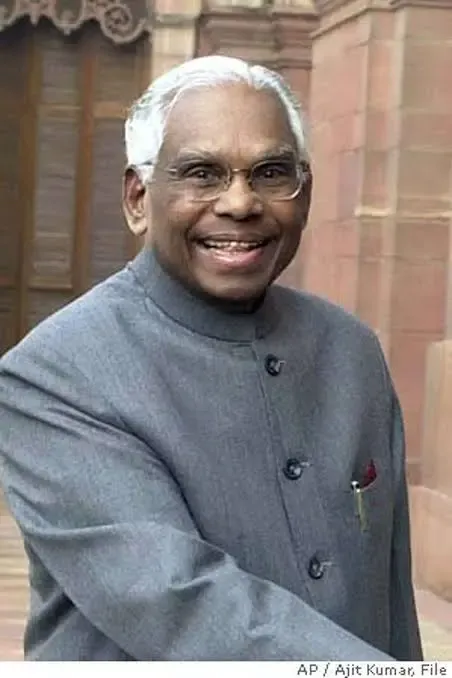
Synopsis
Twenty years after his passing, former President KR Narayanan — India's first Dalit head of state and a career diplomat turned constitutional guardian — was remembered by Assam CM Himanta Biswa Sarma for a presidency defined by democratic principle over ceremonial custom. His legacy endures as a benchmark for constitutional fidelity.
Key Takeaways
Assam CM Himanta Biswa Sarma paid tribute to former President KR Narayanan on 9 November 2026 , the 20th anniversary of his death.
Sarma posted his tribute on social media platform X , recalling Narayanan's journey from diplomacy to Rashtrapati Bhavan .
Narayanan served as the 10th President of India from 1997 to 2002 and was the first person from the Dalit community to hold the office.
Born in Kerala in 1920 , he had a distinguished career in the Indian Foreign Service before entering politics.
His presidency was noted for a strong emphasis on constitutional values during a period of coalition-era political volatility.
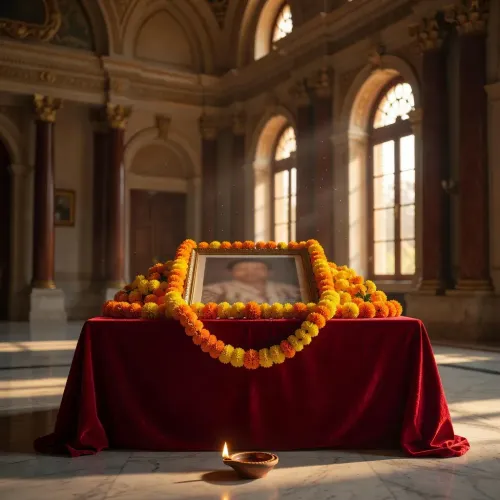
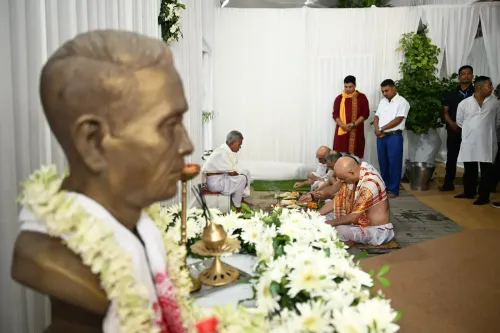
Assam Chief Minister Himanta Biswa Sarma on Monday, 9 November paid tribute to former President K.R. Narayanan on his death anniversary, honouring the statesman's enduring commitment to constitutional values and public service. Narayanan, who served as the 10th President of India from 1997 to 2002, passed away on 9 November 2005 — twenty years ago today.
Sarma's Tribute on X
In a post on social media platform X, Sarma reflected on Narayanan's extraordinary trajectory from career diplomat to the country's highest constitutional office. 'From the world of diplomacy to the Rashtrapati Bhavan, K. R. Narayanan ji carried with him a deep commitment to constitutional values and public service. Remembering him on his Punyatithi today,' the Chief Minister wrote. Sarma's tribute was among several offered by leaders and public figures across the country to mark the occasion.
A Historic Presidency
Narayanan's election to the presidency in 1997 was widely regarded as a landmark moment in Indian democracy. He became the first person from the Dalit community to hold the country's highest constitutional office — a milestone that resonated far beyond political circles. His five-year tenure at Rashtrapati Bhavan was distinguished by a steady emphasis on democratic institutions, constitutional propriety, and measured public interventions on matters of national importance.
From Kerala to the Indian Foreign Service
Born in Kerala in 1920, Narayanan built a long and illustrious career in the Indian Foreign Service before transitioning to politics. He held several key diplomatic assignments abroad and later took on important ministerial responsibilities. His scholarly outlook and deep grounding in India's constitutional framework shaped his approach to both diplomacy and public office, making him one of the most intellectually distinguished figures to have served in India's highest posts.
Legacy and Significance
Narayanan's legacy is closely associated with his unflinching defence of constitutional principles during a period of considerable political volatility in India. His presidency coincided with coalition-era governments and a rapidly evolving polity, and he was known for exercising his constitutional discretion carefully and transparently. Notably, he is remembered as a President who was not merely a ceremonial figurehead but an active participant in safeguarding democratic norms. His journey from a modest background in Kerala to Rashtrapati Bhavan remains a defining story of perseverance and public service in independent India.
Point of View
But Narayanan's case warrants genuine reflection. As India's first Dalit President and a career diplomat who brought intellectual rigour to Rashtrapati Bhavan, he exercised constitutional discretion in ways that set a precedent few successors have matched. His use of the presidential 'send back' power during coalition-era governance remains a reference point in constitutional scholarship. That a sitting Chief Minister took time to highlight his legacy — specifically the constitutional dimension — signals that Narayanan's presidency is still relevant to contemporary debates about the role and limits of India's highest office.
NationPress
9 Nov 2026
Frequently Asked Questions
Who was KR Narayanan?
K.R. Narayanan was the 10th President of India, serving from 1997 to 2002. Born in Kerala in 1920, he had a distinguished career in the Indian Foreign Service before entering politics, and became the first person from the Dalit community to hold India's highest constitutional office.
When did KR Narayanan pass away?
KR Narayanan passed away on 9 November 2005. The 2026 death anniversary marks 20 years since his passing, and leaders across the country paid tribute on the occasion.
Why is KR Narayanan remembered as a historic President?
Narayanan is remembered as the first Dalit to serve as President of India, a milestone widely seen as a landmark moment in Indian democracy. His presidency was also notable for his active defence of constitutional values and democratic institutions during a politically volatile coalition era.
What did Assam CM Himanta Biswa Sarma say about KR Narayanan?
Sarma posted a tribute on X, writing that Narayanan 'carried with him a deep commitment to constitutional values and public service' as he journeyed from diplomacy to Rashtrapati Bhavan. The tribute was part of wider remembrances across the country on Narayanan's Punyatithi.
What was KR Narayanan's background before becoming President?
Before becoming President, Narayanan had a long career in the Indian Foreign Service, holding several key diplomatic assignments abroad. He later entered politics and held important ministerial responsibilities before being elected to the presidency in 1997.