Akhilesh Yadav hails PDA coalition's 'glorious victory'
Synopsis
Samajwadi Party president Akhilesh Yadav marked a PDA coalition win on 25 September 2026, declaring a fresh 'sankalp' for equality and signalling the social alliance remains the party's core electoral weapon ahead of the 2027 Uttar Pradesh assembly polls.
Key Takeaways
Akhilesh Yadav posted on 25 September 2026 celebrating a 'glorious victory' for the Samajwadi Party's PDA coalition .
PDA stands for Pichhda (backward classes), Dalit, and Alpsankhyak (minorities) — the SP's signature social alliance in Uttar Pradesh.
Yadav's post used the word sankalp (solemn resolve), framing the PDA not just as electoral tactics but as an ideological commitment to equality.
The SP first prominently deployed the PDA formula in the 2022 Uttar Pradesh assembly elections to consolidate non-Yadav OBC, Dalit and minority votes.
The 2027 UP assembly elections are the next major contest where PDA vote consolidation will be tested.
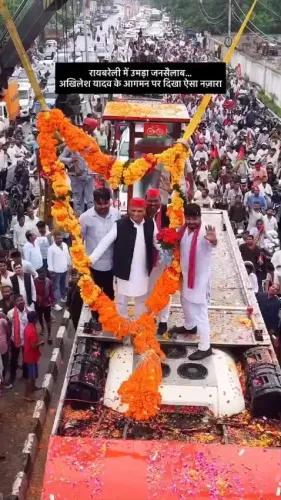
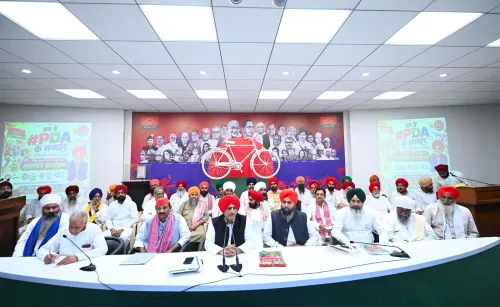
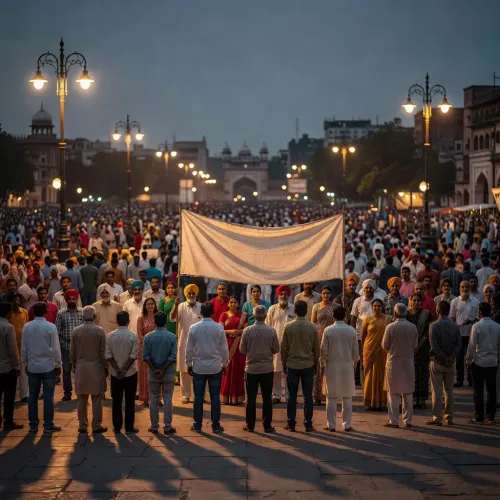
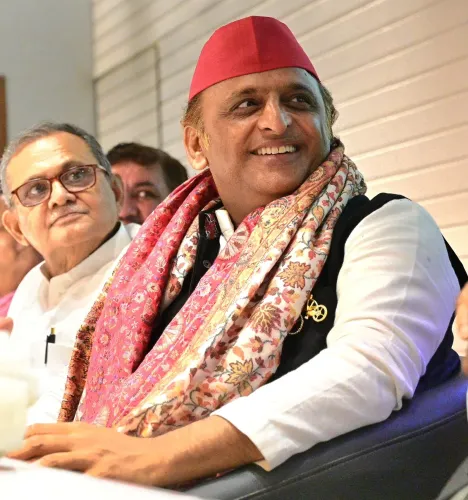
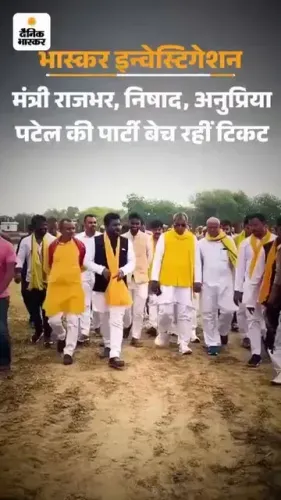
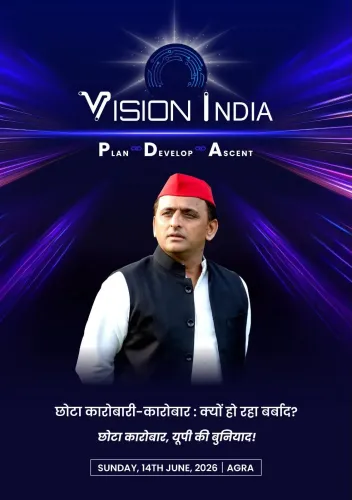
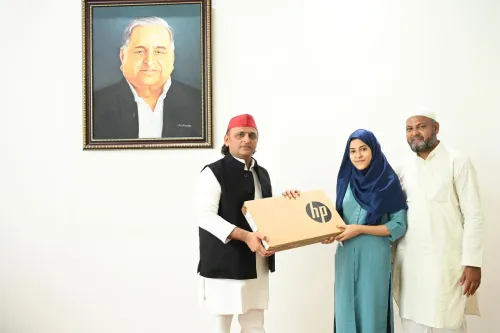
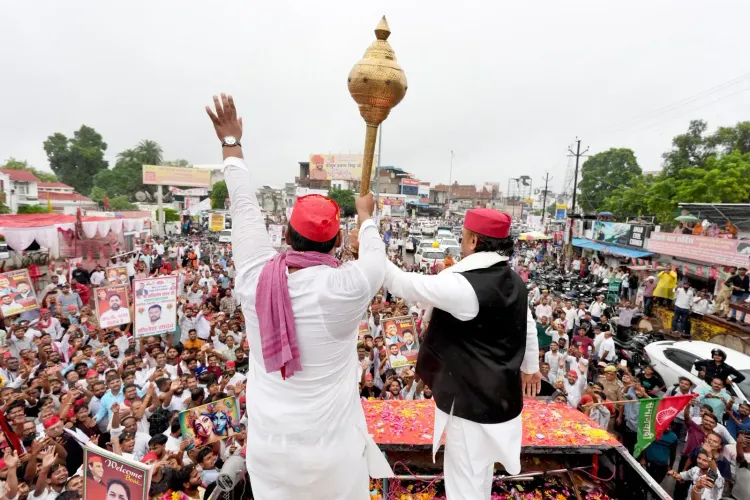
The post was accompanied by four images , indicating a coordinated campaign communication rather than a spontaneous statement.
A resolve renewed, a coalition celebrated — Samajwadi Party president Akhilesh Yadav took to X on Friday, 25 September 2026 to declare a fresh commitment to equality and trumpet what he called a 'glorious victory' for his party's PDA social alliance.
In a couplet-style post that blends political declaration with poetic punch, Yadav wrote: 'Sankalp le liya samanta ki nayi reet ka aur apne PDA ki shaandaar jeet ka!' — 'A resolve has been taken for a new tradition of equality, and for the glorious victory of our PDA!' The four images accompanying the post signal an organised, visual campaign around the message rather than a passing social-media moment.
What PDA means — and why it keeps coming back
PDA stands for Pichhda (backward classes), Dalit, and Alpsankhyak (minorities) — the three-pillar social coalition the Samajwadi Party has deployed as its core electoral arithmetic in Uttar Pradesh. The formula is designed to stitch together non-Yadav OBCs, Scheduled Caste voters, and Muslim communities into a bloc large enough to challenge the ruling BJP's dominance in India's most populous state.
The strategy is not new. Akhilesh refined and prominently deployed the PDA framework during the 2022 Uttar Pradesh assembly elections, betting that a cross-caste, cross-community alliance — anchored on a shared language of social justice and equality — could translate marginalised numbers into decisive seat tallies. While the party did not capture power in 2022, the PDA framing visibly sharpened its vote share and organisational energy, keeping the formula alive as a mobilisation touchstone for every subsequent contest.
Yadav's language of resolve ahead of 2027
The choice of the word sankalp — 'solemn resolve' — is deliberate and freighted. In Indian political culture, a sankalp is not a casual promise; it carries the weight of a public vow. Pairing it with 'a new tradition of equality' positions the PDA not merely as a vote-bank tactic but as an ideological project, one Yadav is signalling he intends to deepen heading into what is shaping up as a critical electoral cycle.
The 2027 Uttar Pradesh assembly elections loom as the defining contest for every party operating in the state. For the Samajwadi Party, converting the PDA coalition from a slogan into durable vote consolidation — especially among non-Yadav OBC communities that BJP has also aggressively courted — is the central challenge. Yadav's post lands as a public reaffirmation that the party is betting on that coalition, not pivoting away from it.
Reading the four images
The four images attached to the post — unreleased in detail but clearly part of a coordinated visual set — suggest this is a campaign communication, not a spontaneous reaction. In contemporary Indian political messaging, such visual packaging typically accompanies rally wrap-ups, local election results, or the launch of a targeted outreach drive. The framing of 'victory' implies a recent, specific win the party is amplifying, though the exact contest cannot be independently confirmed from available information.
One thing is clear: for Akhilesh Yadav, the PDA coalition is not a post-election pivot — it is the opening chapter of the next campaign.
Point of View
Couplet-style declaration fits a deliberate pattern: the SP uses high-energy social-media moments to keep its PDA coalition emotionally mobilised between elections, reinforcing group identity when no immediate poll is imminent. The framing of 'a new tradition of equality' signals an attempt to elevate PDA beyond transaction — from a vote-bank formula to a durable political identity that rivals the BJP's own Hindutva consolidation narrative. With the 2027 UP assembly elections on the horizon, the stakes of that branding effort are considerable: the SP must hold Dalit and non-Yadav OBC communities that both Congress and BJP are simultaneously courting. Whether a social-media sankalp translates into ground-level coalition durability is the central question UP politics will answer over the next eighteen months.
NationPress
26 Sept 2026
Frequently Asked Questions
What is the PDA formula of the Samajwadi Party?
PDA stands for Pichhda (backward/OBC communities), Dalit, and Alpsankhyak (minorities, primarily Muslims). It is the Samajwadi Party's electoral alliance strategy in Uttar Pradesh, designed to consolidate non-Yadav OBC, Scheduled Caste, and Muslim voters into a winning coalition against the BJP.
What did Akhilesh Yadav post on 25 September 2026?
Akhilesh Yadav posted a couplet on X declaring a solemn resolve for a new tradition of equality and celebrating a glorious victory for the Samajwadi Party's PDA coalition. The post was accompanied by four images, suggesting a coordinated campaign announcement.
When did Samajwadi Party first use the PDA strategy?
The PDA coalition strategy was prominently deployed during the 2022 Uttar Pradesh assembly elections, when Akhilesh Yadav sought to stitch together non-Yadav OBC, Dalit, and minority communities to challenge BJP's dominance in the state.
What does 'sankalp' mean in Indian political context?
'Sankalp' means a solemn resolve or vow in Hindi. In Indian political culture, declaring a sankalp carries the weight of a public commitment, signalling intent to pursue a goal with sustained effort rather than a casual promise.
What are the next major elections in Uttar Pradesh?
The next major contest in Uttar Pradesh is the 2027 state assembly elections. These polls are considered the defining test for every major party in the state, including the Samajwadi Party's effort to convert its PDA coalition strategy into a governing majority.