Akhilesh Yadav says Sikh community joins SP's PDA alliance
Synopsis
Samajwadi Party president Akhilesh Yadav on 2 July 2026 declared the Sikh community has joined the party's PDA coalition of backward classes, Dalits and minorities, framing it as a strategic expansion ahead of the 2027 Uttar Pradesh assembly elections.
Key Takeaways
Akhilesh Yadav announced on 2 July 2026 that the Sikh community is now part of the SP's PDA alliance .
The PDA (Pichhda-Dalit-Alpsankhyak) formula was first formally adopted by the Samajwadi Party for the 2022 Uttar Pradesh assembly elections .
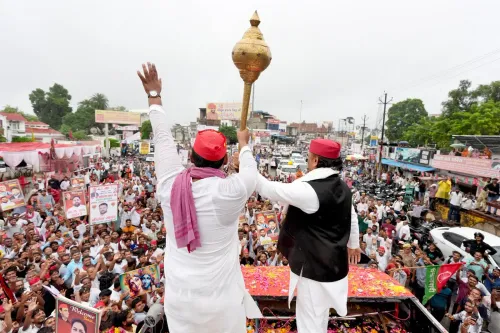
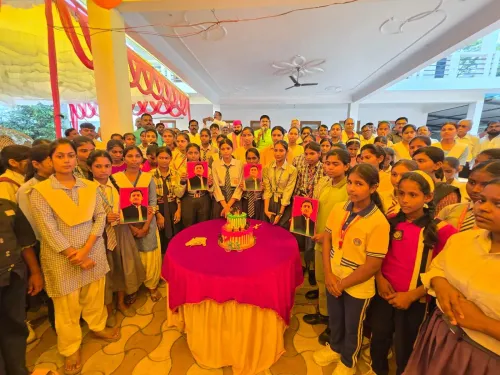
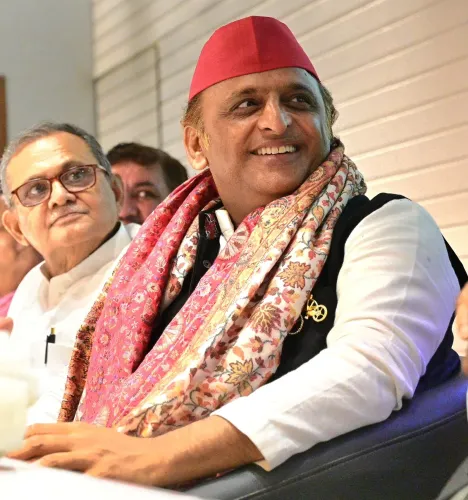
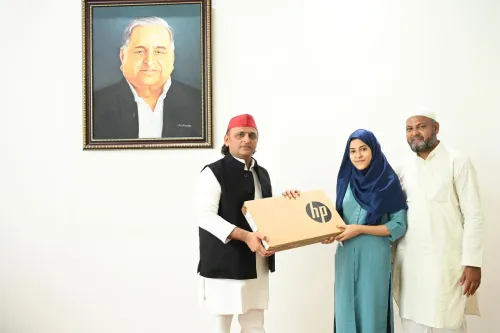
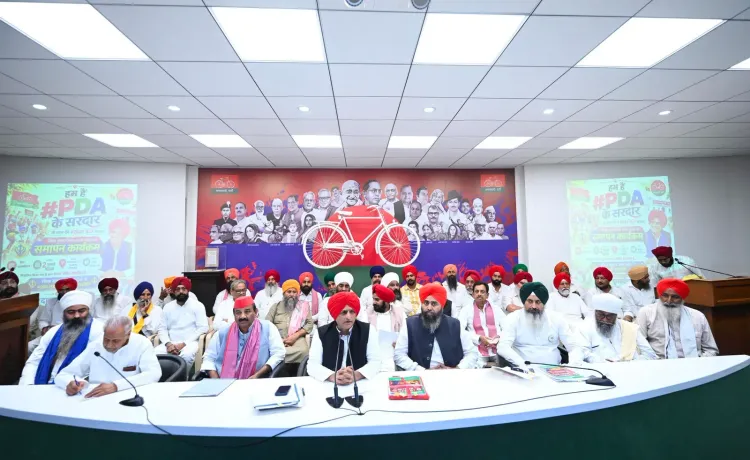
The statement was accompanied by four images on X, suggesting a structured outreach event rather than a spontaneous declaration.
Sikh voters are concentrated in western Uttar Pradesh districts including Saharanpur and Muzaffarnagar , where they can influence closely fought seats.
The move is widely seen as coalition-building ahead of the 2027 Uttar Pradesh assembly elections .
Formal endorsements from Sikh organisations and SP candidate-list decisions will be key indicators of how deep the alignment runs.
Samajwadi Party president Akhilesh Yadav declared on Thursday, 2 July 2026 that the Sikh community has joined the party's PDA (Pichhda-Dalit-Alpsankhyak) social alliance, framing the development as an expansion of the coalition he has been building ahead of the 2027 Uttar Pradesh assembly elections.
Context
In a post on X accompanied by four images, Akhilesh Yadav wrote: 'Sikh samaj bhi saath hai — yeh PDA ka vistar hai' ('The Sikh community is also with us — this is the expansion of PDA'). The brief but pointed statement signals a deliberate effort to bring one of Uttar Pradesh's smaller but historically significant minority communities under the SP's existing social-justice umbrella.
The PDA formula — shorthand for an alliance of Other Backward Classes, Scheduled Castes, and religious minorities — was formally adopted by the Samajwadi Party for the 2022 Uttar Pradesh assembly elections as a structural alternative to the party's older reliance on Yadav and Muslim voters alone.
Policy Backdrop
The PDA framework is designed to consolidate numerically dispersed communities into a single electoral bloc capable of countering the BJP's consolidated majority-community vote share in Uttar Pradesh. By explicitly naming the Sikh community as a new entrant, Yadav is extending the coalition's reach into a community that carries particular symbolic and organisational weight in western districts of the state.
Uttar Pradesh has a notable Sikh population concentrated in districts such as Saharanpur, Muzaffarnagar and parts of the Terai belt, where community influence can affect margins in closely contested seats. Regional parties in the state have historically sought to incorporate smaller minority groups into broader caste-community arithmetic, particularly as assembly election cycles approach.
Stakeholders and Impact
The immediate stakeholders are Sikh voters in Uttar Pradesh, backward-class communities already aligned with the PDA, and the Dalit and minority organisations that anchor the alliance. Any formal endorsement from Sikh religious or social bodies would strengthen the SP's claim that the community has institutionally joined the fold rather than merely offering informal goodwill.
The move also carries implications for the broader INDIA bloc in the state, as coalition partners will watch whether Sikh community outreach translates into seat-sharing negotiations or joint campaign events ahead of 2027. The BJP, which has made inroads with several minority sub-groups in recent election cycles, is likely to respond with its own counter-outreach.
What's Next
Political observers will look for follow-through: formal outreach events, statements from Sikh organisations in western Uttar Pradesh, and whether the SP incorporates Sikh representation into its candidate lists or party structures. The 2027 Uttar Pradesh assembly elections remain the clearest deadline against which the success of this PDA expansion will be measured. If the Sikh community alignment holds through structured engagement, it could meaningfully alter the arithmetic in several competitive constituencies.
Point of View
Not a casual social-media post — the four accompanying images suggest an organised outreach event was the trigger. Incorporating Sikhs into the PDA lexicon extends the coalition's symbolic reach beyond its original OBC-Dalit-Muslim axis, potentially complicating the BJP's counter-narrative that SP represents only two communities. The real test will be whether this translates into institutional endorsements, rally presence, and ultimately ticket allocation in Sikh-concentrated western UP constituencies before 2027. If it does, the PDA could evolve from a slogan into a genuinely multi-community electoral architecture.
NationPress
1 Oct 2026
Frequently Asked Questions
What is the PDA alliance of Samajwadi Party?
PDA stands for Pichhda-Dalit-Alpsankhyak, a social coalition formula adopted by the Samajwadi Party to unite Other Backward Classes, Scheduled Castes and religious minorities into a consolidated electoral bloc in Uttar Pradesh. The party formally adopted it ahead of the 2022 state assembly elections.
Why is Akhilesh Yadav reaching out to the Sikh community?
Akhilesh Yadav is seeking to expand the SP's voter base beyond its core Yadav and Muslim support ahead of the 2027 Uttar Pradesh assembly elections. Adding the Sikh community to the PDA alliance broadens the coalition's reach into western UP districts where Sikh voters can influence margins in competitive seats.
Where do Sikh voters live in Uttar Pradesh?
The Sikh population in Uttar Pradesh is concentrated mainly in western districts such as Saharanpur, Muzaffarnagar and parts of the Terai belt, areas that include several closely contested assembly constituencies.
What does PDA expansion mean for the 2027 UP elections?
If the Sikh community alignment is institutionalised through formal endorsements and candidate representation, the PDA bloc could shift vote arithmetic in a number of western Uttar Pradesh seats, potentially strengthening the Samajwadi Party's position against the BJP in the 2027 assembly elections.
Has the Sikh community officially endorsed the Samajwadi Party?
As of Akhilesh Yadav's 2 July 2026 post, the declaration is his own framing of Sikh community support. Formal institutional endorsements from Sikh religious or social organisations in Uttar Pradesh have not been independently confirmed and will be a key development to watch.