Petrol, diesel prices in India lower than most nations amid Gulf crisis, NDA says
Synopsis
India has hiked petrol and diesel prices twice in under a week — 86 paise and 83 paise per litre respectively — as the Gulf conflict and a reported Strait of Hormuz blockade squeeze global crude supply. NDA leaders are defending the move by pointing to comparative international prices, but the back-to-back revisions signal that the worst may not be over for Indian consumers.
Key Takeaways
Petrol rose by 86 paise per litre and diesel by 83 paise per litre in the latest revision — the second hike in under a week.
BJP and NDA leaders argued India's fuel prices remain lower than those in many other countries despite the global energy crisis.
Senior BJP leader Shahnawaz Hussain cited the blockade of the Strait of Hormuz and a worldwide oil and gas shortage as the primary drivers.
West Bengal Minister Dilip Ghosh said state-run oil companies have suffered losses worth lakhs of crores of rupees, necessitating the price increase.
Prime Minister Narendra Modi has appealed to citizens to conserve fuel amid the ongoing crisis.
Multiple NDA leaders criticised previous governments for failing to develop alternative energy sources to reduce import dependence.
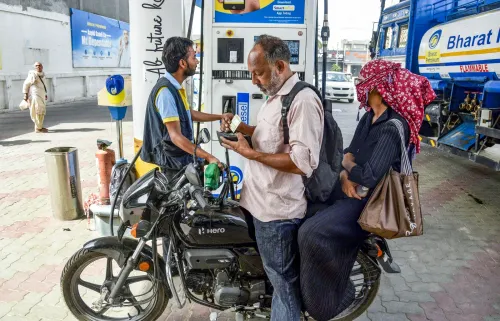
Petrol and diesel prices in India remain comparatively lower than in many countries despite two fuel price hikes in under a week, senior leaders of the Bharatiya Janata Party (BJP) and its National Democratic Alliance (NDA) allies argued on Tuesday, 19 May. The defence came after state-run oil marketing companies revised prices for the second time in days, citing a sharp rise in international crude oil costs linked to the ongoing conflict in the Gulf region and fears over disruptions to global supply routes.
The Latest Price Revision
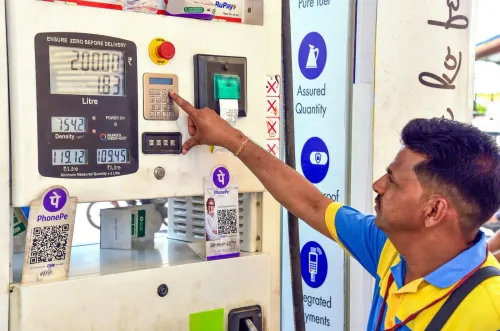
Following the most recent revision, petrol rose by 86 paise per litre and diesel by 83 paise per litre. The back-to-back hikes have drawn criticism from opposition parties, prompting a coordinated pushback from ruling alliance leaders who framed the increases as an unavoidable consequence of a global energy emergency rather than a policy failure.
What NDA Leaders Said
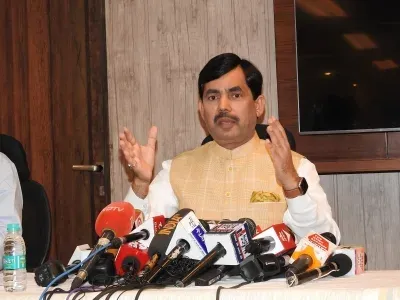
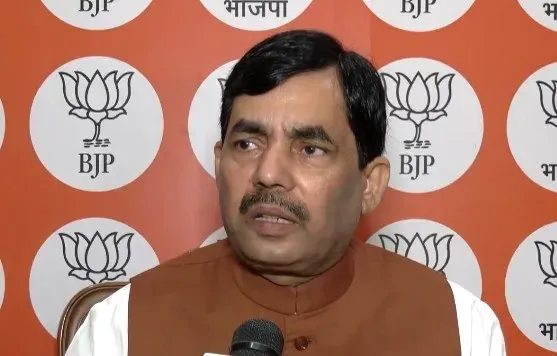
Senior BJP leader Shahnawaz Hussain attributed the price surge directly to the deteriorating international situation, pointing to the blockade of the Strait of Hormuz as a key supply chokepoint. 'There is a global crisis. The Strait of Hormuz is blocked. There is a large-scale shortage of oil and gas worldwide. Only in India, the minimum burden is being placed on the public,' Hussain said, adding that opposition criticism in such circumstances was 'unfortunate.'
Uttar Pradesh Minister and Nishad Party founder Sanjay Nishad echoed that framing, arguing India remains in a comparatively stable position. 'Every time, the situation is measured through comparison, and when we compare the situation in India with other nations, we are safe and secure despite the crisis in West Asia. Because of PM Modi, India has become strong,' Nishad said. He also criticised earlier governments for not investing sufficiently in alternative energy sources to reduce the country's dependence on imported fuel.
Jharkhand Assembly Leader of Opposition Babulal Marandi noted that the price increases are a global phenomenon. 'The entire world is witnessing a hike in fuel prices due to the war in West Asia and the blockade of the Strait of Hormuz. Compared to other countries, oil prices in India have not risen as much,' Marandi said, adding that Prime Minister Narendra Modi has appealed to citizens to conserve fuel.
Oil Companies Under Strain
West Bengal Minister Dilip Ghosh acknowledged that state-run oil firms have absorbed significant losses. 'The condition of our oil companies is poor, and they have suffered losses worth lakhs of crores of rupees. Therefore, only the minimum necessary price increase has been made,' Ghosh said, framing the hike as a last-resort measure to prevent deeper damage to public sector energy companies.
Broader Context and What's Next
This is the second fuel price revision in less than a week, a pace that signals continued stress in global crude markets. The West Asia conflict and the reported blockade of the Strait of Hormuz — through which a significant share of the world's oil passes — have rattled energy markets globally. Critics argue that India's structural dependence on crude imports leaves consumers exposed each time geopolitical tensions flare, a vulnerability that successive governments have acknowledged but not resolved. With the Gulf conflict showing no signs of de-escalation, analysts warn further revisions cannot be ruled out if international crude prices remain elevated.
Point of View
Nor does it explain the trajectory if the Gulf conflict deepens. The reference to oil company losses worth 'lakhs of crores' is the more revealing admission — it suggests the government has been absorbing under-recoveries and has now reached a threshold where it can no longer shield consumers. The appeal to conserve fuel, while symbolically important, does nothing to reduce the import dependence that makes India perpetually vulnerable to West Asian geopolitics. That structural problem — flagged by NDA leaders themselves when they blamed previous governments — has not been solved on this government's watch either.
NationPress
23 Oct 2026
Frequently Asked Questions
Why have petrol and diesel prices been hiked twice in under a week in India?
State-run oil marketing companies revised fuel prices twice in less than a week due to a sharp rise in international crude oil prices triggered by the ongoing conflict in West Asia and a reported blockade of the Strait of Hormuz. The latest revision raised petrol by 86 paise per litre and diesel by 83 paise per litre.
How do India's fuel prices compare to other countries?
BJP and NDA leaders have argued that despite the back-to-back hikes, India's petrol and diesel prices remain comparatively lower than those in many other nations affected by the global energy crisis. No specific country-by-country comparison was provided in their statements.
What is the Strait of Hormuz and why does it matter for India's fuel prices?
The Strait of Hormuz is a critical global oil supply route through which a significant share of the world's crude oil passes. A blockade or disruption there directly tightens global supply, pushing up international crude prices — which in turn raises the cost of fuel in import-dependent countries like India.
What has PM Modi asked citizens to do amid the fuel price hikes?
Prime Minister Narendra Modi has appealed to citizens to conserve fuel as the country navigates the global energy crisis. Multiple NDA leaders reiterated this call, framing conservation as the most immediate step available to ordinary consumers.
Are further fuel price hikes likely in India?
With the West Asia conflict showing no signs of de-escalation and international crude prices remaining elevated, analysts warn that additional revisions cannot be ruled out. West Bengal Minister Dilip Ghosh also acknowledged that state-run oil companies have suffered heavy losses, suggesting limited room to absorb further cost increases without passing them on to consumers.