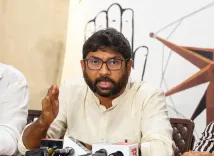
Fuel price hike: Opposition slams Centre, calls it 'loot' of citizens
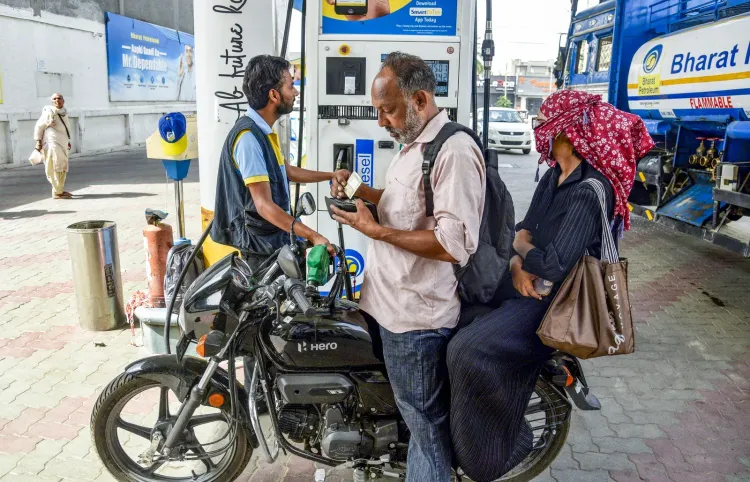
Synopsis
With petrol up 86 paise and diesel up 83 paise per litre in the second hike in under a week, the Opposition is calling it a phased looting of citizens — and the BJD’s demand to bring petroleum under GST is the most concrete policy counter on the table. If Gulf tensions persist, a third revision may not be far off.
Key Takeaways
Petrol prices rose by 86 paise per litre and diesel by 83 paise per litre in the latest revision on 19 May .
This was the second fuel price hike in under a week by state-run oil marketing companies.
Congress leaders Pramod Tiwari , Husain Dalwai , and Ajay Kumar Lallu accused the Centre of burdening citizens through repeated revisions.
BJD’s Sasmit Patra warned that about 60% of India’s gas supplies pass through the Strait of Hormuz , making them vulnerable to Gulf tensions.
Patra wrote to Finance Minister Nirmala Sitharaman seeking inclusion of petroleum products under the GST regime .
Fuel prices have risen by approximately ₹3.5 to ₹4 per litre in recent days, according to Patra.
Opposition leaders on Tuesday, 19 May launched a sharp attack on the Centre over the latest revision in petrol and diesel prices, accusing the government of systematically burdening ordinary citizens amid a global crude oil surge driven by escalating tensions in the Gulf region. The criticism came hours after state-run oil marketing companies raised fuel prices for the second time in under a week.
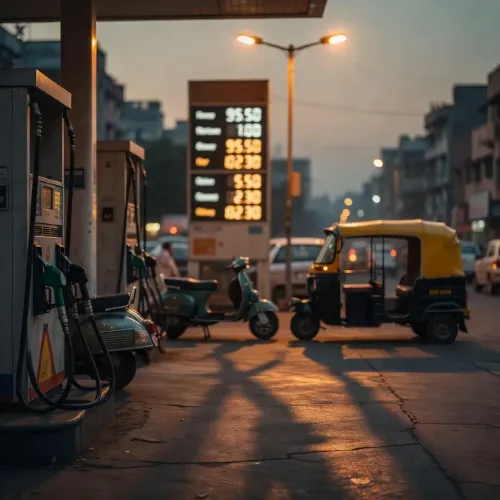
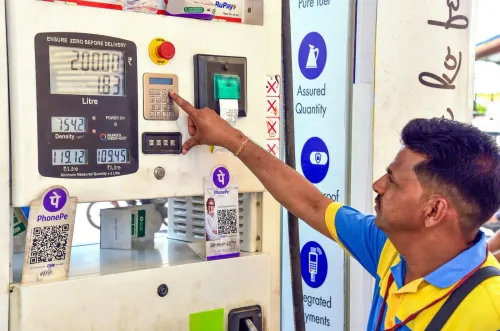
Following the latest revision, petrol prices rose by 86 paise per litre and diesel by 83 paise per litre, compounding inflationary pressure on household budgets across the country.
Congress Fires First
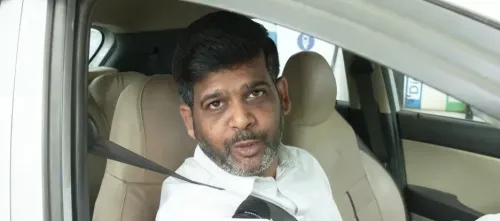
Senior Indian National Congress leader Pramod Tiwari accused the government of misleading citizens while repeatedly hiking fuel costs. “The Prime Minister appeals to everyone not to travel abroad, but himself goes to little-known countries to receive an award… This is just a trailer. Earlier, they increased by ₹3; now they have increased more, and they will continue to do this… This is being done to loot the citizens,” he said.
Congress leader Husain Dalwai alleged that the government was deliberately raising prices in phases to blunt public reaction. “They are gradually raising prices every day. Prices will be increased ‘step by step’. They have already stated this. They will administer a slow-acting injection to the people, leaving them to die,” Dalwai said.
BJD Flags Gulf Crisis, Calls for GST Reform
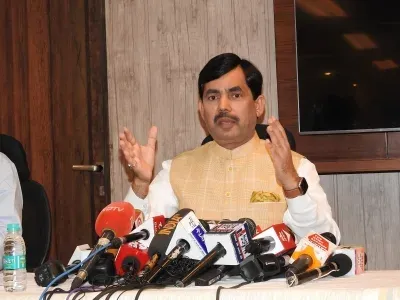
Sasmit Patra of the Biju Janata Dal (BJD) linked the domestic price surge directly to the ongoing Gulf crisis, noting that approximately 60 per cent of India’s gas supplies pass through the Strait of Hormuz. He warned that disruptions there would continue to push up domestic fuel costs.
Patra noted that fuel prices had already climbed by around ₹3.5 to ₹4 in recent days and urged that petroleum products be brought under the Goods and Services Tax (GST) regime to offer consumers structured relief. “This price rise will put a heavy burden on the common people and household budgets. That is why I recently wrote a letter to Finance Minister Nirmala Sitharaman, proposing that petroleum products should be brought under the GST regime,” he said.
Congress's Lallu Cites Queues and Shortages
Congress leader Ajay Kumar Lallu broadened the attack, alleging that citizens were already facing severe economic strain from inflation and supply shortages, and that neither the Centre nor state governments had offered meaningful relief. “People are standing in queues for everything — oil, gas or fertilisers. Every section of society is suffering. Then there is the problem of inflation, too,” Lallu said.
Context and What Comes Next
This comes amid a broader global energy market disruption, with international crude oil prices spiking on fears of supply chain disruptions linked to the Gulf tensions. India, which imports a significant share of its crude requirements, remains exposed to such price swings. The Opposition’s call to bring petroleum under GST is not new — it has been a recurring demand from multiple quarters for years, though the Centre has yet to act on it. With another potential revision not ruled out by oil marketing companies, household fuel costs could climb further in the near term.
Point of View
But the structural point buried within it is worth examining: India’s refusal to bring petroleum under GST leaves fuel pricing entirely in the hands of oil marketing companies and the Centre, with no rate-rationalisation mechanism. Every Gulf flare-up thus becomes a direct hit on Indian household budgets, with no buffer. The phased-hike strategy — small increments over days rather than a single adjustment — is a deliberate political choice to manage optics, and the Opposition is right to name it. The real accountability question is whether the windfall gains the Centre collected when crude was cheap were ring-fenced for exactly such moments — and the answer, historically, is no.
NationPress
13 Oct 2026
Frequently Asked Questions
Why have petrol and diesel prices been hiked in India?
State-run oil marketing companies raised petrol prices by 86 paise per litre and diesel by 83 paise per litre following a sharp rise in international crude oil prices, driven by escalating tensions in the Gulf region and fears of supply chain disruptions. This was the second such revision in under a week.
What is the Opposition’s main criticism of the fuel price hike?
Opposition leaders from the Congress and BJD have accused the Centre of deliberately hiking prices in small phases to avoid public backlash, calling it a systematic burden on ordinary citizens. Congress’s Pramod Tiwari called it an attempt to 'loot the citizens,' while Husain Dalwai likened it to a 'slow-acting injection.'
What is the demand to bring petroleum under GST?
BJD leader Sasmit Patra has written to Finance Minister Nirmala Sitharaman urging that petroleum products be included under the Goods and Services Tax regime. Under GST, fuel prices would be subject to a standardised rate structure, potentially reducing state-by-state variation and offering consumers more predictable pricing.
How does the Gulf crisis affect India’s fuel prices?
According to BJD’s Sasmit Patra, approximately 60 per cent of India’s gas supplies pass through the Strait of Hormuz. Tensions in the Gulf region disrupt global oil supply chains, pushing up international crude prices, which in turn raise domestic fuel costs in India.
How much have fuel prices increased in total recently?
According to Sasmit Patra, fuel prices have risen by approximately ₹3.5 to ₹4 per litre in recent days, with the latest revision adding 86 paise on petrol and 83 paise on diesel.