BJD slams Odisha's BJP govt over fuel price hike, demands GST on petrol
Synopsis
With global crude prices falling, the BJD is asking a pointed question: why are Indian consumers still paying more? Citing LPG costs that have more than doubled since 2014 — from ₹415 to ₹968 — the party is demanding petrol and diesel be brought under GST, a structural reform that successive governments have sidestepped due to its impact on state revenues.
Key Takeaways
BJD on 8 June criticised the BJP -led Odisha and Union governments over rising petrol, diesel, and LPG prices.
Biju Mahila Janata Dal President Snehangini Chhuria alleged a domestic LPG cylinder has risen from ₹415 in 2014 to ₹968 currently .
The party demanded petrol and diesel be brought under GST to help lower fuel prices for consumers.
Chhuria said the price surge has hit lower-income families, small traders, tea stall owners , and hotel operators hardest.
BJD also raised concerns over women's safety in Odisha , alleging a rise in crimes against women in the state.
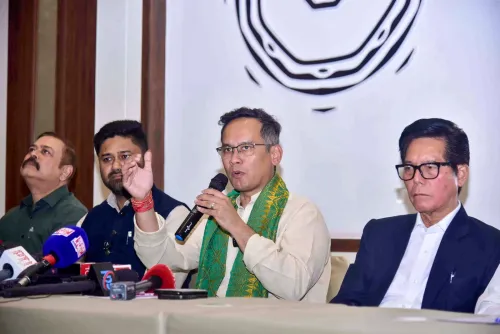
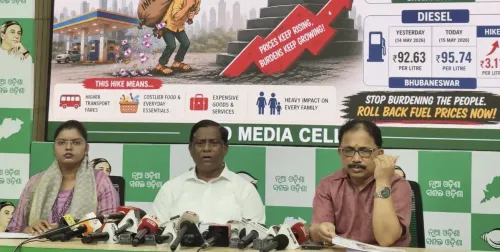
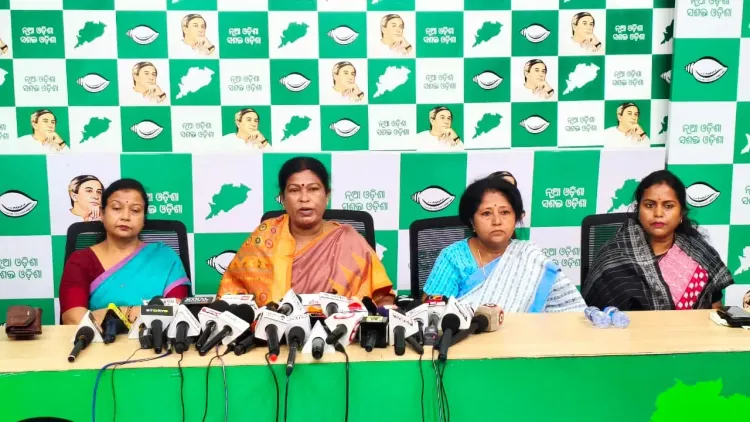
The Biju Janata Dal (BJD) on Monday, 8 June launched a sharp attack on the BJP-led Odisha government and the Centre over the sustained rise in prices of petrol, diesel, LPG, and other essential commodities, alleging that consumers are being denied relief even as global crude oil prices have declined. The criticism was voiced at a press conference held at Shankha Bhawan in Bhubaneswar.
Key Allegations
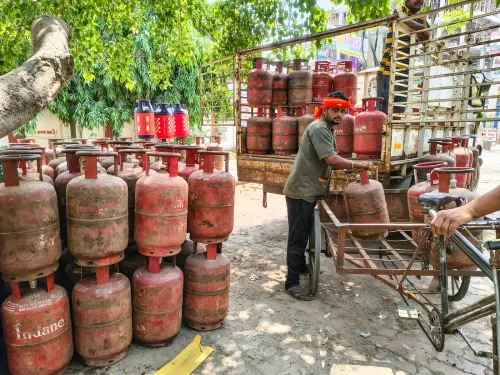
Biju Mahila Janata Dal President Snehangini Chhuria alleged that the price of a domestic LPG cylinder has more than doubled over the past decade — rising from approximately ₹415 in 2014 to around ₹968 at present. She further alleged that prices of petrol, diesel, and commercial gas cylinders have also risen sharply, placing what she called 'tremendous pressure' on household budgets.
'In 2014, the price of a domestic LPG cylinder was around ₹415, whereas it has now reached ₹968. Similarly, the prices of petrol, diesel and commercial gas cylinders have also increased abnormally, putting tremendous pressure on the household budgets of ordinary people,' Chhuria said.
Who Is Bearing the Brunt
According to Chhuria, the price surge has hit lower-income and middle-class families, small traders, tea stall owners, and hotel operators the hardest. She argued that the continuous rise in cooking gas prices has made routine household expense management increasingly difficult for ordinary families.
Notably, the BJD's critique comes against the backdrop of the party's transition to the opposition benches in Odisha following the BJP's victory in the state in 2024 — marking the first time in over two decades that the BJD finds itself outside power in the state.
What BJD Is Demanding
Chhuria questioned why consumers were not benefiting from the fall in international crude oil prices and urged the Centre to reduce taxes on petroleum products. The BJD has specifically demanded that petrol and diesel be brought under the Goods and Services Tax (GST) regime, arguing this structural change could meaningfully lower fuel prices and ease the financial burden on consumers.
The party urged both the Centre and the Odisha state government to take immediate steps to reduce prices of petrol, diesel, and LPG and provide relief to those struggling with the rising cost of living.
Women's Safety Concerns Also Raised
During the same press conference, Chhuria also raised concerns over women's safety in Odisha, alleging a rise in incidents of rape, gang rape, and violence against women in the state. She accused the government of failing to adequately address these issues and called for stronger protective measures.
What Comes Next
The BJP-led state and union governments are yet to formally respond to the BJD's demands. The question of bringing petroleum products under GST has been a long-standing political and fiscal debate in India, with states historically reluctant to cede the significant revenue they earn from fuel taxes. Whether Monday's demands gain traction will depend on the political momentum BJD can build as a renewed opposition force in Odisha.
Point of View
The party is recalibrating as a consumer-rights opposition, targeting an issue with broad street-level resonance. The demand to bring petrol and diesel under GST is substantively sound — economists have long argued it would rationalise fuel taxation — but it is also a demand that the BJP at the Centre has consistently deflected, citing state revenue concerns. The real test is whether BJD can sustain this pressure beyond a press conference, and whether it can credibly own an issue it had limited appetite for when it was in power itself.
NationPress
22 Sept 2026
Frequently Asked Questions
Why is the BJD criticising the BJP government over fuel prices?
The BJD alleges that petrol, diesel, and LPG prices have risen sharply even as global crude oil prices have declined, with consumers not receiving any corresponding relief. The party says a domestic LPG cylinder now costs around ₹968, up from approximately ₹415 in 2014.
What is the BJD's key demand regarding fuel prices?
The BJD has demanded that petrol and diesel be brought under the Goods and Services Tax (GST) regime. The party argues this would help lower fuel prices by rationalising the current multi-layered tax structure on petroleum products.
Who did BJD's Snehangini Chhuria say is most affected by rising fuel prices?
Chhuria identified lower-income and middle-class families, small traders, tea stall owners, and hotel operators as the groups bearing the greatest burden from rising fuel and cooking gas prices.
Did the BJD raise any other issues at the press conference?
Yes. Alongside the fuel price demands, Biju Mahila Janata Dal President Snehangini Chhuria also raised concerns over women's safety in Odisha, alleging an increase in incidents of rape and violence against women and calling for stronger government action.
What is the current status of bringing petrol and diesel under GST?
Petrol and diesel remain outside the GST framework in India. States have historically opposed their inclusion due to the significant revenue they earn from fuel taxes, making it one of the most contested unresolved items in India's GST architecture.