Kishan Reddy: Mining Ministers' Meet Day 2 Advances Cooperative Federalism
Synopsis
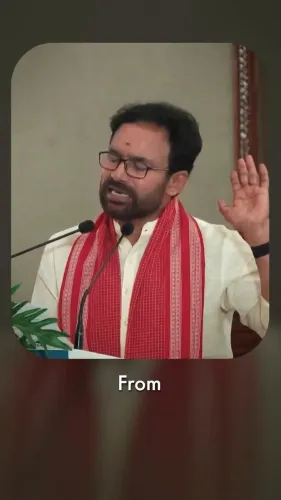
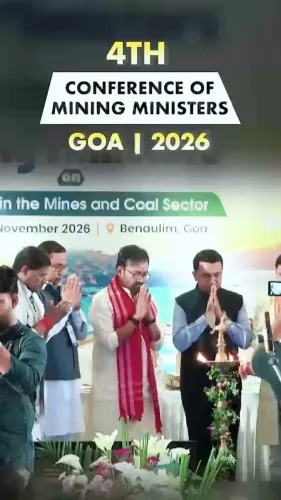
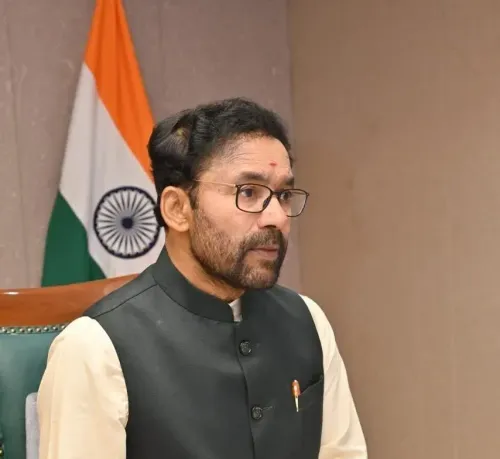
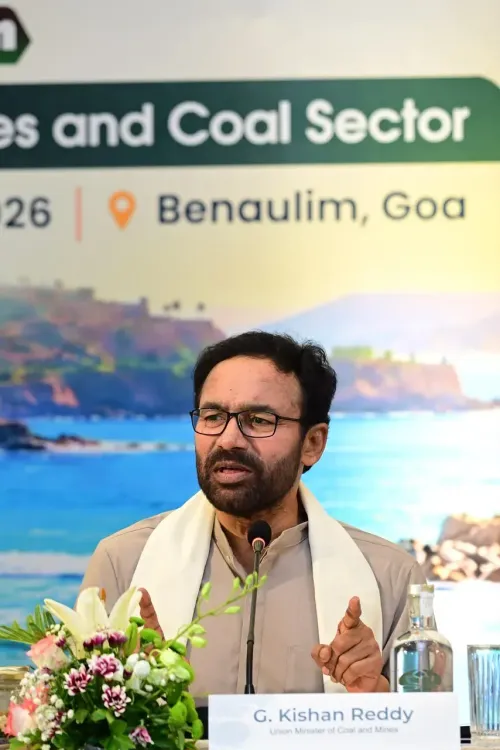
Union Coal and Mines Minister G. Kishan Reddy on 6 November 2026 reported that the second day of the 4th Mining Ministers' Conference in Goa yielded constructive state inputs and reinforced the Modi government's cooperative federalism approach to mining and coal sector reforms.
Key Takeaways
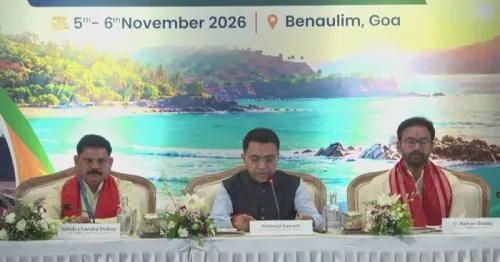
The 4th Conference of Mining Ministers held in Goa completed its second day on 6 November 2026 with state presentations on mining challenges and opportunities.
Kishan Reddy described the deliberations as a demonstration of cooperative federalism , with state inputs set to enrich national mining policy.
The conference aligns with the National Mineral Policy 2019 and the MMDR Amendment Act 2021 , which restructured auction and exploration frameworks.
Earlier editions of the Mining Ministers' Conference have influenced legislative and regulatory changes, giving this forum direct policy relevance.
Goa as host brings its own contested iron ore history to the table, symbolising the breadth of issues the national framework must address.
Follow-up action — whether state suggestions appear in MMDR amendments or block notifications — will determine the conference's real-world impact.
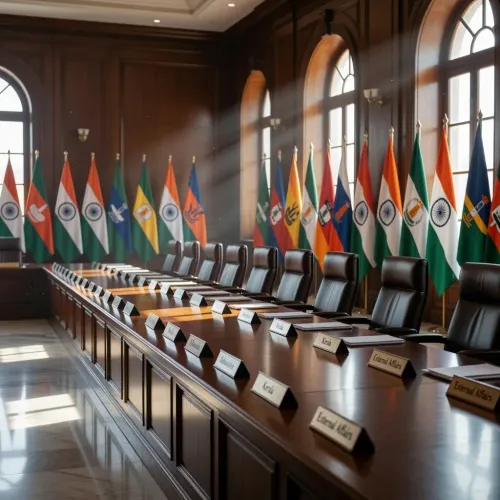
In a sun-drenched Goa convention hall, state mining ministers and central officials spent a second consecutive day hammering out the fault lines and opportunities in India's vast mineral landscape — and Union Coal and Mines Minister G. Kishan Reddy says the conversation is shaping something far bigger than a conference agenda.
What the second day actually produced in Goa
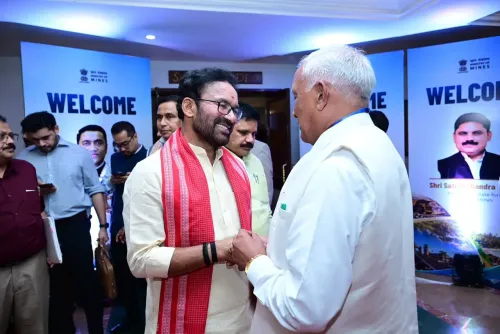
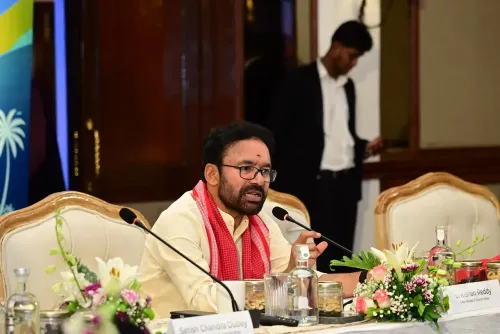
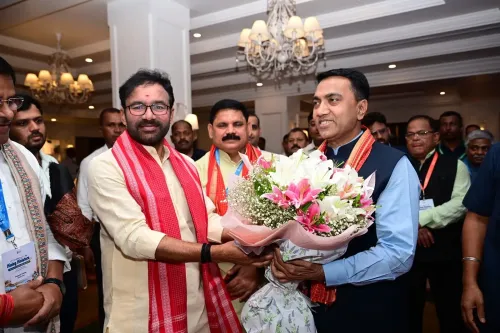
The 4th Conference of Mining Ministers on Reforms in Mines and Coal Sector, held in Goa, entered its second day on Friday, 6 November 2026 with state delegations presenting inputs, suggestions and regional perspectives on the challenges and opportunities within their respective mining sectors. Kishan Reddy described the deliberations as 'meaningful' and 'constructive', with states identifying bottlenecks, flagging regional priorities and sharing best practices that could inform national-level policy.
The minister highlighted the collective discussions as a demonstration of cooperative federalism in action — a governing philosophy central to the Narendra Modi government's approach to resource sectors. 'By bringing the Centre and States together, we are advancing a mining sector that is more efficient, transparent, sustainable and future-ready,' Reddy posted on X, tagging both the Ministry of Coal and the Ministry of Mines.
Why these ministerial conferences carry policy weight
These conferences are not ceremonial. Platforms like this sit at the operational intersection of the Mines and Minerals (Development and Regulation) Amendment Act 2021 — which overhauled auction processes and exploration rights — and the National Mineral Policy 2019, which set targets for sustainable mining, private sector participation and reduced import dependence. Earlier editions of the Mining Ministers' Conference have fed directly into legislative and regulatory revisions, making state inputs here a form of live policy drafting at scale.
India's minerals landscape is overwhelmingly a state-subject in practice, even as the Centre sets the regulatory architecture. That structural tension — Centre legislates, states execute — is precisely why conferences like this one matter. When a state like Odisha or Jharkhand flags a bottleneck in environmental clearances or a gap in mineral exploration data, it carries the weight of ground-level reality that Delhi-based policy drafting rarely captures on its own.
Goa as host: more than symbolism
Goa brings its own charged mineral history to the table. The state's iron ore sector has been through repeated regulatory upheavals — court-ordered halts, lease renewals, export debates — making it a living case study in the very fault lines these conferences are designed to resolve. Hosting the meet here sends a signal about the host state's own stake in getting the national framework right.
What to watch after the ministers head home
The real test of two days of deliberations lies in what follows. Watch for state suggestions surfacing in future amendments to the MMDR framework, potential notifications on new mineral blocks, or sustainability guidelines that reflect the regional diversity flagged by participating states. Reddy's framing — 'progressive and robust mining framework for the nation' — sets the expectation bar. Whether the dialogue translates into binding policy action will define the conference's legacy beyond its press release.
India's mineral sector ambitions are enormous: domestic production targets, a push to reduce import bills on critical minerals, and an expanding role in the global clean-energy supply chain all ride on getting centre-state coordination right. Two days of talks in Goa won't resolve every fault line — but they are the architecture from which solutions get built.
Point of View
Clearances and exploration targets tied to the MMDR amendments. The choice of Goa as venue — a state with a turbulent iron ore history — adds implicit acknowledgment that the reform agenda must address the most contested, not just the most compliant, mining jurisdictions. The conference's real output will only be measurable once state suggestions appear, or fail to appear, in subsequent legislative notifications.
NationPress
7 Nov 2026
Frequently Asked Questions
What is the 4th Conference of Mining Ministers about?
The 4th Conference of Mining Ministers on Reforms in Mines and Coal Sector is a Centre-state platform where state mining ministers present perspectives, challenges and best practices to collectively shape national mining and coal sector policy.
Where is the Mining Ministers' Conference being held?
The conference is being held in Goa , a state with a significant mineral sector history, particularly in iron ore.
What is cooperative federalism in the context of mining?
In mining, cooperative federalism refers to the structured collaboration between the central government — which sets legislative and regulatory frameworks like the MMDR Act — and state governments, which administer leases, clearances and local enforcement on the ground.
What policy changes could follow the Mining Ministers' Conference?
State inputs from the conference could feed into future amendments to the Mines and Minerals (Development and Regulation) Act, notifications on new mineral blocks, sustainability guidelines, or adjustments to auction and exploration processes.
What is G. Kishan Reddy's role in India's mining sector?
G. Kishan Reddy serves as the Union Minister of Coal and Mines, overseeing central policy on coal production, mineral exploration, and regulatory reforms across both the coal and non-coal mining sectors.