Kishan Reddy Flags Mine Closure Push at Goa Mining Ministers Meet
Synopsis
Union Coal and Mines Minister G. Kishan Reddy addressed the 4th Conference of Mining Ministers in Goa on November 6, 2026, emphasising India's commitment to sustainable mining, responsible mine closure, and environmental restoration under PM Narendra Modi's leadership.
Key Takeaways
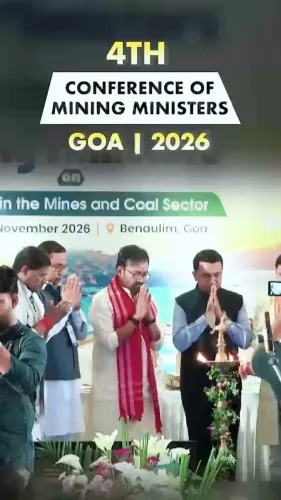
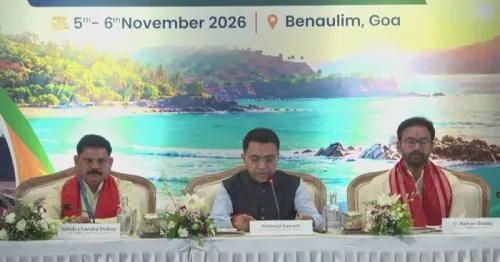
The 4th Conference of Mining Ministers was held in Goa on November 6, 2026 , convened by the Ministry of Mines .
Kishan Reddy highlighted mine closure and environmental restoration as central pillars of India's current mining agenda.
The conference aligns with the National Mineral Policy 2019 , which prioritised sustainable mining and scientific mine closure.
The MMDR Amendment Acts of 2020 and 2021 introduced tighter provisions for expedited mine closures and site rehabilitation.
Goa — a state with a contentious mining history — served as the symbolic and substantive backdrop for the national policy discussion.
State-level adoption of updated mine closure guidelines and central funding for ecological restoration remain the key outcomes to watch.
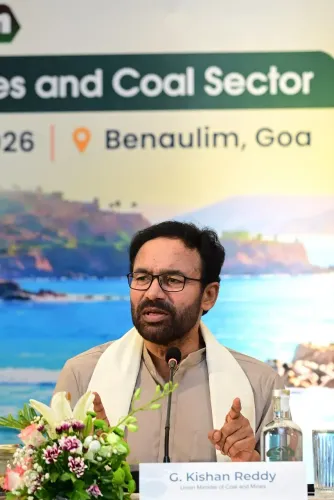
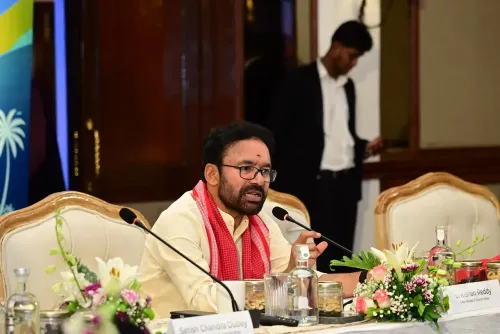
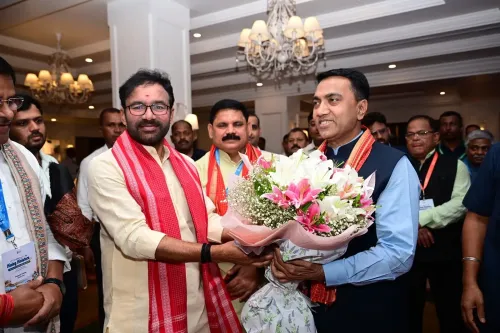
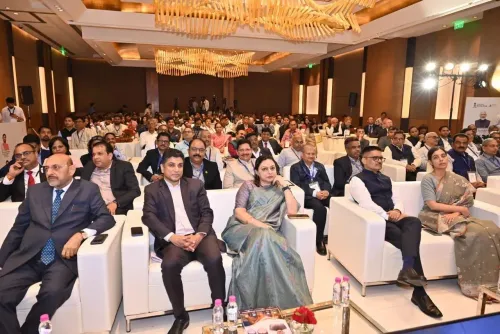
From the sun-drenched conference halls of Goa, Union Coal and Mines Minister G. Kishan Reddy used the 4th Conference of Mining Ministers on Friday, November 6, 2026 to sharpen India's national message: extracting minerals and healing the land are no longer competing goals.
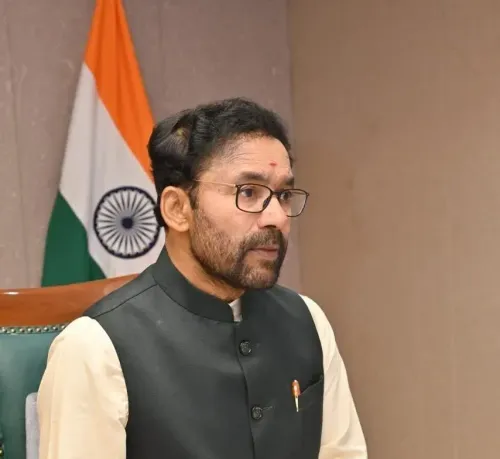
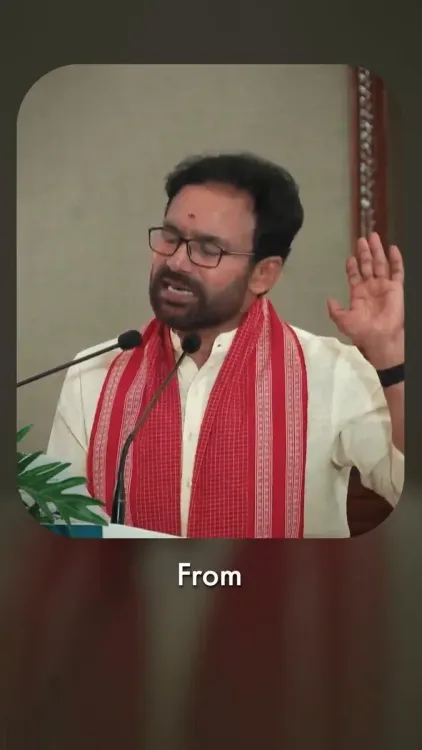
Reddy shared glimpses of the ministerial gathering, stating that the government is giving 'focused attention to mine closure and investing in sustainable development to ensure that mining contributes to environmental protection, community welfare and a greener future' — framing the agenda squarely under Prime Minister Narendra Modi's broader governance direction.
Mine Closure Moves to Centre Stage
For years, mine closure was an afterthought in Indian mineral governance — a checkbox at the tail end of a lease, rarely enforced with rigour. That calculus has been shifting. The National Mineral Policy 2019 made sustainable mining and scientific mine closure explicit priorities, and the Mines and Minerals (Development and Regulation) Amendment Acts of 2020 and 2021 introduced tighter provisions for expedited closures and site rehabilitation. The ministerial conference circuit has become the mechanism through which the Centre tries to pull state-level practice into alignment with these national commitments.
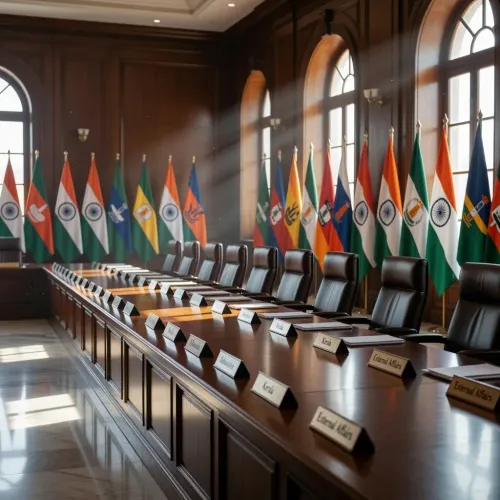
The Ministry of Mines convenes these conferences to bring together state mining departments — the agencies that actually issue leases and supervise operations on the ground — alongside environmental regulators and industry. The gathering in Goa represents the fourth such high-level convening, signalling that this is now a standing institutional rhythm, not a one-off summit.
Why Goa, and Why This Matters Beyond the Podium
Goa carries its own weight in this conversation. The state has lived through decades of contested mining — environmental litigation, community displacement, and multiple Supreme Court-ordered suspensions of iron ore operations. Hosting a national conference on responsible mine closure and ecological restoration here is not incidental. It grounds the policy debate in a geography that has felt the costs of extraction most acutely.
The broader challenge the Centre faces is making 'sustainable mining' concrete at scale. India's mineral-rich states — from Jharkhand and Odisha to Rajasthan and Chhattisgarh — have hundreds of legacy mines with dormant or incomplete closure plans. Any serious push on environmental restoration will require both updated central guidelines and dedicated funding mechanisms for ecological recovery projects, two levers that observers are watching closely in the wake of this conference.
Reddy's post to the @MinesMinIndia handle signals that the ministry intends to keep this momentum visible and public — the question now is whether conference communiqués translate into enforceable timelines on the ground.
Point of View
Not a constraint. The choice of Goa as the venue adds credibility but also pressure, given the state's fraught mining history. If the Centre can produce binding timelines and a funded rehabilitation mechanism, this conference could mark a genuine inflection point; if it ends in another non-binding communiqué, the gap between policy rhetoric and ground-level practice will only widen.
NationPress
6 Nov 2026
Frequently Asked Questions
What was discussed at the 4th Conference of Mining Ministers in Goa?
The conference focused on sustainable mining practices, responsible mine closure, and environmental restoration, with Union Minister G. Kishan Reddy highlighting the government's commitment to aligning extraction with ecological and community welfare goals.
What is India's policy on mine closure?
The National Mineral Policy 2019 made scientific mine closure a priority, and the MMDR Amendment Acts of 2020 and 2021 introduced stronger provisions for expedited closures and site rehabilitation across India.
Why was the Mining Ministers Conference held in Goa?
Goa has a long and contested history with iron ore mining, including Supreme Court-ordered suspensions, making it a symbolically resonant location for a national discussion on responsible mine closure and environmental restoration.
What is G. Kishan Reddy's role in India's mining sector?
G. Kishan Reddy serves as Union Minister of Coal and Mines and is the BJP's Telangana state president, overseeing national mineral development policy and mine regulation under the Ministry of Mines.
What should we watch for after the Goa Mining Ministers Conference?
Key developments to track include state-level adoption of updated mine closure guidelines and any announcement of central funding mechanisms dedicated to ecological restoration of legacy mine sites.