India's current account deficit at 1.5% of GDP in Q2 CY26: HSBC
Synopsis
India's current account deficit is running at 1.5% of GDP through June 2026, with the overall balance of payments also in deficit for the quarter, according to HSBC Global Investment Research. While non-oil export growth and incoming NRI deposits offer some relief, widening non-oil non-gold trade gaps and El Niño-driven food inflation risks cloud the near-term outlook.
Key Takeaways
India's current account deficit is tracking at 1.5% of GDP for Q2 CY26 (ending June 2026), per HSBC Global Investment Research .
Goods trade deficit widened to $30.4 billion in June from $28.2 billion in March; net non-oil, non-gold deficit reached $15 billion .
Non-oil export growth expanded for a third straight month , averaging 8% month-on-month , aided by lower US tariffs.
June CPI inflation rose to 4.4% year-on-year ; HSBC forecasts inflation to average nearly 5% in FY27 .
El Niño conditions and below-normal reservoir levels are expected to keep food prices elevated in coming months.
NRI deposit inflows under the RBI's forex scheme are expected to improve the external position from Q3 CY26 onwards.
India's current account deficit (CAD) is tracking at approximately 1.5 per cent of GDP for the second quarter of calendar year 2026, ending June 2026, according to a report by HSBC Global Investment Research released on Tuesday, 14 July. The capital account and the overall balance of payments are also likely to remain in deficit for the quarter, the report noted.
Trade Deficit Widens Modestly
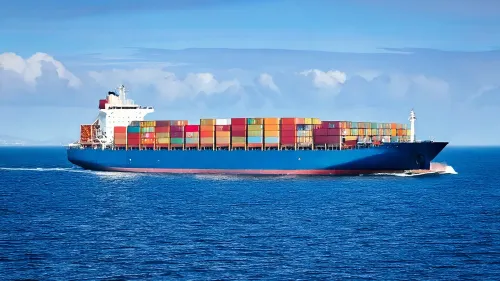
India's goods trade deficit widened modestly to $30.4 billion in June 2026, up from $28.2 billion in March 2026. Softer global oil and gold prices kept the net oil trade deficit steady at $14.5 billion and the gold trade deficit flat. However, the net non-oil, non-gold trade deficit widened to $15 billion, reflecting broader import pressures.
Export Growth Stands Out
Non-oil export growth was a bright spot, expanding for a third consecutive month with average growth of approximately 8 per cent month-on-month. Lower US tariffs created a window for Indian exporters to accelerate shipments. Exports to the United States grew an average of 5 per cent month-on-month in Q2 2026, with engineering goods, electronics, and gems and jewellery reporting strong sequential growth.
External Position and Capital Flows
Debt inflows picked up in June, and the external position is expected to improve as non-resident Indian (NRI) deposits under the Reserve Bank of India's (RBI) foreign-exchange scheme begin to flow through later in the third quarter. This could provide a meaningful buffer to the overall balance of payments position in the coming months.
Inflation Trends and Food Prices
June CPI inflation came in at 4.4 per cent year-on-year, higher than the previous month. Excluding gold and silver, headline CPI stood at 3.6 per cent year-on-year. The HSBC report noted that inflation has not become broad-based as yet, with its diffusion index indicating that roughly 70 per cent of items in the CPI basket are still rising at less than 4 per cent year-on-year.
Food inflation rose higher than anticipated, led by a broad-based rise in cereals, protein items including milk, eggs, meat, and fish, and edible oil. Vegetable prices deflated in sequential terms despite sharp rises in tomato, chilli, and garlic prices. The report flagged that El Niño conditions are likely to intensify further, with temperatures trending above normal and reservoir levels below the same period last year — factors that could keep food prices elevated in the near term.
The HSBC report forecasts inflation to average nearly 5 per cent in FY27, suggesting price pressures will remain a watchpoint for policymakers even as the deficit picture gradually stabilises.
Point of View
But the composition of the widening trade gap deserves scrutiny — the non-oil, non-gold deficit expanding to $15 billion signals that import demand beyond commodities is rising even as global prices ease. The export uptick is real but fragile: it is partly a tariff-window effect, and if US trade policy shifts again, that momentum could reverse quickly. Meanwhile, a CPI forecast of nearly 5% for FY27 puts the RBI in an uncomfortable spot — easing room narrows just as growth needs support. The El Niño overlay on food prices is the wildcard that mainstream coverage tends to underweight.
NationPress
14 Jul 2026
Frequently Asked Questions
What is India's current account deficit for Q2 CY26?
India's current account deficit is tracking at approximately 1.5 per cent of GDP for the second quarter of calendar year 2026, ending June 2026, according to HSBC Global Investment Research. The capital account and overall balance of payments are also likely to remain in deficit for the quarter.
Why did India's goods trade deficit widen in June 2026?
India's goods trade deficit widened modestly to $30.4 billion in June 2026 from $28.2 billion in March 2026. While softer oil and gold prices kept those components stable, the net non-oil, non-gold trade deficit expanded to $15 billion, driving the overall widening.
How did Indian exports perform in Q2 CY26?
Non-oil export growth was a standout, expanding for a third consecutive month with average growth of about 8 per cent month-on-month. Exports to the US grew an average of 5 per cent month-on-month, led by engineering goods, electronics, and gems and jewellery, partly aided by lower US tariffs.
What is the inflation outlook for India in FY27?
HSBC Global Investment Research forecasts inflation to average nearly 5 per cent in FY27. June CPI came in at 4.4 per cent year-on-year, with food inflation rising faster than expected due to higher cereal, protein, and edible oil prices. El Niño conditions and below-normal reservoir levels are expected to keep food prices elevated.
When will India's external position improve?
The external position is expected to improve from the third quarter of CY26 onwards, as NRI deposit inflows under the RBI's foreign-exchange scheme begin to materialise and debt inflows that picked up in June continue to provide support.