Jal Shakti Minister Paatil Reviews SBM-G IEC Activities in Delhi
Synopsis
Union Jal Shakti Minister C. R. Paatil chaired a review of Swachh Bharat Mission (Gramin) IEC activities in New Delhi on 14 July 2026, calling for innovations that transform sanitation from a government campaign into a sustained, community-driven movement in rural India.
Key Takeaways
Union Jal Shakti Minister C.
Paatil chaired a review meeting in New Delhi on 14 July 2026 on SBM-G public awareness and IEC activities.
Paatil stressed that sanitation must evolve into a 'movement of public participation' ( janbhagidari ka andolan ), not remain a top-down campaign.
The ministry called for innovations to increase active community engagement and produce lasting cleanliness outcomes in villages.
The Swachh Bharat Mission was launched on 2 October 2014 ; Phase 2 (2020) focuses on ODF Plus sustainability and solid-liquid waste management.
The Ministry of Jal Shakti is the nodal body for SBM-G, with village panchayats and rural communities as primary stakeholders.
Progress on ODF Plus villages and new IEC guidelines are the key indicators to watch in the coming months.
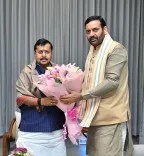
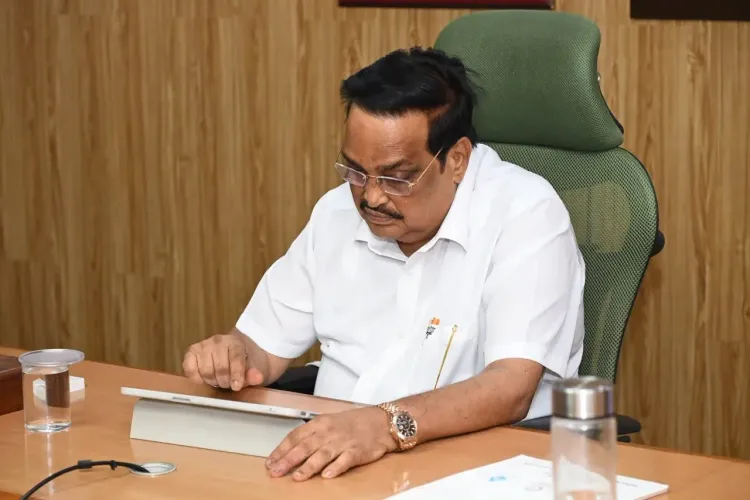
Union Jal Shakti Minister C. R. Paatil on Tuesday, 14 July 2026, chaired a review meeting in New Delhi to assess public awareness and Information, Education and Communication (IEC) activities under the Swachh Bharat Mission (Gramin), reaffirming the government's push to deepen community participation in rural sanitation.
Context
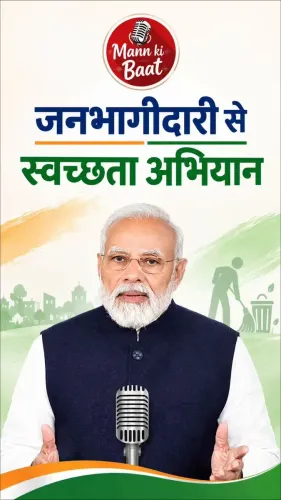
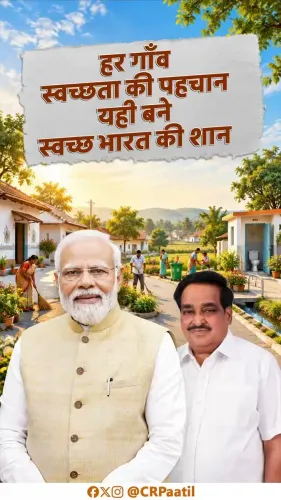
Posting on X in Hindi, Minister Paatil stated: 'स्वच्छता केवल एक अभियान नहीं, बल्कि जनभागीदारी का आंदोलन बने' — 'Sanitation should not remain merely a campaign, but become a movement of public participation.' He underscored the need for innovations that increase active community engagement and deliver lasting cleanliness outcomes in villages.
Paatil added that the ministry is working 'with full commitment' to strengthen Prime Minister Narendra Modi's resolve for a clean and healthy India through public participation, using the Hindi phrase 'जनसहभागिता' (jan-sahbhagita, meaning people's co-participation) to frame the goal.
Policy Backdrop
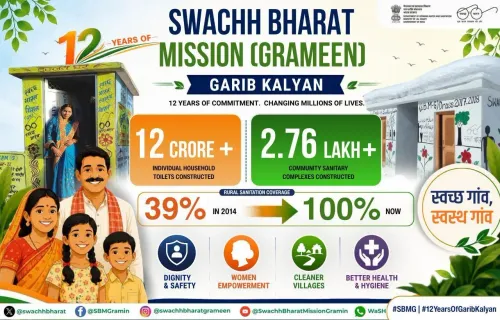
The Swachh Bharat Mission was launched by Prime Minister Modi on 2 October 2014, targeting open-defecation-free (ODF) status across rural India by 2019. Phase 2 of SBM-G, approved in 2020, shifted focus toward ODF Plus sustainability — covering solid and liquid waste management beyond the initial toilet-construction drive.
IEC activities are a core pillar of this second phase, designed to shift community behaviour rather than simply build infrastructure. The Ministry of Jal Shakti, which oversees both water resources and rural sanitation, has been the nodal ministry for SBM-G since its restructuring under the current government.
Stakeholders and Impact
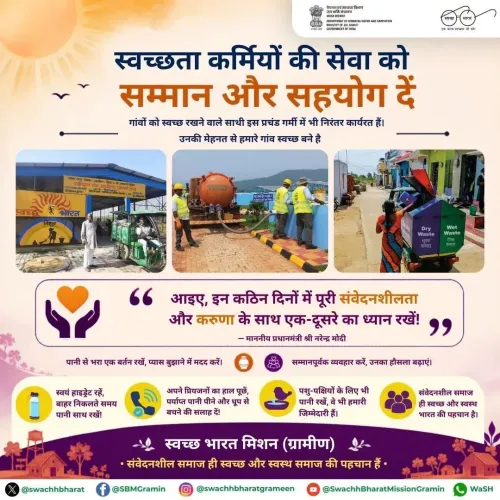
Rural communities and village panchayats are the primary stakeholders of SBM-G's IEC outreach. The meeting's emphasis on 'innovative' approaches signals an intent to go beyond conventional awareness drives — posters, rallies, and radio spots — toward participatory models that make villagers active agents of sanitation governance.
Sustained ODF Plus status requires continuous behavioural reinforcement, and IEC spending and design directly affect whether villages maintain open-defecation-free conditions over time. Paatil's review signals ministerial-level attention to whether current messaging strategies are producing measurable, durable results on the ground.
What's Next
The ministry is expected to issue updated IEC guidelines or state-level directives in the coming months, with progress on ODF Plus villages serving as the key benchmark. State governments and district administrations will likely face fresh performance reviews tied to community participation metrics.
With the Swachh Bharat Mission now in its twelfth year, the political emphasis is shifting from headline numbers — toilets built, villages declared ODF — to the harder, less visible work of sustaining behavioural change, a challenge that IEC innovation is being asked to solve.
Point of View
Paatil is deploying the political vocabulary of Jan Andolan that Prime Minister Modi has consistently favoured, tying bureaucratic review to a broader mass-mobilisation narrative. The emphasis on IEC 'innovation' suggests dissatisfaction with conventional awareness tools and a search for participatory formats — community theatre, social media, panchayat-led monitoring — that can outlast government funding cycles. Whether this ministerial intent translates into measurable ODF Plus sustainability will be the real test in the months ahead.
NationPress
13 Oct 2026
Frequently Asked Questions
What is Swachh Bharat Mission Gramin and who oversees it?
Swachh Bharat Mission (Gramin), or SBM-G, is a central government programme to improve rural sanitation and eliminate open defecation. It is overseen by the Ministry of Jal Shakti, currently headed by Minister C. R. Paatil.
What did C. R. Paatil say at the SBM-G review meeting on 14 July 2026?
Paatil said sanitation should not remain merely a campaign but become a movement of public participation, and called for innovative IEC activities to increase community engagement and deliver lasting cleanliness in villages.
What is ODF Plus under Swachh Bharat Mission Phase 2?
ODF Plus is the sustainability focus of SBM-G Phase 2, approved in 2020, which goes beyond toilet construction to cover solid and liquid waste management and the long-term maintenance of open-defecation-free status.
What are IEC activities in the context of Swachh Bharat Mission?
IEC stands for Information, Education and Communication. Under SBM-G, IEC activities include awareness campaigns, community outreach, and behaviour-change communication aimed at making rural populations active participants in maintaining sanitation standards.
When was Swachh Bharat Mission launched and what was its original goal?
Swachh Bharat Mission was launched by Prime Minister Narendra Modi on 2 October 2014, with the goal of making India open-defecation-free by 2019 through toilet construction and behaviour change in rural and urban areas.