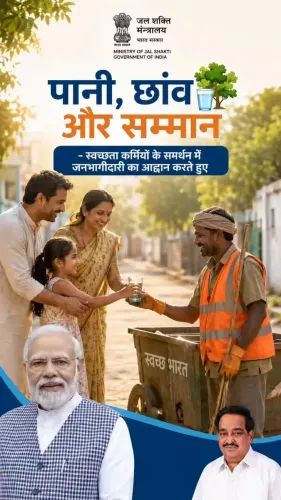
Jal Shakti Minister Paatil calls for dignity for sanitation workers in peak summer
Synopsis
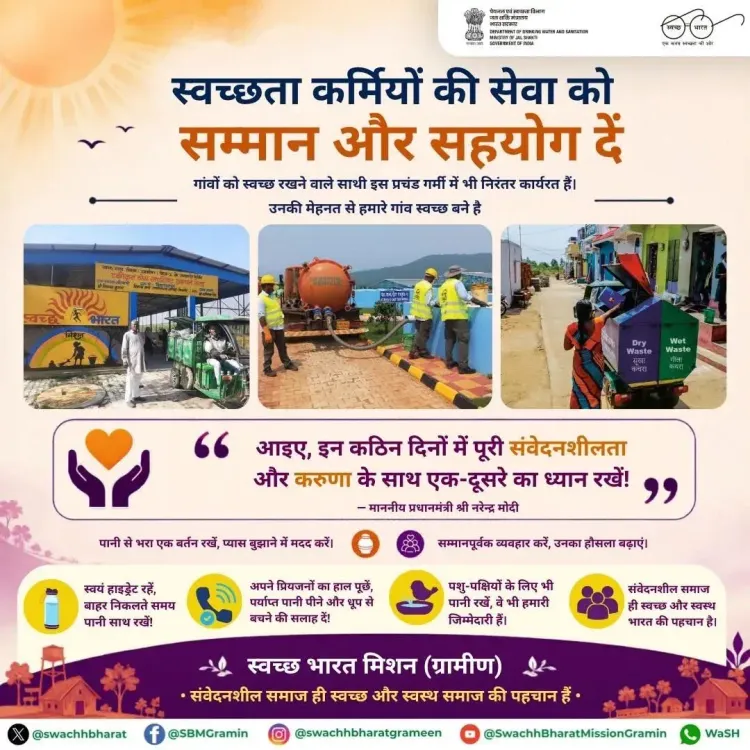
Union Jal Shakti Minister C. R. Paatil has urged citizens to respect, support and provide clean water and rest to sanitation workers keeping villages healthy during peak summer, framing their work as a vital public-health and nation-building service under the Swachh Bharat Mission.
Key Takeaways
Union Jal Shakti Minister C.
Paatil posted his appeal on 29 May 2026 , at the height of India's summer season.
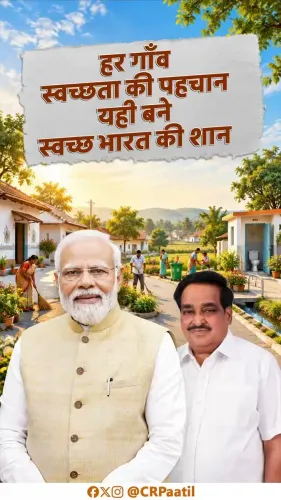
He called on all citizens to ensure clean drinking water, rest facilities and dignified treatment for sanitation workers in villages and communities.
The minister framed sanitation work as a contribution to public health and social welfare , not merely cleanliness.
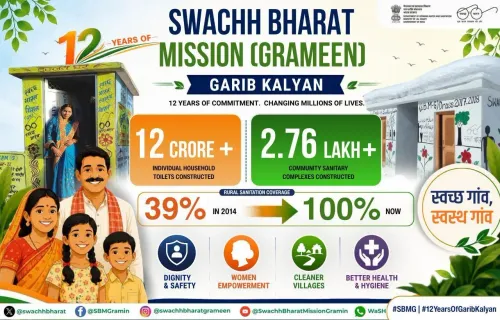
The appeal is anchored in Swachh Bharat Mission (Gramin) , launched on 2 October 2014 and extended through Phase II in 2020 .
The Ministry of Jal Shakti , formed in May 2019 , integrates sanitation with drinking-water supply under one ministry.
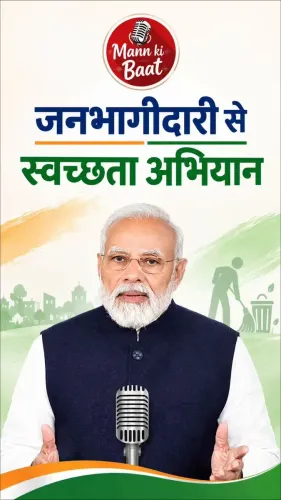
Paatil invoked Prime Minister Narendra Modi's vision of turning service, sensitivity and respect into a mass movement — Jan Andolan .
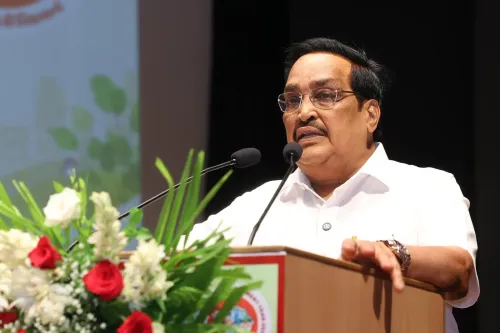
Union Jal Shakti Minister C. R. Paatil on Friday, 29 May 2026 called on citizens and communities across India to show respect, extend support and ensure clean drinking water and rest facilities for sanitation workers toiling through the peak summer heat to keep villages clean and disease-free.
Context
Posting in Hindi on X, Minister Paatil framed his appeal around three values — seva, samvedanshilta aur samman (service, sensitivity and respect) — which he said must be turned into a mass movement under the guidance of Prime Minister Narendra Modi. He acknowledged that sanitation workers are operating under extreme conditions, describing their contribution as extending far beyond cleanliness to encompass 'public health and social welfare.'
The minister directly appealed to the public: 'I urge all of you to strengthen this spirit of service and dedication, and express your gratitude to all those sanitation colleagues who, in every circumstance, are advancing this important campaign of nation-building.'
Policy Backdrop
The appeal is rooted in the Swachh Bharat Mission (Gramin), launched by Prime Minister Narendra Modi on 2 October 2014 to achieve universal rural sanitation coverage. Phase II, approved in 2020, shifted focus to sustaining open-defecation-free outcomes and strengthening solid and liquid waste management in villages.
The Ministry of Jal Shakti, formed in May 2019 by merging drinking-water and sanitation departments, placed both hygiene infrastructure and water supply under a single administrative umbrella. This integration has allowed the ministry to link Swachh Bharat Mission (Gramin) with the Jal Jeevan Mission, reinforcing the argument that safe drinking water and sanitation are inseparable public-health goals.
Paatil's post carried the hashtags #SwachhBharatMission, #SBMG, #ViksitBharat, #JanBhagidari, #SwachhataHiSeva and #SWMRules2026, signalling alignment with the government's broader 'Developed India' vision and community-participation framework.
Stakeholders and Impact
Sanitation workers — employed by gram panchayats and urban local bodies — form the operational backbone of Swachh Bharat Mission (Gramin). During summer months, exposure to high temperatures, limited shade and inadequate access to drinking water poses acute occupational health risks for this workforce.
Rural communities stand to benefit directly: consistent waste collection and sanitation maintenance during summer prevents the spread of waterborne and vector-borne diseases. Paatil's call for communities to ensure 'clean drinking water, rest arrangements and dignified treatment' for sanitation workers effectively asks citizens to act as co-administrators of local public health.
What's Next
Attention will now turn to whether state governments and gram panchayats issue specific directives on rest shelters, potable water points and protective gear for sanitation staff ahead of the hottest weeks of the year. Any updates from the Ministry of Jal Shakti on SBM-G targets and community-participation benchmarks for the current financial year will be closely watched by rural-governance observers and sanitation-sector stakeholders alike.
Point of View
The ministry subtly reinforces the Jal Jeevan Mission–SBM-G integration narrative, presenting Jal Shakti as a holistic welfare ministry rather than a narrow infrastructure department. The call for community co-responsibility also pre-empts criticism about inadequate state provisioning by distributing the moral obligation to ordinary citizens. Ahead of any SBM-G target reviews, such messaging helps sustain political ownership of the sanitation agenda.
NationPress
13 Oct 2026
Frequently Asked Questions
What did C. R. Paatil say about sanitation workers in summer 2026?
Minister C. R. Paatil urged citizens to provide clean drinking water, rest facilities and dignified treatment to sanitation workers who are maintaining village cleanliness and public health during the intense summer heat.
What is Swachh Bharat Mission Gramin and who oversees it?
Swachh Bharat Mission (Gramin) is a rural sanitation programme launched on 2 October 2014 to achieve open-defecation-free villages and improve waste management. It is overseen by the Ministry of Jal Shakti, formed in May 2019.
Why are sanitation workers considered important for public health in India?
Sanitation workers collect and manage solid and liquid waste in villages, directly preventing the spread of waterborne and vector-borne diseases. Their work is especially critical in summer when heat accelerates disease transmission.
What is the Jan Andolan concept in the context of Swachh Bharat?
Jan Andolan, meaning 'people's movement,' is the government's framing of Swachh Bharat as a citizen-driven mission rather than a top-down scheme — relying on community participation, behavioural change and public gratitude toward frontline workers.
What facilities should communities provide to sanitation workers in summer?
According to Minister Paatil's appeal, communities should ensure clean drinking water, adequate rest arrangements and respectful treatment for sanitation workers, particularly during the hottest months of the year.