Jal Shakti Minister CR Paatil Honours Sanitation Workers in Navsari
Synopsis
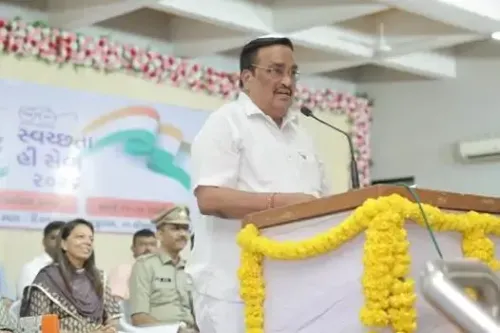
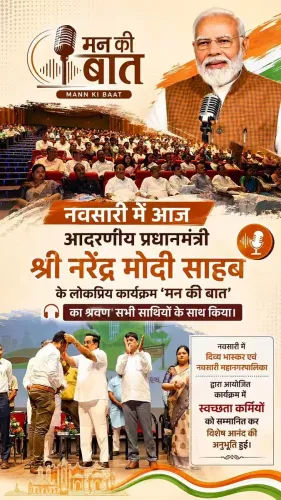
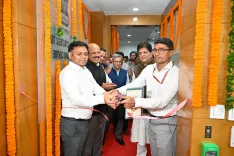
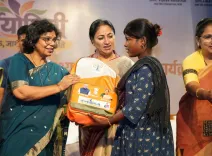
Union Jal Shakti Minister C. R. Paatil attended a felicitation event for sanitation workers in Navsari, Gujarat, on 31 May 2026, co-organised by Divya Bhaskar and Navsari Municipal Corporation. He praised the workers as 'karmayogi' and linked their service to PM Modi's Swachh Bharat Mission and the Viksit Bharat vision.
Key Takeaways
Paatil , Union Minister of Jal Shakti, attended a sanitation-worker felicitation event in Navsari, Gujarat on 31 May 2026 .
The event was jointly organised by Divya Bhaskar and the Navsari Municipal Corporation .
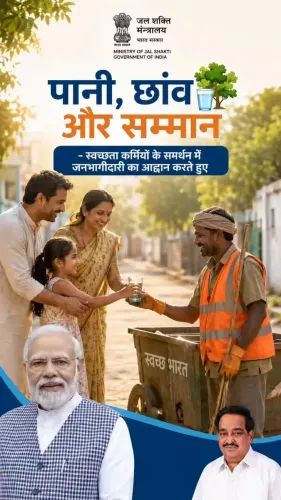
Paatil described sanitation workers as 'karmayogi' — invaluable treasures of society — who work under adverse conditions to keep cities clean.
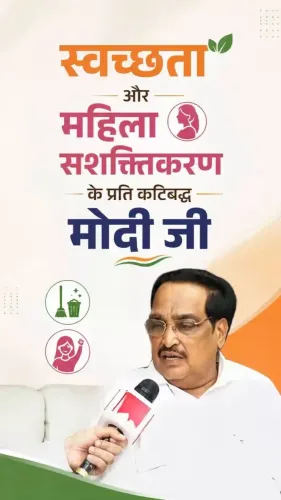
He credited Prime Minister Narendra Modi's leadership as the foundation of India's cleanliness resolve under the Swachh Bharat Mission , launched on 2 October 2014 .
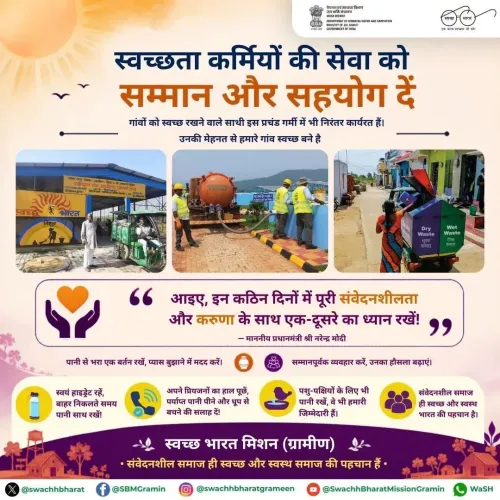
The minister called protecting the honour and dignity of sanitation workers a collective responsibility of all citizens.
The post used hashtags #SwachhBharat , #SevaHiSankalp and #ViksitBharat , linking the local event to the national development narrative.
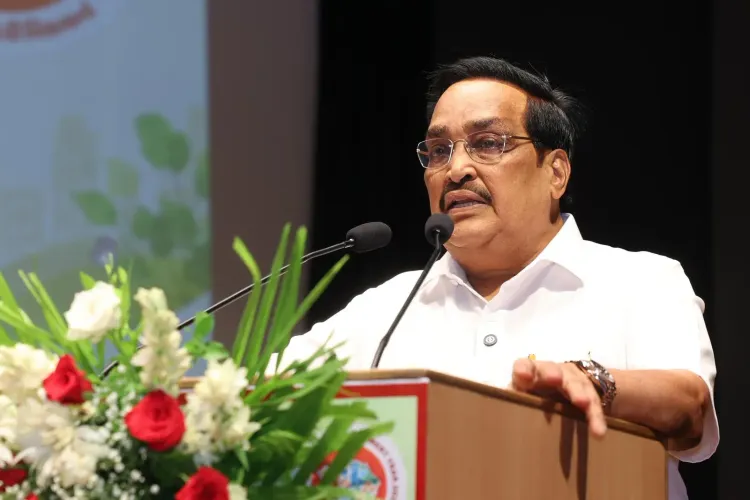
Union Jal Shakti Minister C. R. Paatil on Sunday, 31 May 2026, attended an event in Navsari, Gujarat, jointly organised by Divya Bhaskar and the Navsari Municipal Corporation, where sanitation workers were felicitated for their contribution to keeping the city clean. Paatil credited Prime Minister Narendra Modi's leadership as the driving force behind the national resolve on cleanliness, calling sanitation not merely a duty but the highest form of service to society and the nation.
Context
Posting in Hindi on X, Paatil wrote: 'नवसारी में दिव्य भास्कर एवं नवसारी महानगरपालिका द्वारा आयोजित कार्यक्रम में स्वच्छता कर्मियों को सम्मानित कर विशेष आनंद की अनुभूति हुई' — ('It was a matter of special joy to honour sanitation workers at the event organised by Divya Bhaskar and Navsari Municipal Corporation in Navsari.'). He described the workers as 'karmayogi' — devoted workers — who maintain the city as clean, healthy and beautiful even in adverse conditions, calling them 'invaluable treasures of society.'
The minister concluded his post with a salute to the workers' contribution, hard work and spirit of service toward realising the Swachh Bharat mission, adding that protecting their honour and dignity is a collective responsibility of all citizens.
Policy Backdrop
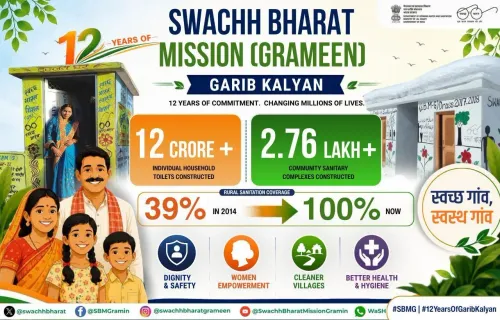
The event is anchored in the Swachh Bharat Mission, launched by Prime Minister Narendra Modi on 2 October 2014 — Gandhi Jayanti — with the goal of achieving open-defecation-free status and improved sanitation across urban and rural India. The mission was later extended in successive phases, with Swachh Bharat Mission-Urban 2.0 focusing on waste processing, source segregation and the dignity of sanitation workers.
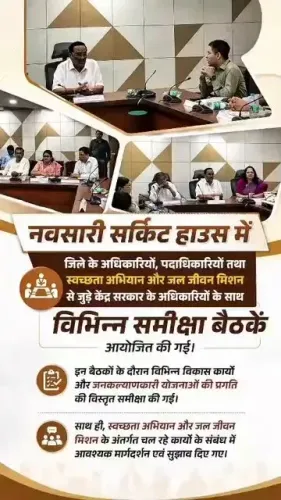
The Jal Shakti Ministry, created in May 2019 by merging the Ministry of Drinking Water and Sanitation with water-resources functions, now oversees rural sanitation as a single administrative umbrella. Paatil's participation in a civic-level felicitation event reflects the ministry's sustained emphasis on ground-level implementation and worker recognition as pillars of the broader programme.
Stakeholders and Impact
Sanitation workers — often referred to as safai karmacharis — remain among the most underrecognised segments of India's urban workforce, performing essential solid-waste management and street-cleaning functions for urban local bodies such as the Navsari Municipal Corporation. Public felicitation events led by senior ministers serve a dual purpose: acknowledging individual effort and reinforcing the behavioural-change messaging at the core of the Swachh Bharat programme.
The hashtags used by Paatil — #SwachhBharat, #Navsari, #SevaHiSankalp and #ViksitBharat — link the local event to the government's broader Viksit Bharat (Developed India) narrative, signalling that sanitation is framed as a foundational pillar of the country's development ambitions.
What's Next
The central government is expected to release progress reports on Swachh Bharat Mission-Urban 2.0 in the coming months, with stakeholders watching for any fresh budgetary allocations toward sanitation-worker welfare in the next Union Budget or parliamentary session. Events like the Navsari felicitation are likely to multiply ahead of those announcements, as the government reinforces its public messaging around the mission's achievements and its commitment to worker dignity.
Point of View
Human-interest optics rather than infrastructure metrics alone. By invoking the 'Viksit Bharat' frame alongside 'Swachh Bharat', the minister signals that sanitation is being repositioned as a development milestone, not merely a hygiene programme. The emphasis on worker dignity — calling their honour a 'collective responsibility' — also addresses a persistent criticism that safai karmacharis remain socially marginalised despite the mission's decade-long run. Ahead of expected Swachh Bharat Urban 2.0 progress disclosures, such events build political goodwill while reinforcing ministerial ownership of the mission's narrative.
NationPress
15 Oct 2026
Frequently Asked Questions
Who is C. R. Paatil and what ministry does he head?
C. R. Paatil is the Union Minister of Jal Shakti in the Government of India, a senior BJP leader and former Gujarat state BJP president. The Jal Shakti Ministry oversees drinking water supply and sanitation, including the Swachh Bharat Mission's rural component.
What is the Swachh Bharat Mission?
The Swachh Bharat Mission is a national cleanliness programme launched by Prime Minister Narendra Modi on 2 October 2014, aimed at achieving open-defecation-free status and improving sanitation infrastructure across urban and rural India. It has been extended in multiple phases, with Swachh Bharat Mission-Urban 2.0 focusing on waste processing and worker welfare.
What happened at the Navsari sanitation worker event on 31 May 2026?
Union Jal Shakti Minister C. R. Paatil attended a felicitation ceremony for sanitation workers in Navsari, Gujarat, co-organised by Divya Bhaskar and the Navsari Municipal Corporation. Workers were honoured for their dedicated service in keeping the city clean, healthy and beautiful.
Why did C. R. Paatil call sanitation workers 'karmayogi'?
Paatil used the term 'karmayogi' — meaning a devoted worker who performs duty selflessly — to highlight the commitment of sanitation workers who continue their work even in adverse conditions. The term is also associated with the government's Karmayogi capacity-building programme for public servants, reinforcing the dignity-of-labour message.
What is Swachh Bharat Mission-Urban 2.0?
Swachh Bharat Mission-Urban 2.0 is the second phase of the urban cleanliness programme, focusing on making all cities garbage-free, improving source segregation of waste, and enhancing the welfare and dignity of sanitation workers. Progress reports and fresh budgetary allocations for the phase are expected to be disclosed in coming parliamentary sessions.