Jal Shakti Minister C.R. Patil urges collective cleanliness pledge on Swachh Bharat Diwas
Synopsis
On Swachh Bharat Diwas, Jal Shakti Minister C.R. Patil took cleanliness messaging beyond slogans — felicitating sanitation workers at a Gram Sabha in Gujarat's Navsari and pushing a structured digital accountability tool, the Swachh Seva Aankalan, for panchayat-level sanitation tracking under SHS 2026.
Key Takeaways
Union Jal Shakti Minister C.R.
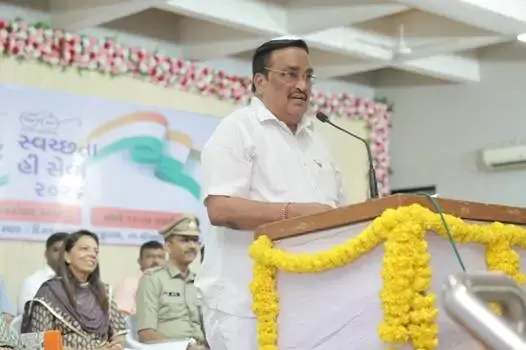
Patil addressed a Special Gram Sabha at Majigam village, Navsari, Gujarat on 2 October 2026 — Swachh Bharat Diwas .
Patil called for cleanliness to be a collective responsibility and not a one-day campaign, while felicitating sanitation workers .
Discussions covered Swachhata Hi Seva (SHS) 2026 , the Solid Waste Management Rules, 2026 , and the Swachh Seva Aankalan digital self-assessment framework.
Special Gram Sabhas were organised across rural India on the same date as part of SHS 2026 activities.
Outcomes are to be integrated into Panchayat Development Plans (GPDPs) for grassroots implementation.
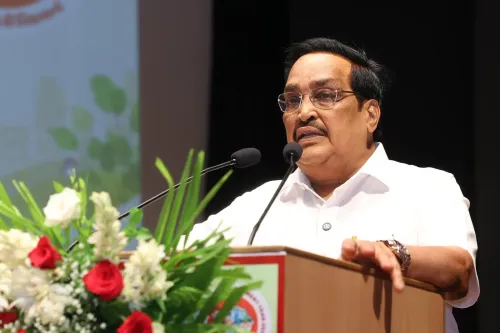
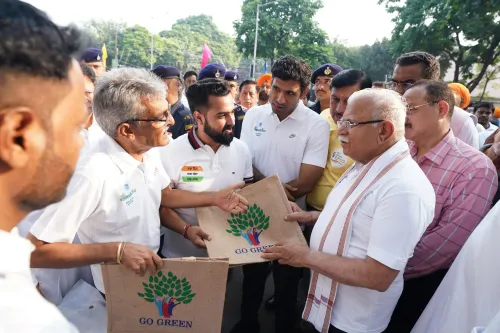
Union Jal Shakti Minister C.R. Patil on 2 October 2026 called upon citizens to make cleanliness an integral part of daily behaviour and collective responsibility, urging everyone not to litter and to actively discourage others from doing so. Patil made the appeal while participating in a Special Gram Sabha at Majigam village in Chikhli Block, Navsari District, Gujarat, on the occasion of Swachh Bharat Diwas.
Key Remarks by the Minister
Felicitating sanitation workers at the event, Patil stressed that cleanliness must be a sustained collective commitment and not merely a one-day campaign. He invoked the legacy of Mahatma Gandhi, recalling Gandhi's emphasis on 'Swachhata' alongside 'Swatantrata', and noted that the most significant post-Independence efforts on sanitation have been undertaken under the leadership of Prime Minister Narendra Modi.
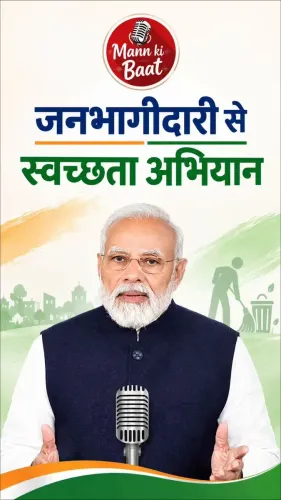
'Under this, a nationwide Jan Andolan in the form of Swachh Bharat Mission has transformed the rural sanitation scenario. This Janbhagidari for Swachh Bharat continues to drive the mission at grassroots level,' Patil said.
What the Special Gram Sabha Covered
The gathering focused on several key sanitation agenda items, including the achievements of Swachhata Hi Seva (SHS) 2026, the Solid Waste Management Rules, 2026, and the Swachh Seva Aankalan — a Gram Panchayat-level annual digital self-assessment framework. A senior ministry official delivered a presentation on the Swachh Seva Aankalan framework during the session.
The Special Gram Sabha also provided a platform to review four-way source segregation practices in line with the Solid Waste Management Rules, identify and register bulk waste generators, and integrate gap assessments into Panchayat Development Plans (GPDPs) for coordinated grassroots implementation.
Who Attended
The event was attended by Gujarat Minister Naresh Patel, Joint Secretary and Mission Director of Swachh Bharat Mission (Grameen) Aishvarya Singh, the District Collector, the District Development Officer, and senior officials from state and district administration, according to an official statement.
National Context
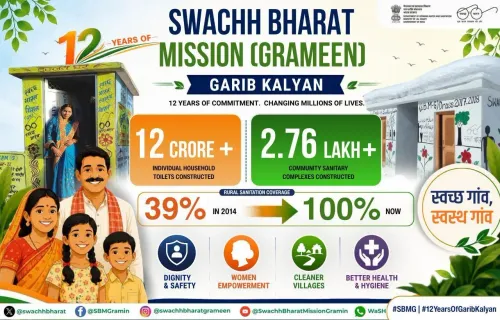
On 2 October 2026, Special Gram Sabhas were organised across rural India as a flagship activity under SHS 2026. These assemblies served as a mechanism for Gram Panchayats and rural communities to collectively review local sanitation outcomes, waste management progress, and the status of ODF Plus (Model) designations. This comes amid the government's continued push to institutionalise sanitation gains made under the Swachh Bharat Mission since its launch in 2014. Notably, the annual Swachh Bharat Diwas has increasingly been used to roll out policy-level directives down to the panchayat tier, signalling a shift from awareness campaigns to structured accountability frameworks at the grassroots.
The next phase of SHS implementation, including follow-up on GPDPs, is expected to be tracked through the Swachh Seva Aankalan digital assessment tool in the months ahead.
Point of View
But the more substantive signal here is the Swachh Seva Aankalan — a digital self-assessment tool at the panchayat level that, if implemented rigorously, could shift sanitation governance from photo-opportunity to measurable accountability. The Swachh Bharat Mission's early gains on open-defecation-free status were real but contested on methodology; a structured annual data framework at the GP tier addresses exactly that credibility gap. Whether panchayats have the capacity and incentive to self-report accurately remains the open question. The Centre's challenge is to make the tool a genuine performance mirror rather than another compliance checkbox.
NationPress
3 Oct 2026
Frequently Asked Questions
What did Jal Shakti Minister C.R. Patil say on Swachh Bharat Diwas 2026?
C.R. Patil urged citizens to make cleanliness an integral part of daily life and collective responsibility, saying it should not be reduced to a one-day campaign. He made the remarks at a Special Gram Sabha in Majigam village, Navsari, Gujarat on 2 October 2026, where he also felicitated sanitation workers.
What is Swachh Seva Aankalan?
Swachh Seva Aankalan is a Gram Panchayat-level annual digital self-assessment framework introduced under the Swachh Bharat Mission. It is designed to help panchayats evaluate their own sanitation and waste management performance and feed gaps into their development plans.
What is Swachhata Hi Seva 2026?
Swachhata Hi Seva (SHS) 2026 is the annual cleanliness campaign run under the Swachh Bharat Mission framework. In 2026, it included Special Gram Sabhas organised across rural India on 2 October — Swachh Bharat Diwas — to review local sanitation outcomes and waste management progress.
Who attended the Special Gram Sabha in Navsari?
The Gram Sabha was attended by Union Minister C.R. Patil, Gujarat Minister Naresh Patel, Joint Secretary and Swachh Bharat Mission (Grameen) Director Aishvarya Singh, the District Collector, the District Development Officer, and senior state and district officials.
What are the Solid Waste Management Rules 2026?
The Solid Waste Management Rules, 2026 govern how solid waste is to be handled at the panchayat level, including mandatory four-way source segregation. The rules were a key discussion item at the Special Gram Sabhas held on Swachh Bharat Diwas to align local practice with the national framework.