CM Bhagwant Mann opens 154 Aam Aadmi Clinics, launches women's welfare scheme

Synopsis
Chief Minister Bhagwant Mann inaugurated 154 Aam Aadmi Clinics in Hoshiarpur on 15 October 2026 and announced the Mawan-Dhiyan Satkar Yojana, a new scheme crediting quarterly 'honour payments' directly into the bank accounts of women across Punjab.
Key Takeaways
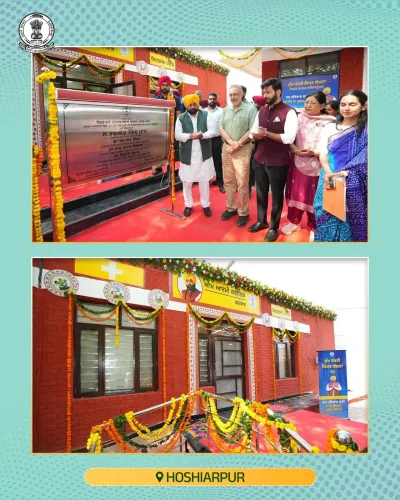
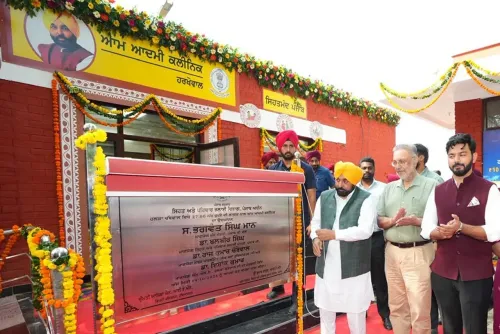
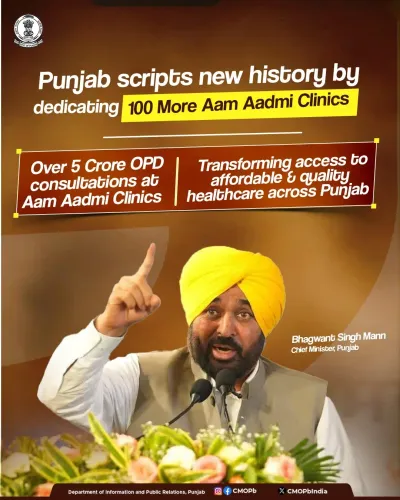
154 new Aam Aadmi Clinics were inaugurated at a state-level event in village Harkhowal, Hoshiarpur district on 15 October 2026 .
The clinics offer free consultations, medicines, and diagnostic tests to residents, targeting out-of-pocket health costs in rural Punjab.
CM Bhagwant Mann announced the Mawan-Dhiyan Satkar Yojana , under which a 'Sanman Rashi' will be deposited into women's bank accounts every three months .
The Aam Aadmi Clinics network is the AAP government's flagship health initiative since coming to power in March 2022.
Both programmes target rural and low-income households in Punjab, consistent with the party's broader welfare architecture.
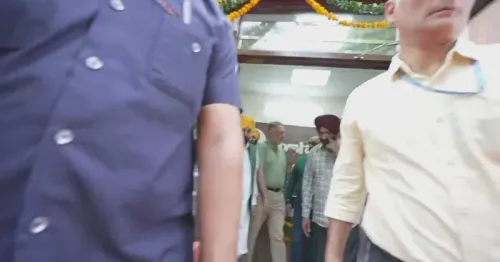
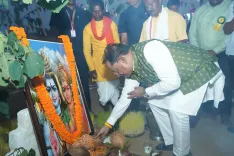
Free healthcare just got closer to hundreds of thousands of rural Punjabis. On Thursday, 15 October 2026, Chief Minister Bhagwant Singh Mann inaugurated 154 new Aam Aadmi Clinics at a state-level function in village Harkhowal, Hoshiarpur district — the latest wave in Punjab's fast-expanding primary-health grid. And he paired it with a fresh promise to the state's women.
154 clinics in a single day — Hoshiarpur hosts the rollout
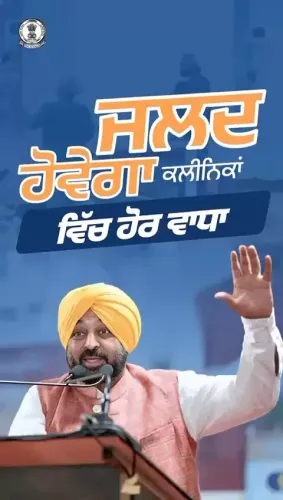
The venue was deliberate: Hoshiarpur, a largely agrarian district in northern Punjab where access to affordable outpatient care has historically meant a long commute or a steep private bill. With Thursday's batch, the state government dramatically extended the reach of its Aam Aadmi Clinics — neighbourhood health centres that offer free consultations, free medicines, and free diagnostic tests under one roof. The clinics are the Aam Aadmi Party government's most visible healthcare signature since it swept to power in March 2022, designed specifically to cut out-of-pocket expenditure for families who previously had to choose between groceries and a doctor's visit.
The Mawan-Dhiyan Satkar Yojana — a quarterly 'honour payment' for women
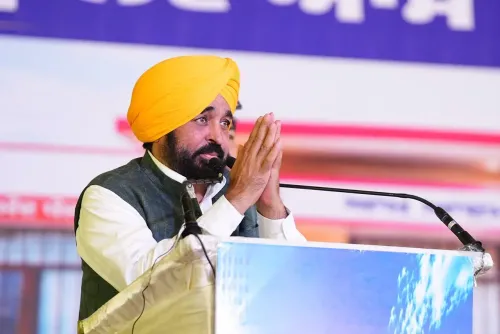
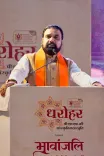
Addressing the crowd, CM Mann announced the launch of the 'Mawan-Dhiyan Satkar Yojana' — literally, the Mothers and Daughters Respect Scheme. Under the scheme, a 'Sanman Rashi' (honour amount) will be credited directly into the bank accounts of women in Punjab every three months. Mann framed the initiative as a matter of dignity — the government, he said, recognises and respects the contribution of Punjab's women with a tangible, recurring transfer rather than a one-time gesture.
The quarterly direct-benefit structure mirrors a now-familiar AAP playbook: recurring, measurable transfers that voters can track in their accounts. The party has used similar architecture in Delhi for power and water subsidies, and Punjab's rollout of women-targeted welfare since 2022 follows that logic — keeping accountability visible and the disbursement cycle short enough that beneficiaries feel the impact within months, not years.
Primary healthcare as a political and public-health bet
The Aam Aadmi Clinics expansion reflects a calculated wager: that strengthening the first rung of healthcare — the walk-in clinic — reduces pressure on district hospitals, curbs catastrophic health expenditure among low-income households, and builds durable electoral goodwill in rural constituencies. Punjab's rural belts, where landholding fragmentation and farm debt remain live concerns, are precisely the audience these clinics are designed to serve.
With this inauguration, the government signals that the clinic rollout is far from finished. Each fresh batch shifts the geography of free primary care further into blocks and villages that previously had none — and Thursday's 154-clinic tranche in a single event is among the larger single-day expansions in the scheme's history.
Two programmes, one stage, one afternoon in Hoshiarpur: Punjab's government is betting that putting a free clinic on your street and a quarterly payment in your account is the clearest answer it can give to the question of what governance looks like up close.
Point of View
Measurable benefits ahead of electoral cycles. The quarterly payment structure of the Mawan-Dhiyan Satkar Yojana is particularly notable: short disbursement cycles create repeat touchpoints with beneficiaries, making the scheme harder to dismiss as symbolic. Punjab's rural healthcare deficit has long been a vulnerability for successive state governments; the Aam Aadmi Clinics rollout is a direct attempt to close that gap at the community level rather than through costly hospital-building. Whether the pace of expansion can be matched by quality and staffing will be the harder question to answer.
NationPress
15 Oct 2026
Frequently Asked Questions
What are Aam Aadmi Clinics in Punjab?
Aam Aadmi Clinics are a network of government-run primary health centres in Punjab that provide free doctor consultations, medicines, and diagnostic tests. They were launched after the AAP government came to power in March 2022 as a flagship healthcare initiative.
What is the Mawan-Dhiyan Satkar Yojana?
The Mawan-Dhiyan Satkar Yojana, or Mothers and Daughters Respect Scheme, is a new Punjab government programme under which a 'Sanman Rashi' (honour payment) is credited directly into the bank accounts of women in the state every three months.
How many Aam Aadmi Clinics were inaugurated on 15 October 2026?
Chief Minister Bhagwant Mann inaugurated 154 new Aam Aadmi Clinics at a state-level function in village Harkhowal, Hoshiarpur district, on 15 October 2026.
Where was the Aam Aadmi Clinics inauguration event held?
The state-level inauguration event was held in village Harkhowal in Hoshiarpur district, northern Punjab.
How often will women receive money under the Mawan-Dhiyan Satkar Yojana?
Under the scheme, the 'Sanman Rashi' will be deposited into eligible women's bank accounts once every three months — a quarterly direct-benefit transfer.