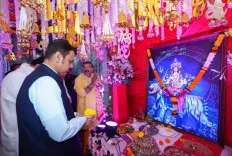
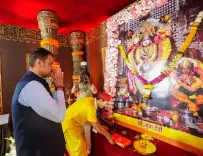
CM Vishnu Deo Sai joins Karma Puja celebrations in Tamnar
Synopsis
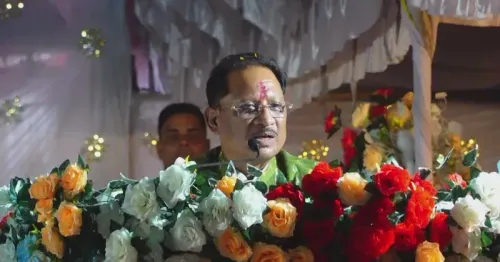
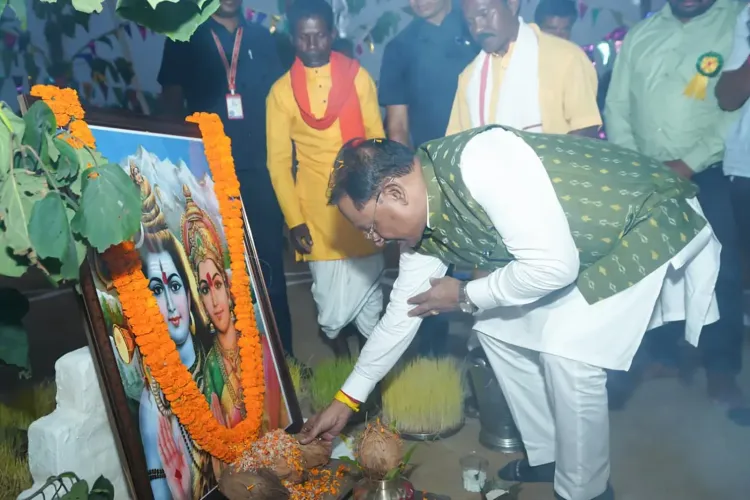
Chhattisgarh Chief Minister Vishnu Deo Sai joined the Karma Puja Mahotsav in Tamnar, Raigarh on 15 October 2026, performing traditional rites at the Karma tree and dancing with tribal performers to mark the nature-centric folk festival.
Key Takeaways
CM Vishnu Deo Sai attended the Karma Puja Mahotsav in Tamnar, Raigarh on 15 October 2026 .
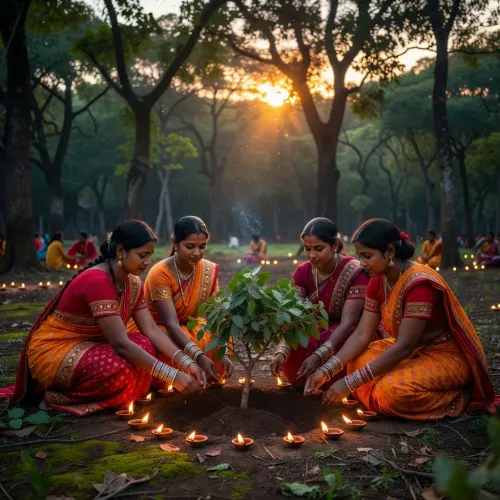
He performed vidhi-vidhān worship of the Karma Dār (Karma tree) and Lord Shiva-Parvati , praying for state-wide prosperity.
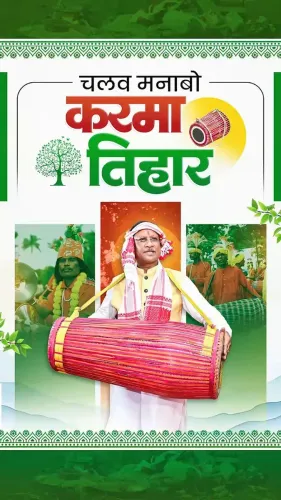
The CM danced alongside karma folk performers to the beat of the māndar drum.
Karma Parb is a major tribal festival observed especially among Oraon and other indigenous communities of Chhattisgarh.
The festival symbolises faith in nature, social unity, and brotherhood — core values of the state's tribal cultural heritage.
CM Sai signed off with the tribal salutation 'Jai Johār!
Jai Karma Dev!' underlining the cultural significance of the occasion.
To the steady beat of the māndar drum and the sway of karma dancers, Chhattisgarh Chief Minister Vishnu Deo Sai stepped into the festival circle at Tamnar, Raigarh on Thursday, 15 October 2026 — offering prayers at the Karma Dār and invoking the blessings of Lord Shiva-Parvati for the prosperity of the entire state.
The Chief Minister participated in the Karma Puja Mahotsav with full ritual observance, performing vidhi-vidhān (traditional ceremonial rites) at the Karma tree — the living symbol around which the festival is anchored. He then joined karma folk dancers in step, sharing in what he described as the collective joy of the occasion.
What Karma Parb means — and why it matters in Chhattisgarh
Karma Parb is one of the most important nature-centric festivals of Chhattisgarh's tribal communities, observed widely among groups including the Oraon and other indigenous peoples of the state. Centred on the worship of the Karma tree deity, the festival is rooted in a deep reverence for forests and natural cycles, weaving together prayer, music, and group dance into a single communal act.
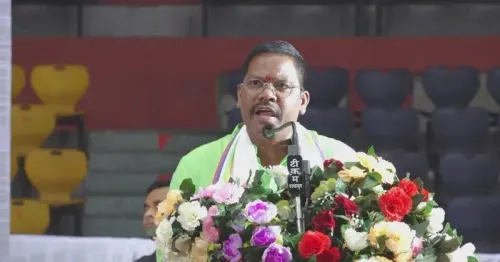
The māndar — a double-headed drum central to tribal musical traditions — drives the rhythm of karma dance performances that continue through the night. CM Sai described the festival as 'prakriti ke prati agādh āsthā, sāmājik ektā aur bhāīchāre kā sandesh' — 'a message of profound faith in nature, social unity and brotherhood' — and called it a 'living symbol of our rich tribal culture, traditions, and intimate bond with nature.'
Tamnar's place in Raigarh's tribal landscape
Raigarh district, where Tamnar block is located, sits at a striking intersection: it carries one of Chhattisgarh's highest concentrations of tribal population while also hosting significant industrial activity. For communities here, festivals like Karma Parb are not merely ceremonial — they are a sustained assertion of cultural identity alongside rapid economic change.
State leaders in Chhattisgarh have routinely made a point of attending major tribal festivals, a practice that reflects both the demographic weight of indigenous communities in the state's electorate and a genuine official push to document and platform folk traditions. CM Sai closed his post with the traditional salutation 'Jai Johār! Jai Karma Dev!' — a greeting deeply embedded in the region's tribal vocabulary.
With state-level festival calendars expanding and cultural preservation schemes under discussion, Karma Parb 2026 at Tamnar is one more data point in Chhattisgarh's ongoing conversation about what it means to honour living tradition — not in a museum, but in the middle of a dance circle.
Point of View
Not just delivering a speech — is a deliberate signal to Chhattisgarh's large tribal electorate that the BJP-led government sees indigenous culture as a living priority, not a footnote. The choice of Tamnar in Raigarh, a district where tribal identity sits in constant tension with industrial expansion, is geographically pointed. Across India's tribal belt, state governments are increasingly framing festival participation as soft governance — a way to build trust in communities where development disputes can run deep. Whether symbolic gestures translate into structural cultural-preservation commitments will be the measure that matters.
NationPress
15 Oct 2026
Frequently Asked Questions
What is Karma Puja and why is it celebrated in Chhattisgarh?
Karma Puja, or Karma Parb, is a major tribal festival in Chhattisgarh centred on the worship of the Karma tree deity, celebrating faith in nature, community unity, and brotherhood. It is observed widely among indigenous groups including the Oraon, with traditional Mandar drum music and group folk dances forming the heart of the celebration.
Where did CM Vishnu Deo Sai attend Karma Puja in 2026?
CM Vishnu Deo Sai attended the Karma Puja Mahotsav in Tamnar, a block within Raigarh district, Chhattisgarh, on 15 October 2026.
What rituals did CM Sai perform at the Karma Puja festival?
He performed traditional ceremonial rites (vidhi-vidhān) worshipping the Karma Dār (Karma tree) and Lord Shiva-Parvati, prayed for the prosperity of all state residents, and joined karma dancers in a group dance to the beat of the Mandar drum.
What does 'Jai Johār' mean?
'Jai Johār' is a traditional salutation used among tribal communities of Chhattisgarh and the broader Jharkhand-Odisha belt, expressing respect, solidarity, and goodwill — roughly equivalent to a proud communal greeting.
Why do Chhattisgarh leaders regularly attend tribal festivals?
Tribal communities make up a significant portion of Chhattisgarh's population, and attending festivals like Karma Parb is part of a broader state-level effort to engage with indigenous communities, recognise their cultural traditions, and signal government support for tribal heritage alongside development programmes.