Petrol at ₹102 in Delhi: Punjab Congress slams 4th fuel hike in 10 days
Synopsis
Petrol has crossed ₹102 in Delhi after four hikes in ten days — and Punjab Congress is calling it a deliberate squeeze on the common man. With global crude prices down and oil company profits up, the Congress argument has a sharp edge: the government is choosing not to give relief.
Key Takeaways
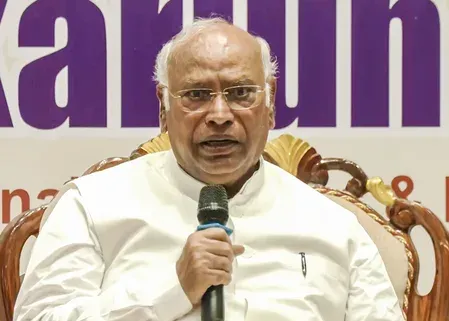
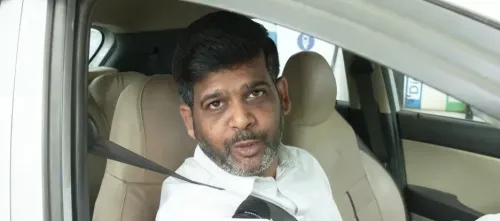
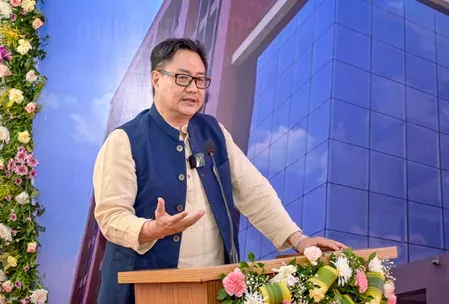
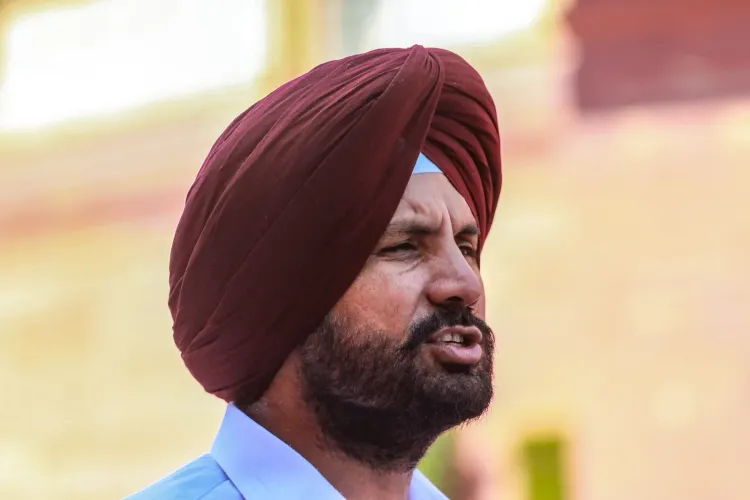
Punjab Congress President Amarinder Singh Raja Warring condemned the BJP government over repeated fuel price hikes on Monday, 25 May .
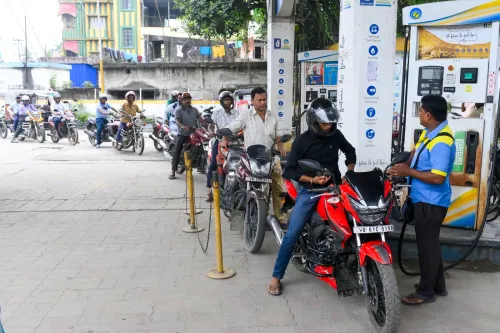
Petrol and diesel prices have been raised four times in 10 days , with a cumulative increase of approximately ₹7.5 per litre .
The latest hike added ₹2.61 per litre to petrol and ₹2.71 per litre to diesel.
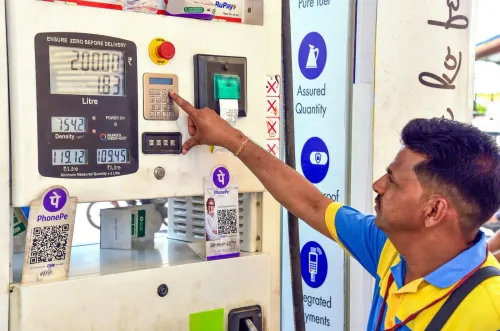
Petrol in Delhi now stands at ₹102.12 per litre ; diesel at ₹95.20 per litre .
Warring argued global crude prices have fallen and oil companies are profitable, making the hikes unjustified.
Congress termed the increases 'systematic inflation' hitting farmers, transporters, traders, and daily-wage earners.
Punjab Congress President Amarinder Singh Raja Warring on Monday sharply condemned the Bharatiya Janata Party (BJP) government's repeated fuel price increases, accusing Prime Minister Narendra Modi of 'fleecing citizens' even as global crude oil prices have declined and state-run oil companies continue to post substantial profits. The attack comes as petrol prices in Delhi crossed ₹102 per litre — among the highest rates recorded in recent months.
Four Hikes in Ten Days
Warring stated that the BJP government had raised petrol and diesel prices for the fourth time in just 10 days, with the cumulative increase amounting to approximately ₹7.5 per litre. He described the approach as 'stealthy', arguing that pricing increases were being rolled out in a piecemeal manner to obscure their full impact on consumers. The latest revision alone added ₹2.61 per litre to petrol and ₹2.71 per litre to diesel, according to Warring.
Current Fuel Rates and the Inflation Concern
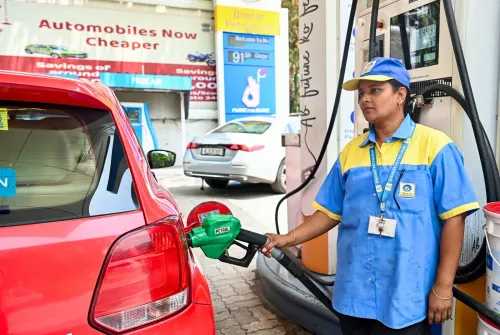
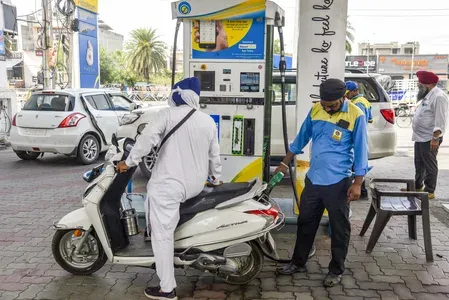
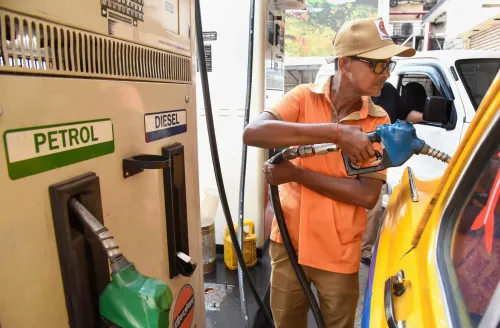
Petrol in Delhi is now priced at ₹102.12 per litre, while diesel stands at ₹95.20 per litre, with rates reportedly higher in several other metro cities. Warring argued that every upward revision in fuel prices has a cascading effect on the broader economy — pushing up transportation costs and raising prices of vegetables, milk, groceries, and other essential commodities. 'This is not merely a fuel crisis — this is an inflation crisis affecting every household,' he said in a statement.
The Congress Argument: Profits vs. Relief
The Punjab Congress chief questioned the government's rationale for the hikes at a time when international crude oil prices have softened. He pointed out that oil companies were already earning significant profits, and asked why those gains were not being passed on to consumers. 'Instead of giving relief to the people, the Prime Minister Narendra Modi government is fleecing citizens and extorting money from them through repeated hikes,' Warring said. Critics have long argued that Indian retail fuel prices are structurally insulated from global crude movements — rising with international prices but failing to fall proportionately when crude softens.
Who Bears the Burden
Warring specifically called out the impact on the middle class, farmers, transporters, small traders, daily-wage earners, and the youth — groups that are disproportionately exposed to fuel-linked inflation. The Congress leader termed the successive hikes 'not governance, but systematic inflation imposed on people.' This is consistent with the Opposition's broader narrative ahead of state elections, framing fuel pricing as a governance and equity issue rather than a market-driven adjustment.
Political Context
The criticism from Punjab Congress adds to a growing chorus of Opposition voices pushing back against fuel price policy. Notably, the Congress has historically also faced criticism for high fuel prices during its own tenures in government — a contradiction the BJP is likely to invoke in its response. As of the time of publication, the BJP government had not issued a formal rebuttal to Warring's statement. With fuel-linked inflation feeding into food prices, the political salience of this issue is likely to intensify in the weeks ahead.
Point of View
Oil company balance sheets are healthy, yet retail prices are moving up. The BJP will likely counter with the Congress's own record on fuel taxation — but that deflection does not answer the core question of why downward crude movements are not being transmitted to pump prices. India's fuel pricing mechanism has long been opaque on the pass-through logic, and repeated small hikes — the 'piecemeal' pattern Warring flags — are a well-documented strategy to avoid a single politically visible shock. The real accountability gap is not just political; it is structural, and neither party has shown appetite to fix it.
NationPress
26 Sept 2026
Frequently Asked Questions
How much have petrol and diesel prices increased in India recently?
Petrol and diesel prices have risen by approximately ₹7.5 per litre over the course of four separate hikes in a span of 10 days, according to Punjab Congress President Amarinder Singh Raja Warring. The most recent revision added ₹2.61 per litre to petrol and ₹2.71 per litre to diesel.
What are the current petrol and diesel prices in Delhi?
Petrol in Delhi is currently priced at ₹102.12 per litre, while diesel stands at ₹95.20 per litre. Rates are reportedly higher in several other metro cities across India.
Why is the Congress criticising the fuel price hikes?
The Punjab Congress argues that the hikes are unjustified because global crude oil prices have fallen and oil companies are already earning significant profits. Congress chief Warring contends the government is choosing to burden consumers rather than pass on savings.
Who is most affected by the fuel price increases?
According to Warring, the middle class, farmers, transporters, small traders, daily-wage earners, and youth are the worst affected. Rising fuel costs push up transportation expenses and the prices of essential commodities like vegetables, milk, and groceries.
Has the BJP government responded to the Congress criticism?
As of the time of reporting, the BJP government had not issued a formal public response to Warring's statement condemning the fuel price hikes.