Petrol, diesel prices hiked again: Second fuel price rise in under a week
Synopsis
India's state-run oil firms have raised petrol and diesel prices twice in under a week — the fastest back-to-back fuel hike in years. With global crude up more than 50% since Iran tensions flared and OMCs staring at ₹1.2 lakh crore in Q1 FY27 losses, the era of price suppression is firmly over. More hikes could follow if the Strait of Hormuz remains under threat.
Key Takeaways
Petrol rose by 86 paise/litre and diesel by 83 paise/litre on 19 May — the second hike in under a week.
Delhi petrol now costs ₹98.64/litre ; diesel stands at ₹91.58/litre — highest since May 2022 .
A ₹3/litre hike on 15 May was the first increase in over four years .
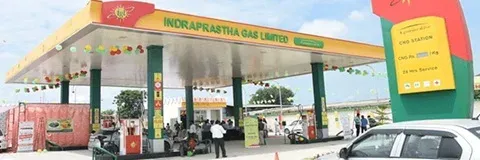
IGL raised CNG prices by Re 1/kg on Sunday, its second hike in 48 hours .
Global crude has surged more than 50% since Iran tensions escalated, disrupting Strait of Hormuz shipments.
IOC , BPCL , and HPCL are projected to post combined losses of nearly ₹1.2 lakh crore in Q1 FY27 .
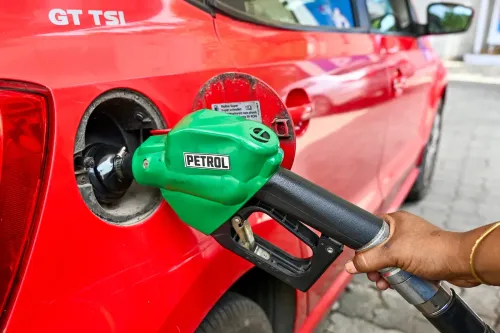
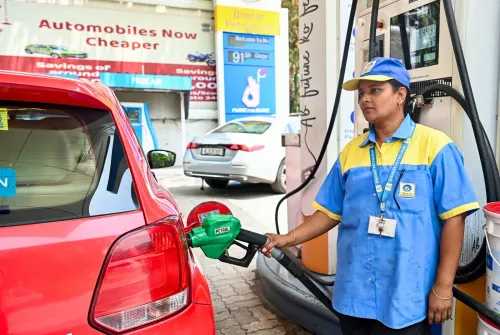
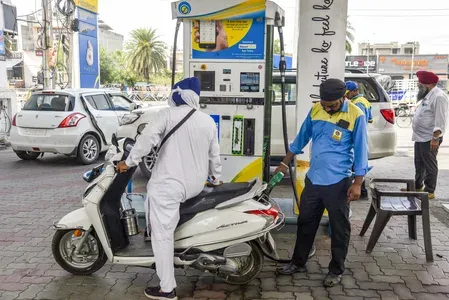
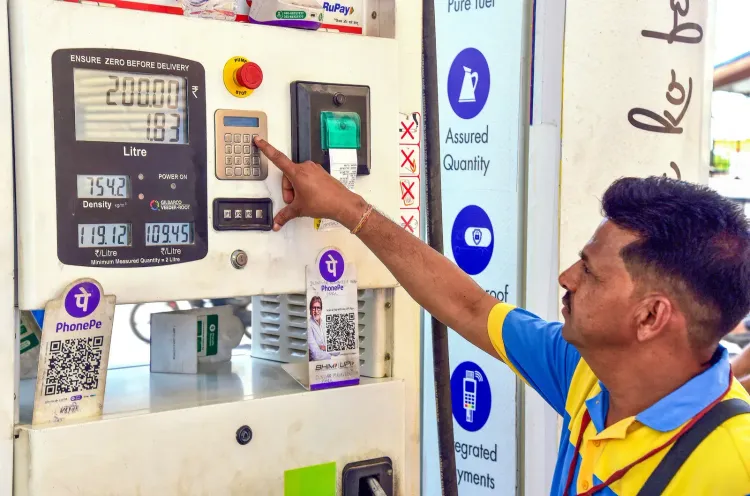
State-run oil marketing companies (OMCs) on Tuesday, 19 May raised petrol prices by 86 paise per litre and diesel prices by 83 paise per litre — the second such revision in less than a week — as soaring global crude oil prices continue to squeeze India's public sector fuel retailers. In New Delhi, petrol now costs ₹98.64 per litre and diesel ₹91.58 per litre, the highest levels since May 2022.
A Second Hike in Days
The latest revision follows a ₹3 per litre increase on 15 May — the first hike in more than four years — which had pushed Delhi petrol to ₹97.77 per litre and diesel up by ₹3.11 per litre. With Tuesday's addition, cumulative retail fuel prices have risen sharply within a single week, placing significant pressure on household and commercial transport budgets across the country.
This comes amid a broader energy cost spiral. Indraprastha Gas Limited (IGL), India's leading city gas distributor, raised compressed natural gas (CNG) prices by Re 1 per kg on Sunday — its second hike within 48 hours. Earlier this month, oil companies had also raised CNG prices by ₹2 per kg in response to the West Asia conflict.
The Global Crude Shock Behind the Hikes
Global crude oil prices have surged more than 50 per cent since tensions involving Iran escalated earlier this year, disrupting supplies through the Strait of Hormuz — one of the world's most critical oil shipping chokepoints. The US-Iran conflict has injected sustained uncertainty into energy markets, with no near-term resolution in sight.
Notably, the Strait of Hormuz handles roughly a fifth of global oil trade, making any disruption there a direct transmission mechanism for crude price spikes into import-dependent economies like India, which meets over 85 per cent of its crude requirements through imports.
OMC Losses Mount
The back-to-back hikes reflect the deepening financial stress at India's three major state-run fuel retailers — Indian Oil Corporation (IOC), Bharat Petroleum Corporation Limited (BPCL), and Hindustan Petroleum Corporation Limited (HPCL). According to industry estimates, the three companies are projected to report combined losses of nearly ₹1.2 lakh crore in the first quarter of FY27 alone — a figure that underscores how far retail prices had fallen behind the cost of crude during the prolonged price freeze.
The OMCs had held prices steady for over four years, absorbing losses as the government sought to shield consumers from global volatility. That buffer has now been exhausted, and the pace of corrections suggests further revisions cannot be ruled out if crude remains elevated.
What Comes Next
With global crude prices still above multi-year highs and geopolitical tensions in West Asia unresolved, analysts warn that Tuesday's hike may not be the last. The trajectory of the US-Iran standoff and any further disruption to Hormuz shipping lanes will be the key variable. Domestically, the Centre faces a difficult balancing act between protecting OMC balance sheets and managing inflation expectations ahead of state election cycles.
Point of View
And the ₹1.2 lakh crore projected Q1 FY27 loss figure reveals just how deep that hole became. What is striking is the pace: two revisions in days signals that the government has decided to front-load the correction rather than drip it out, likely to clear the decks before the inflation data cycle catches up. The real question is whether the Centre will allow prices to fall symmetrically if crude reverses — a discipline Indian fuel pricing has historically lacked.
NationPress
16 Sept 2026
Frequently Asked Questions
Why were petrol and diesel prices hiked again on 19 May?
State-run oil marketing companies raised petrol by 86 paise per litre and diesel by 83 paise per litre on 19 May because global crude oil prices have surged more than 50% since Iran-related tensions disrupted supplies through the Strait of Hormuz. This was the second hike in under a week, following a ₹3 per litre increase on 15 May.
What are the current petrol and diesel prices in Delhi?
As of 19 May, petrol costs ₹98.64 per litre and diesel ₹91.58 per litre in New Delhi. These are the highest retail fuel prices in the capital since May 2022.
How much have fuel prices risen in total this month?
In less than a week, petrol prices in Delhi have risen by roughly ₹3.86 per litre cumulatively — ₹3 on 15 May and 86 paise on 19 May. Diesel has risen by approximately ₹3.83 per litre over the same period.
Why are OMCs reporting such large losses?
Indian Oil Corporation, Bharat Petroleum, and Hindustan Petroleum held retail fuel prices steady for over four years while global crude costs rose, absorbing the difference as under-recoveries. Industry estimates project combined losses of nearly ₹1.2 lakh crore for the three companies in Q1 FY27 alone.
Will fuel prices rise further?
Analysts have not ruled out further hikes if global crude remains elevated. The key variable is the trajectory of the US-Iran conflict and whether Strait of Hormuz shipping disruptions persist. The Centre faces pressure to balance OMC financial health against rising consumer inflation.