IGL hikes Delhi CNG price by ₹2/kg to ₹83.09, fourth rise in two weeks
Synopsis
IGL has raised Delhi CNG prices four times in under two weeks — a cumulative surge that, combined with simultaneous petrol and diesel hikes across major cities, signals a sustained fuel cost shock. With transport operators warning of fare increases and logistics costs rising, the ripple effects on everyday inflation could outlast the current crude oil volatility.
Key Takeaways
IGL raised Delhi CNG prices by ₹2 per kg on Tuesday, taking the rate to ₹83.09 per kg — the fourth hike in under two weeks .
NCR rates : Noida, Ghaziabad, Greater Noida at ₹91.70/kg ; Gurugram at ₹88.12/kg ; Ajmer at ₹92.44/kg .
Delhi petrol now at ₹102.12/litre (up ₹2.61); diesel at ₹95.20/litre (up ₹2.71).
Kolkata saw the sharpest metro increase: petrol at ₹113.51/litre , diesel at ₹99.82/litre .
Hikes are attributed to global crude oil volatility , currency fluctuations , and Middle East supply concerns .
Transport operators warn of potential passenger fare increases ; logistics costs are also expected to rise.
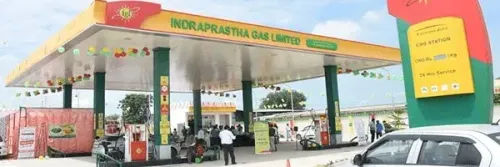
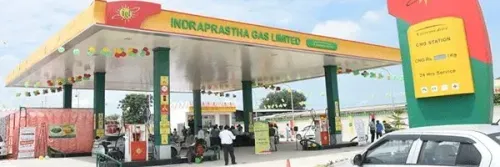
Indraprastha Gas Limited (IGL) on Tuesday raised compressed natural gas (CNG) prices in Delhi by ₹2 per kg, pushing the retail rate to ₹83.09 per kg from ₹81.09 per kg. This marks the fourth CNG price hike in under two weeks, compounding pressure on commuters, transport operators, and logistics businesses that run on the fuel.
City-wise CNG Rates After Latest Revision
The revision extends beyond Delhi. Consumers in Noida, Ghaziabad, and Greater Noida will now pay ₹91.70 per kg, while rates in Gurugram have climbed to ₹88.12 per kg. In Ajmer, CNG now costs ₹92.44 per kg. The latest increase follows a ₹1 hike announced on Saturday, continuing a steep upward trend that has unsettled vehicle owners across the National Capital Region (NCR).
Petrol and Diesel Also Hit — Fourth Hike in a Fortnight
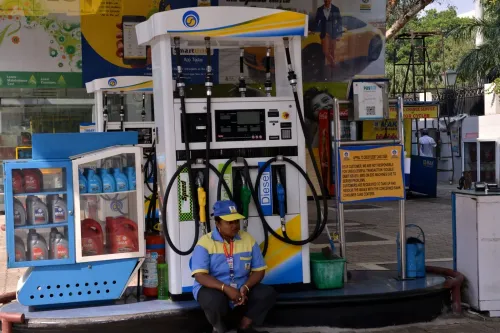
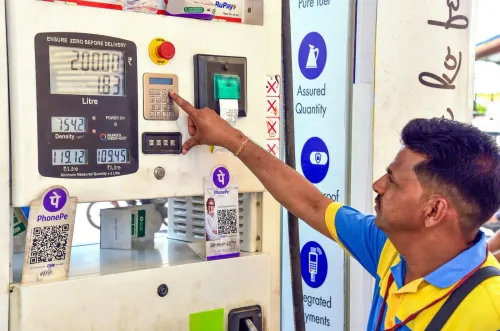
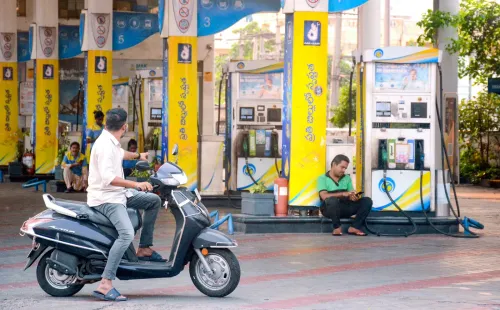
State-owned oil marketing companies (OMCs) have simultaneously revised petrol and diesel prices upward for the fourth time in under two weeks. In Delhi, petrol now retails at ₹102.12 per litre — up ₹2.61 — while diesel has risen ₹2.71 to ₹95.20 per litre.
Kolkata recorded among the sharpest increases: petrol climbed ₹2.87 to ₹113.51 per litre and diesel rose ₹2.80 to ₹99.82 per litre. In Mumbai, petrol is now at ₹111.21 per litre (up ₹2.72) and diesel at ₹97.83 per litre (up ₹2.81). Chennai saw petrol rise ₹2.46 to ₹107.77 per litre and diesel increase ₹2.57 to ₹99.55 per litre.
Timeline of Recent Fuel Hikes
The current wave of revisions began on 15 May, when petrol and diesel were raised by ₹3 per litre each. A further increase of 90 paise per litre followed on 19 May. On 23 May, petrol was raised by another 87 paise and diesel by 91 paise per litre. Tuesday's CNG revision is the latest step in what analysts describe as a sustained upward correction tied to global energy volatility.
Why Prices Are Rising and Who Bears the Brunt
Experts attribute the back-to-back hikes to volatility in international crude oil markets, currency exchange fluctuations, and domestic taxation dynamics — compounded by growing concerns over crude supply amid continuing tensions in the Middle East. Notably, the government had reduced excise duty on petrol and diesel on 27 March to cushion consumers, but that relief has been overtaken by the current price cycle.
Transport operators warn that sustained higher operating costs may eventually translate into increased passenger fares, particularly in metro cities where public buses, taxis, and autorickshaws run predominantly on CNG. Broader inflation risk is also emerging: rising logistics costs could push up prices of essential goods transported by road. With no immediate signal of a rollback, consumers face a period of elevated fuel expenditure ahead.
Point of View
And the pace is notable even against the backdrop of global crude volatility. The government's excise duty cut in March has been entirely absorbed, leaving consumers with no effective buffer. What is missing from the official narrative is a clear ceiling: without a stated price-stabilisation mechanism, transport operators have a legitimate basis for fare revision demands, which would feed directly into urban inflation. The CNG-heavy public transport model in Delhi — long promoted as a clean-air policy success — now risks becoming an affordability pressure point.
NationPress
26 Sept 2026
Frequently Asked Questions
What is the new CNG price in Delhi after IGL's latest hike?
Delhi CNG now costs ₹83.09 per kg, up from ₹81.09 per kg, following a ₹2 per kg increase announced by Indraprastha Gas Limited (IGL) on Tuesday. This is the fourth CNG price revision in under two weeks.
What are CNG prices in Noida, Ghaziabad, and Gurugram after the hike?
Consumers in Noida, Ghaziabad, and Greater Noida now pay ₹91.70 per kg, while Gurugram rates have risen to ₹88.12 per kg. Ajmer CNG prices stand at ₹92.44 per kg after the latest revision.
Why are CNG and fuel prices rising repeatedly in May 2025?
The back-to-back hikes are attributed to volatility in international crude oil markets, currency exchange fluctuations, and supply concerns linked to ongoing Middle East tensions. Experts note that domestic taxation policy also plays a role in final retail prices.
How much have petrol and diesel prices risen in Delhi recently?
In Delhi, petrol has risen by ₹2.61 per litre to ₹102.12 per litre, while diesel has increased by ₹2.71 to ₹95.20 per litre in the latest round. This is the fourth upward revision by state-owned oil marketing companies in under two weeks.
Will the CNG price hike lead to higher auto and taxi fares?
Transport operators have warned that sustained increases in CNG costs may force them to raise passenger fares, particularly in cities like Delhi and Mumbai where public transport and commercial vehicles depend heavily on the fuel. No formal fare revision has been announced yet.