IGL hikes CNG price ₹3.89/kg in Delhi-NCR as LNG costs surge
Synopsis
IGL has raised CNG prices by ₹3.89/kg across Delhi-NCR — its fifth hike this year — as the Asia-JKM LNG benchmark nearly doubled from $11 to $23.4 per MMBTU since February. With West Asia tensions choking Strait of Hormuz cargo flows and European winter buying adding pressure, this may not be the last revision of 2025.
Key Takeaways
IGL raised CNG prices by ₹3.89/kg across Delhi-NCR effective 29 August — the fifth hike this year.
New rates: ₹86.98/kg in Delhi, ₹95.59/kg in Noida and Ghaziabad, ₹95.47/kg in Meerut, ₹92.01/kg in Gurugram.
The Asia-JKM LNG benchmark surged from $11/MMBTU in February to $23.4/MMBTU in August; global LNG prices have reportedly nearly doubled since July .
Renewed West Asia conflict has disrupted cargo flows through the Strait of Hormuz , tightening global LNG supply.
Auto-rickshaws, taxis, and commercial vehicles in Delhi-NCR face higher operating costs; freight and passenger fares may rise.
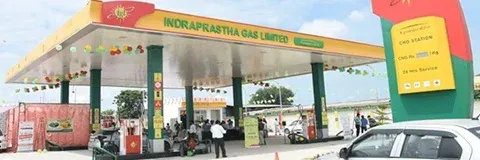
Indraprastha Gas Limited (IGL) raised compressed natural gas (CNG) prices by ₹3.89 per kg across Delhi-NCR effective Saturday, 29 August, citing a sharp surge in imported liquefied natural gas (LNG) costs driven by renewed geopolitical tensions in West Asia. The revision is the fifth CNG price hike by IGL this calendar year and the first since May.
New CNG Rates Across Delhi-NCR
Following the revision, CNG now costs ₹86.98 per kg in Delhi. Motorists in Noida and Ghaziabad will pay ₹95.59 per kg, while Meerut sees a rate of ₹95.47 per kg and Gurugram ₹92.01 per kg. Variations across cities reflect differences in state-level value-added tax structures.
Why Global LNG Prices Are Surging
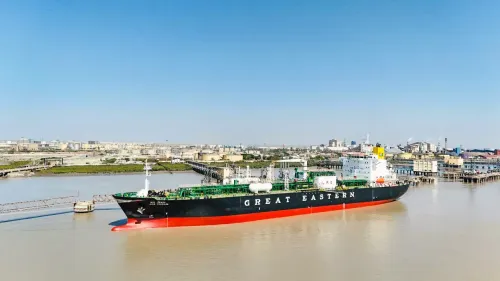
The immediate trigger is a renewed escalation of hostilities in West Asia, which has disrupted cargo movements through the Strait of Hormuz. According to sources, global LNG prices have nearly doubled since July compared with pre-conflict levels. The Asia-JKM LNG benchmark — a key indicator for spot LNG prices in Asia — climbed from around $11 per MMBTU in February to $23.4 per MMBTU in August. European TTF gas prices tracked a similar trajectory, rising from roughly $11.3 per MMBTU to $23.3 per MMBTU over the same period.
Compounding the supply crunch, European buyers are aggressively building LNG inventories ahead of winter, intensifying competition for available cargoes and pushing spot prices higher. This is the same dynamic that drove European energy prices to record levels in 2022, though current levels remain below those peaks.
What Led Up to This Hike
In May, IGL had raised CNG prices by a cumulative ₹6 per kg across four phases over 10 days, also in response to climbing global energy costs tied to the West Asia conflict. The latest ₹3.89 per kg increase suggests that cost pressures have persisted and, in some respects, intensified in the months since.
Impact on Delhi-NCR Commuters and Transport Operators
Delhi-NCR's transport ecosystem is heavily reliant on CNG — auto-rickshaws, taxis, and a large share of commercial and goods vehicles run on the fuel. Past price increases have translated into higher freight and passenger fares, and transport operators are already contending with elevated fuel and operating costs. The latest revision is likely to renew pressure on fare structures across the region.
What to Watch
If geopolitical tensions in West Asia persist and global LNG markets remain tight through the winter season, further upward pressure on domestic CNG prices cannot be ruled out. The trajectory of the Asia-JKM benchmark in the coming weeks will be a key indicator for IGL's next pricing decision.
Point of View
Not a one-off correction. The near-doubling of the Asia-JKM benchmark since February exposes how exposed India's city gas distribution network remains to global spot LNG markets, with limited domestic gas allocation acting as a buffer. For Delhi-NCR commuters who switched to CNG vehicles precisely to escape petrol price volatility, the repeated hikes are eroding that cost advantage. The policy question — whether the Centre should expand cheaper domestic gas allocation to city gas distributors to shield urban transport costs — is getting louder with each revision.
NationPress
13 Oct 2026
Frequently Asked Questions
What are the new CNG prices in Delhi-NCR after IGL's latest hike?
From 29 August, CNG costs ₹86.98 per kg in Delhi, ₹95.59 per kg in Noida and Ghaziabad, ₹95.47 per kg in Meerut, and ₹92.01 per kg in Gurugram. The revision represents an increase of ₹3.89 per kg across the region.
Why has IGL increased CNG prices in August 2025?
IGL cited a sharp rise in imported LNG costs, driven by renewed West Asia conflict that has disrupted cargo movements through the Strait of Hormuz. According to sources, global LNG prices have nearly doubled since July, with the Asia-JKM benchmark climbing from $11/MMBTU in February to $23.4/MMBTU in August.
How many times has IGL hiked CNG prices this year?
This is IGL's fifth CNG price hike in 2025 and the first since May. The previous revision in May saw a cumulative ₹6 per kg increase spread over four phases across 10 days.
Who is most affected by the CNG price hike in Delhi-NCR?
Auto-rickshaw and taxi operators, commercial vehicle owners, and goods transporters who rely on CNG are most directly affected. Previous hikes have fed through to higher freight and passenger fares, and transport operators are already under pressure from elevated operating costs.
Will CNG prices rise further in the coming months?
Further increases cannot be ruled out if West Asia tensions persist and global LNG markets remain tight through the European winter season. European buyers building up LNG inventories for winter are adding competitive pressure on available cargoes, which could sustain elevated benchmark prices.