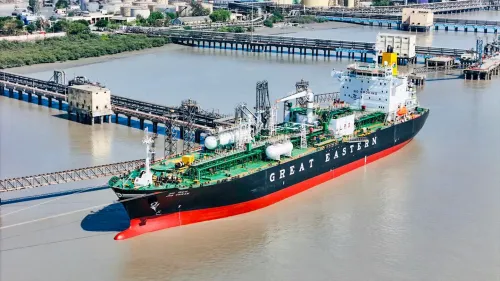
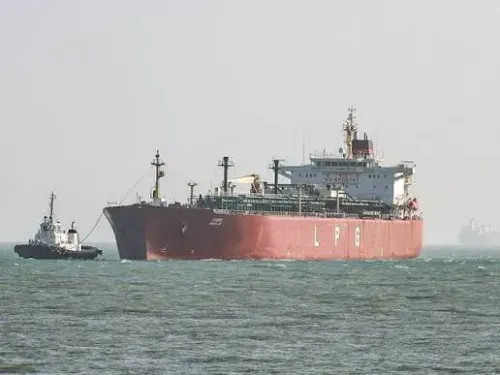
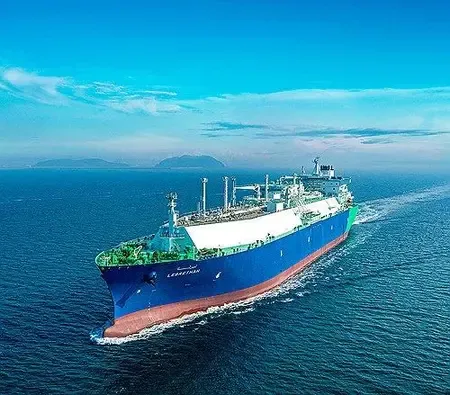
India's LNG import bill surges 24% to $5.6 bn amid West Asia crisis
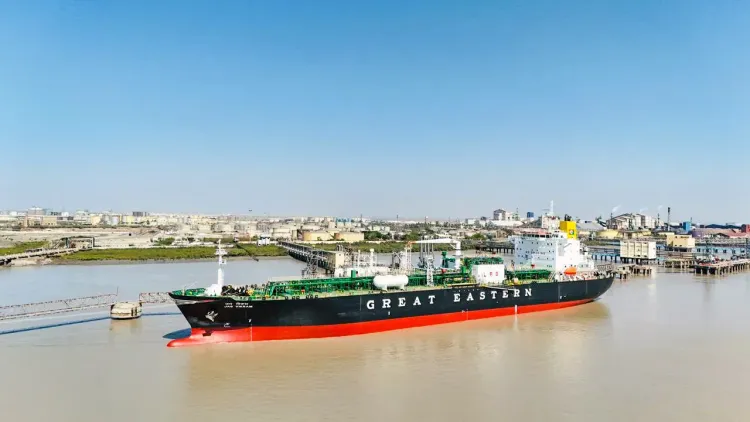
Synopsis
India's LNG bill has jumped 24% to $5.6 billion in just four months — not because India is consuming dramatically more gas, but because the West Asia crisis has forced a costly rerouting of global energy flows. The US has displaced the UAE as India's dominant LPG supplier almost overnight, a structural shift with long-term pricing and geopolitical consequences.
Key Takeaways
India's LNG import bill rose 24 per cent to $5.6 billion in April–July of the current financial year, up from $4.5 billion a year earlier.
In July alone, LNG imports rose 9.1 per cent to $1.2 billion , with volumes at 2,915 mmscm .
India expanded its LNG sourcing from 6 countries to 15 countries ; crude oil sourcing grew from 27 to 41 countries .
The United States supplied over 73 per cent of India's LPG imports in July–August, displacing the UAE as the top supplier.
Saudi Arabia supplied zero LPG to India in both July and August .
Higher shipping costs due to longer cargo routes are compounding the price-driven surge in the import bill.
India's liquefied natural gas (LNG) import bill surged 24 per cent to $5.6 billion during April–July of the current financial year, up from $4.5 billion in the same period a year earlier, as the West Asia crisis disrupted Gulf supply chains and forced a rapid pivot toward United States sourcing, according to data compiled by the Ministry of Petroleum and Natural Gas. Higher commodity prices and sharply elevated shipping costs — caused by longer cargo routes — have together driven the import bill upward.
Monthly Import Figures
In July, India's LNG imports rose 9.1 per cent to $1.2 billion, compared with $1.1 billion in July 2025. Import volumes for the month stood at 2,915 mmscm, a 1.5 per cent increase from 2,872 mmscm in the corresponding month of the previous year, official figures showed. The steady volume growth alongside a sharper value increase points to price inflation as a key driver, not just demand.
Diversification Away from Gulf Suppliers
The choking of the Strait of Hormuz has severely disrupted LNG and LPG supplies from Gulf Cooperation Council countries, compelling India to widen its sourcing network. The country has expanded its LNG import base from 6 countries to 15 countries, while crude oil imports now originate from 41 countries, up from 27 previously.
'This diversification has reduced dependence on any particular country, region or transit route and enhanced India's ability to manage supply disruptions and market volatility,' a senior Ministry of Petroleum official said.
US Emerges as Dominant LPG Supplier
The United States has rapidly become India's largest LPG supplier. India imported approximately 0.89 million tonnes of LPG from the US in July and about 0.62 million tonnes in August, together accounting for more than 73 per cent of the country's total LPG imports during those months, according to data gathered by Kpler.
Notably, the July US volumes were nearly equal to the highest-ever single-month LPG import from the United Arab Emirates — India's traditional supplier — of 0.891 million tonnes recorded in October 2025. By contrast, UAE LPG shipments to India fell sharply to around 1,40,000 tonnes in August, while Qatar supplied approximately 60,000 tonnes. Saudi Arabia supplied no LPG to India in either July or August.
Why Shipping Costs Are Rising
Beyond commodity price inflation, a senior official confirmed that shipping costs have surged because cargoes must now travel significantly longer distances to bypass disrupted West Asia routes. This structural cost addition is embedded in the higher import bill and is unlikely to ease until the regional situation stabilises. This is the most pronounced energy supply-chain disruption India has faced since the post-COVID freight surge of 2021–22.
What Comes Next
India's energy diversification strategy is being stress-tested in real time. With Gulf suppliers sidelined and US volumes now dominant, the government's ability to lock in long-term supply agreements at stable prices will be critical. Any further escalation in the West Asia crisis or tightening of Strait of Hormuz transit could push the import bill higher through the remainder of the financial year.
Point of View
The near-total displacement of Saudi and UAE LPG by US volumes in two months reveals just how fragile India's Gulf energy dependence was. The diversification to 15 LNG suppliers and 41 crude sources is the right direction, but speed of pivot carries its own risks: long-haul US cargoes are costlier to ship, and spot-market dependence leaves India exposed to price spikes. The real policy question is whether India can convert this emergency diversification into long-term contracted supply at stable prices before the import bill becomes a macroeconomic drag on the current account.
NationPress
10 Oct 2026
Frequently Asked Questions
Why has India's LNG import bill risen sharply in 2025?
India's LNG import bill rose 24 per cent to $5.6 billion during April–July because the West Asia crisis disrupted Gulf supply chains, forcing India to source LNG and LPG from farther destinations — primarily the United States — at higher commodity prices and elevated shipping costs.
Which country has replaced the UAE as India's top LPG supplier?
The United States has effectively replaced the UAE as India's dominant LPG supplier. US shipments accounted for more than 73 per cent of India's LPG imports in July and August, while UAE volumes fell sharply and Saudi Arabia supplied no LPG in either month.
How many countries does India now import LNG from?
India has expanded its LNG sourcing network from 6 countries to 15 countries to reduce dependence on any single supplier or transit route. Similarly, crude oil imports now come from 41 countries, up from 27 previously.
What is the Strait of Hormuz and why does it matter for India?
The Strait of Hormuz is a critical maritime chokepoint through which a significant share of global oil and gas from Gulf countries transits. Its disruption amid the West Asia crisis has cut off or complicated India's traditional LNG and LPG supply lines from the UAE, Saudi Arabia, and Qatar.
How much LPG did India import from the US in July and August?
India imported approximately 0.89 million tonnes of LPG from the United States in July and about 0.62 million tonnes in August, according to Kpler data. The July figure was nearly equal to the highest-ever single-month LPG import from the UAE.