India LPG imports diversified as OMCs absorb ₹22,000 crore losses
Synopsis
India's LPG import map was redrawn by the West Asia conflict — the US jumped from 8 per cent to one-third of supply in just two months. But the diversification came at a price: OMCs absorbed ₹22,000 crore in losses between March and May as a 46 per cent global price surge hit balance sheets that domestic retail prices were not allowed to reflect.
Key Takeaways
India diversified LPG imports during the West Asia conflict , reducing dependence on the Gulf , which normally supplies nearly 90 per cent of requirements.
The United States rose from 8 per cent to nearly one-third of India's LPG imports by April 2026 , backed by a 2.2 million tonne per annum supply deal signed in late 2025 .
Iran , Argentina , Chile , France , and the Netherlands also joined India's expanded import basket.
Domestic LPG consumption fell from 3.2 million tonnes in February to 2.47 million tonnes in April; demand dropped 20 per cent year-on-year in May.
The Saudi Aramco Contract Price rose 46 per cent between February and June; under-recoveries reached ₹651 per cylinder in Delhi by May.
State-owned OMCs absorbed cumulative losses of nearly ₹22,000 crore between March and May 2026 .
India significantly diversified its liquefied petroleum gas (LPG) import sources during the recent West Asia conflict, ramping up purchases from the United States, Iran, and several other nations to cushion the blow from disruptions to Gulf supplies, which traditionally account for nearly 90 per cent of the country's LPG imports. The shift, documented in a report by Crisil, came at a steep cost — state-owned oil marketing companies (OMCs) absorbed cumulative losses of nearly ₹22,000 crore between March and May 2026.
How India's Import Profile Changed
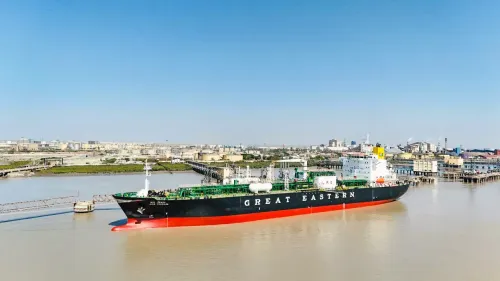
By April 2026, the United States had emerged as India's single largest LPG supplier, contributing nearly one-third of total imports — up sharply from just 8 per cent in February. This pivot was underpinned by a 2.2 million tonne per annum LPG supply agreement signed between India and the United States in late 2025, covering approximately 10 per cent of India's annual import requirement.
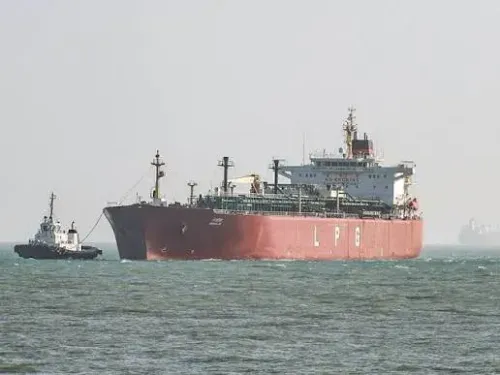
Iran also re-entered India's import basket, accounting for nearly 6 per cent of LPG imports in April. Beyond these two countries, India sourced LPG cargoes from Argentina, Chile, France, and the Netherlands — a notably wider geographic spread than the country's pre-conflict sourcing pattern. While this diversification strategy preserved supply security, it also meant longer shipping routes and elevated freight costs.
Demand Takes a Hit
The supply disruptions and higher prices took a measurable toll on domestic consumption. India's LPG consumption fell to 2.47 million tonnes in April from 3.2 million tonnes in February. After hitting a record 33.2 million tonnes in FY26 — annual growth of 6 per cent — demand dropped 13 per cent year-on-year in both March and April, followed by a steeper 20 per cent decline in May.
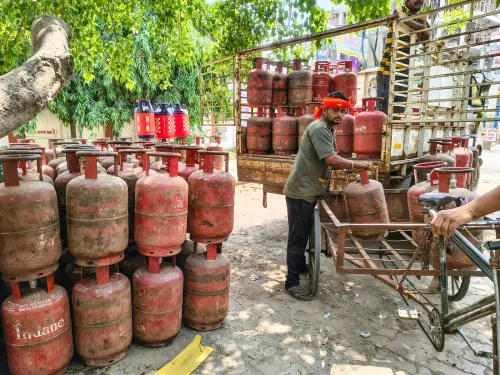
Commercial and industrial consumers bore the sharpest impact, as they face market-linked pricing and adjusted consumption more quickly in response to rising costs. Household demand proved comparatively resilient, supported by only modest increases in retail cooking gas prices.
Global Prices Surge, Domestic Prices Lag
According to the Crisil report, the conflict triggered a 46 per cent rise in the Saudi Aramco Contract Price — the benchmark used for Indian LPG imports — between February and June, driven by supply disruption fears and higher freight costs. Domestic prices, however, did not move in lockstep.
The price of a 14.2-kg domestic LPG cylinder in New Delhi rose approximately 10 per cent during the period, while the 19-kg commercial cylinder surged more than 79 per cent. The gap between procurement costs and subsidised retail prices widened sharply, creating a significant under-recovery burden for OMCs.
The Under-Recovery Burden on OMCs
Crisil estimated that under-recoveries on domestic LPG cylinders in Delhi reached ₹651 per cylinder in May. Cumulative losses borne by state-owned fuel retailers over the March–May 2026 period stood at nearly ₹22,000 crore. This comes amid an already familiar pattern — Indian OMCs have historically absorbed LPG losses during periods of global price spikes to shield household consumers from the full impact, a practice that periodically strains their balance sheets and raises questions about long-term pricing policy.
With global LPG prices still elevated and the geopolitical situation in West Asia fluid, the scale and duration of further OMC losses will depend on whether international benchmarks ease and how quickly Gulf supply routes normalise.
Point of View
Iranian, and Latin American cargoes in weeks reveals a supply chain flexibility that did not exist five years ago — partly the payoff of the 2025 India-US energy agreement. Yet the ₹22,000 crore OMC loss in just three months exposes the structural fault line in India's cooking gas policy: retail prices are used as a social buffer, leaving state companies to absorb global price shocks on their balance sheets. The 79 per cent jump in commercial cylinder prices versus a 10 per cent rise in household prices illustrates exactly how that buffer is allocated. As long as this asymmetry persists without a transparent subsidy mechanism, every geopolitical disruption will produce the same outcome — supply secured, finances strained.
NationPress
19 Sept 2026
Frequently Asked Questions
Why did India diversify its LPG imports during the West Asia conflict?
The West Asia conflict disrupted supplies from the Gulf region, which normally accounts for nearly 90 per cent of India's LPG imports. To maintain supply security, India rapidly expanded purchases from the United States, Iran, Argentina, Chile, France, and the Netherlands.
How much did the United States contribute to India's LPG imports by April 2026?
The US supplied nearly one-third of India's LPG imports by April 2026, up from just 8 per cent in February. This shift was supported by a 2.2 million tonne per annum supply agreement signed between India and the US in late 2025.
What losses did oil marketing companies incur during this period?
State-owned OMCs absorbed cumulative losses of nearly ₹22,000 crore between March and May 2026. Under-recoveries on domestic LPG cylinders in Delhi reached ₹651 per cylinder in May, as procurement costs far exceeded capped retail prices.
How much did LPG consumption fall in India?
India's LPG consumption dropped from 3.2 million tonnes in February to 2.47 million tonnes in April 2026. Demand fell 13 per cent year-on-year in March and April, and declined a steeper 20 per cent in May.
How much did global LPG prices rise during the conflict?
The Saudi Aramco Contract Price — the benchmark for Indian LPG imports — rose 46 per cent between February and June 2026, driven by supply disruption fears and higher freight costs. Domestic household cylinder prices in Delhi rose only about 10 per cent over the same period, while commercial cylinder prices jumped more than 79 per cent.