Neemuch's 3,850 Lakhpati Didis: How SHGs are rewriting rural women's futures
Synopsis
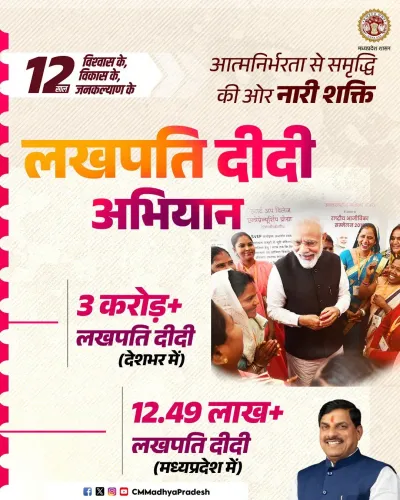
More than 3,850 women in Neemuch, Madhya Pradesh have crossed the Lakhpati Didi threshold — not through handouts, but through tiered SHG loans that have funded everything from PDS shops to welding businesses. The district's layered federation model, with 1,287 SHGs feeding into 118 Village Organisations and 12 Cluster Level Federations, is producing a second-order effect: homemakers becoming employers.
Key Takeaways
3,850 women in Neemuch, Madhya Pradesh have been enrolled under the Lakhpati Didi initiative as of the latest official estimates.
The district has formed 1,287 SHGs , 118 Village Organisations , and 12 Cluster Level Federations (CLFs) under DAY-NRLM .
Bank-linked loans range from ₹1.50 lakh (Phase 1) to ₹6 lakh (Phase 3), supplemented by Revolving Fund and Community Investment Fund support.
Ventures include grocery stores, flour mills, poultry farms, RO plants, Didi Cafes, and PDS fair-price shops .
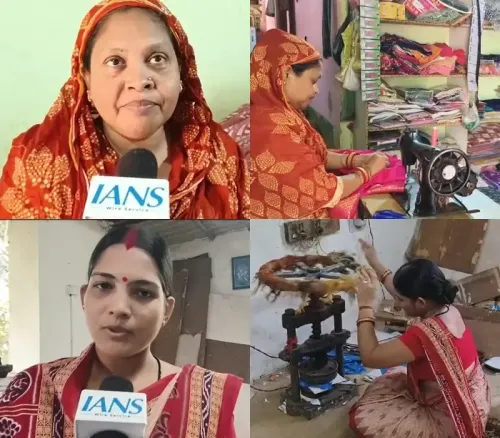
Beneficiaries such as Krishna Keer , Annu Bairwa , and Sharda Bai have moved from homemaking to running businesses and, in some cases, creating employment for others.
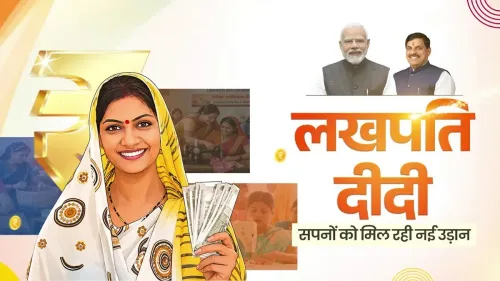
Over 3,850 women in Madhya Pradesh's Neemuch district have joined the Lakhpati Didi initiative under the Deendayal Antyodaya Yojana – National Rural Livelihoods Mission (DAY-NRLM), turning Self-Help Group membership into a springboard for entrepreneurship. The milestone, confirmed by official estimates, reflects a quiet but significant shift in rural economic participation in one of the state's smaller districts.
Scale of the SHG Network in Neemuch
According to Rajendra Kumar Chauhan, Development Block Manager of Neemuch, the district has so far formed 1,287 Self-Help Groups (SHGs), 118 Village Organisations, and 12 Cluster Level Federations (CLFs). Through bank linkages, these groups have accessed tiered loans — ₹1.50 lakh in the first phase, ₹3 lakh in the second, and up to ₹6 lakh in the third phase — alongside support from the Revolving Fund (RF) and Community Investment Fund (CIF).
'When the benefits of government schemes reach women, the impact extends beyond mere financial aid — it becomes a catalyst for transforming the economic landscape of their families and society,' Chauhan said.
What Women Are Building
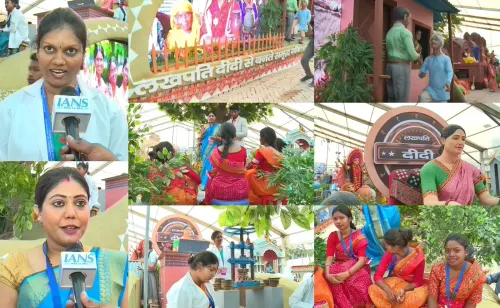
The ventures being pursued span a wide spectrum: grocery and general stores, flour mills, poultry farms, RO water plants, Didi Cafes, and fair-price shops under the Public Distribution System (PDS). This diversity signals that the scheme is not channelling women into a single livelihood template but enabling context-specific enterprise.
Notably, several beneficiaries have moved from being homemakers to becoming employers — a second-order impact that official tallies of 'lakhpati' members do not fully capture.
Voices from the Ground
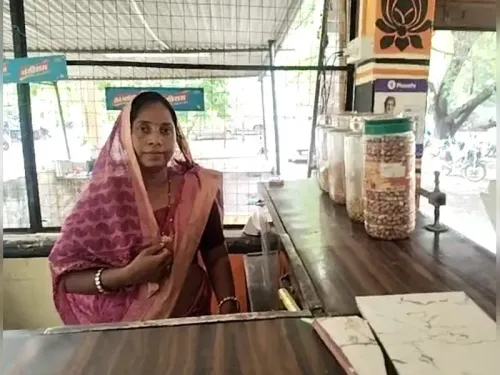
Krishna Keer of Ugran village joined the Jai Bhawani Self-Help Group in 2021 and used financial assistance to open a general merchandise shop stocking sarees, children's clothing, footwear, and household goods. In 2023, she was assigned a PDS outlet. Today, income from both ventures has, by her account, completely transformed her family's finances.
Annu Bairwa of Dunglawada village joined the Shri Ganesh Self-Help Group and accessed loans of ₹1.50 lakh, then ₹3 lakh, and subsequently ₹6 lakh under the Cash Credit Limit (CCL) scheme. She launched a grocery store and, by saving from its earnings, helped her husband establish a welding and lathe machine business — creating a dual-income household focused on improving their children's education.
Sharda Bai of Changera village, a member of the Jai Maa Vaishnavi Self-Help Group, started a small shop on a group loan and has since transitioned from homemaker to employer — generating jobs for others in her community.
What the Lakhpati Didi Scheme Is
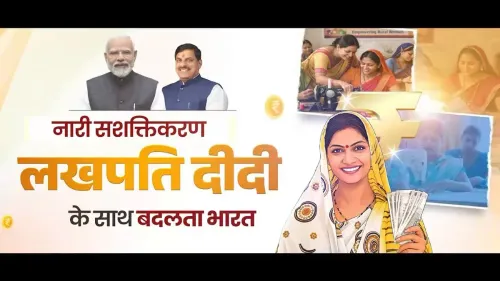
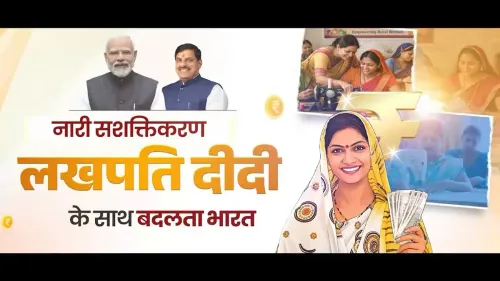
The Lakhpati Didi initiative is a centrally sponsored programme implemented across states and Union Territories with the objective of improving livelihoods in poor rural households. It focuses on individual SHG women and connects them with SHGs, Village Organisations, and allied institutions to build sustainable income streams. The scheme's name reflects its core target: helping each enrolled woman earn at least ₹1 lakh annually.
As Neemuch's numbers grow, the district's experience is emerging as a reference point for how structured credit access, layered institutional support, and entrepreneurial freedom can combine to deliver measurable rural economic change.
Point of View
But the Lakhpati Didi scheme's real test lies in sustainability, not enrolment. Reaching ₹1 lakh in annual income is a threshold, not a destination — and there is limited public data on how many enrolled women maintain or exceed that income after the initial loan cycle ends. The tiered credit model is structurally sound, but without robust post-enrolment tracking and market linkage support, the risk is that success stories remain anecdotal rather than systemic. India has a long history of SHG schemes that produced strong first-year numbers and weaker five-year ones.
NationPress
19 Sept 2026
Frequently Asked Questions
What is the Lakhpati Didi scheme?
The Lakhpati Didi scheme is a centrally sponsored programme under the Deendayal Antyodaya Yojana – National Rural Livelihoods Mission (DAY-NRLM) that aims to help rural women in Self-Help Groups earn at least ₹1 lakh annually. It connects women with SHGs, Village Organisations, and financial institutions to build sustainable livelihoods.
How many women have joined the Lakhpati Didi scheme in Neemuch?
According to official estimates, approximately 3,850 women in Neemuch district, Madhya Pradesh have become members of the Lakhpati Didi initiative. They are supported through a network of 1,287 SHGs, 118 Village Organisations, and 12 Cluster Level Federations.
What kinds of businesses are Lakhpati Didi members running in Neemuch?
Women enrolled under the scheme in Neemuch are running a wide range of ventures including grocery and general stores, flour mills, poultry farms, RO water plants, Didi Cafes, and Public Distribution System fair-price shops. The diversity reflects the scheme's flexible, need-based approach to livelihood creation.
How much loan support do SHG members receive under the scheme?
Members receive tiered bank-linked loans: ₹1.50 lakh in the first phase, ₹3 lakh in the second phase, and up to ₹6 lakh in the third phase. Additional support is available through the Revolving Fund and Community Investment Fund to help initiate economic activities.
Who is eligible for the Lakhpati Didi initiative?
The scheme targets women from poor rural households across India's states and Union Territories. Eligibility is linked to membership in a Self-Help Group operating under the DAY-NRLM framework, with women then connected to Village Organisations and Cluster Level Federations for institutional support.