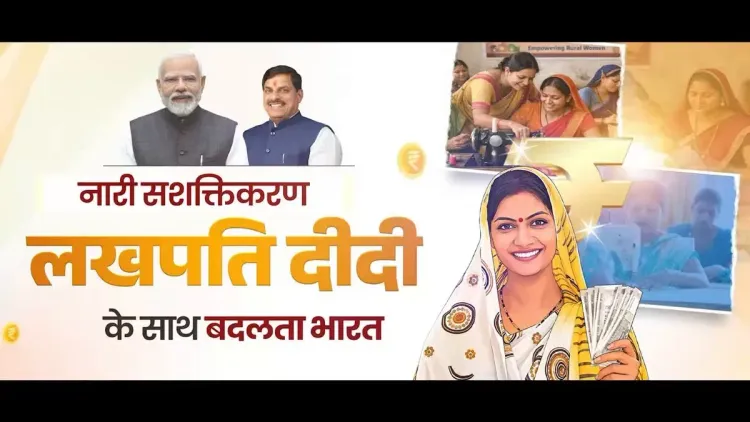
CM MP Office: 12.49 Lakh Women Become Lakhpati Didis in MP
Synopsis
The Chief Minister's Office of Madhya Pradesh announced on June 12, 2026 that over 12.49 lakh women in the state have achieved Lakhpati Didi status under PM Modi's initiative, contributing to a national tally exceeding 3 crore beneficiaries under the DAY-NRLM self-help group programme.
Key Takeaways
The Chief Minister's Office of Madhya Pradesh posted on June 12, 2026 highlighting Lakhpati Didi progress.
Over 12.49 lakh women in Madhya Pradesh have been designated as Lakhpati Didis.
Nationally, more than 3 crore women have achieved Lakhpati Didi status, surpassing the original budget target of 2 crore .
The programme operates under Deendayal Antyodaya Yojana-National Rural Livelihoods Mission (DAY-NRLM) , launched in 2011.
The Lakhpati Didi target — annual income of at least Rs 1 lakh per SHG member — was introduced in the Union Budget 2023-24 .
The post tags PM Modi, CM Mohan Yadav , and the Ministry of Women and Child Development , reflecting state-centre coordination.
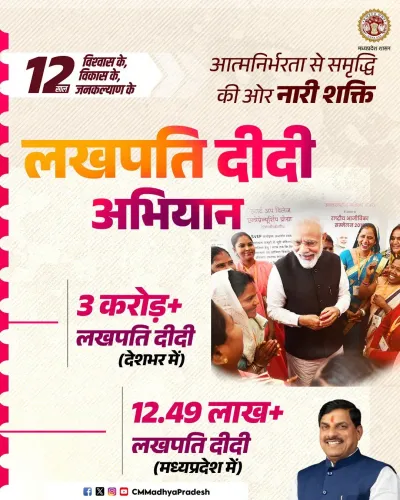
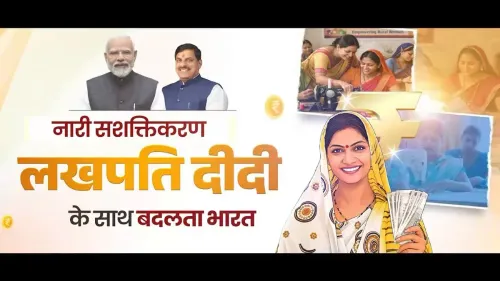
The Chief Minister's Office of Madhya Pradesh on Friday, June 12, 2026 highlighted the reach of the Lakhpati Didi initiative, stating that over 12.49 lakh women in the state have achieved the Lakhpati Didi milestone, part of a national count exceeding 3 crore beneficiaries across India under the programme led by Prime Minister Narendra Modi.
Context
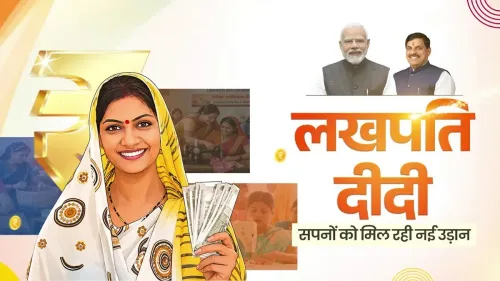
The post, shared from the official CMO handle, states: 'Jab mahilayein aatmanirbhar banti hain, toh parivaar, samaaj aur raashtra sashakt hota hai' ('When women become self-reliant, the family, society and nation are empowered'). It credits the Lakhpati Didi initiative under PM Modi's leadership with giving 'new wings to the dreams of lakhs of women.' The communication tags PMO India, Chief Minister Mohan Yadav, and the Ministry of Women and Child Development, signalling coordinated messaging between state and central governments.
Policy Backdrop
The Lakhpati Didi programme operates under the Deendayal Antyodaya Yojana-National Rural Livelihoods Mission (DAY-NRLM), which was launched in 2011 to mobilise rural poor women into self-help groups (SHGs) and build sustainable livelihoods. The specific Lakhpati Didi target — enabling women SHG members to earn at least Rs 1 lakh per year — was announced in the Union Budget 2023-24, with an initial goal of reaching two crore women nationally. The figure cited in this post, exceeding 3 crore, suggests the programme has surpassed that original target. Support mechanisms include enterprise development, skill training, and credit linkages through formal banking channels.
Stakeholders and Impact
Madhya Pradesh's reported tally of 12.49 lakh+ Lakhpati Didis places it among the states with significant SHG mobilisation under the centrally sponsored mission. The primary beneficiaries are rural women enrolled in self-help groups who have built income streams through micro-enterprises, agricultural value chains, and allied activities. Broader stakeholders include the Ministry of Rural Development, which administers DAY-NRLM, and the Ministry of Women and Child Development, which coordinates gender-focused welfare convergence. The programme intersects with financial inclusion initiatives such as Mudra lending and government skill development schemes targeting women entrepreneurs.
What's Next
The national target trajectory and state-level performance will next be assessed through quarterly progress reports from the Ministry of Rural Development on Lakhpati Didi enrolments. Any supplementary budgetary allocations in the upcoming fiscal year could further expand the programme's credit and training infrastructure. Madhya Pradesh's continued emphasis on publicising beneficiary counts reflects a broader state strategy of demonstrating convergence with central schemes — a pattern likely to intensify ahead of future electoral cycles and budget announcements.
Point of View
The communication serves a dual purpose: validating the Centre's expanded SHG targets and positioning Madhya Pradesh as a high-performing implementation partner. The tagging of PMO India and the Ministry of Women and Child Development signals that this is coordinated messaging, not merely a state update. Analysts watching rural welfare outcomes will note that beneficiary headcounts, while politically useful, do not by themselves speak to income sustainability or the depth of enterprise support received by enrolled women.
NationPress
23 Sept 2026
Frequently Asked Questions
What is the Lakhpati Didi scheme?
The Lakhpati Didi scheme is a central government initiative under the Deendayal Antyodaya Yojana-National Rural Livelihoods Mission that helps women in self-help groups earn at least Rs 1 lakh per year through enterprise development, skill training, and credit linkages. The target was formally announced in the Union Budget 2023-24.
How many Lakhpati Didis are there in Madhya Pradesh?
According to the Chief Minister's Office of Madhya Pradesh, over 12.49 lakh women in the state have achieved Lakhpati Didi status as of June 2026.
What is the national target for Lakhpati Didi?
The Union Budget 2023-24 set an initial target of enabling 2 crore women SHG members to become Lakhpati Didis. The CMO Madhya Pradesh post cites a national figure exceeding 3 crore, suggesting the original target has been surpassed.
Who oversees the Lakhpati Didi programme?
The programme is administered primarily by the Ministry of Rural Development through DAY-NRLM, with coordination from the Ministry of Women and Child Development. State governments implement it through their rural livelihoods missions.
What does Lakhpati Didi mean?
'Lakhpati Didi' translates roughly to 'sister who earns in lakhs' — it refers to a woman SHG member who has built an annual household income of at least Rs 1 lakh through the self-help group ecosystem.