CM MP Office: 12.49 Lakh Women Become Lakhpati Didi in MP
Synopsis
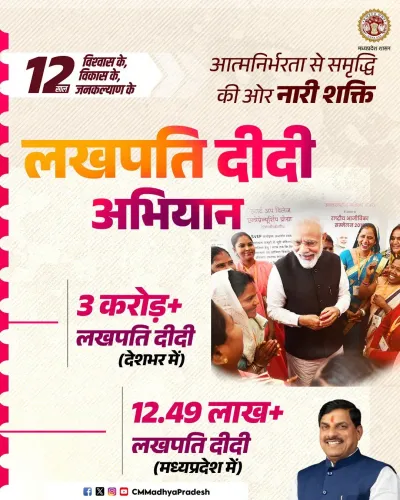
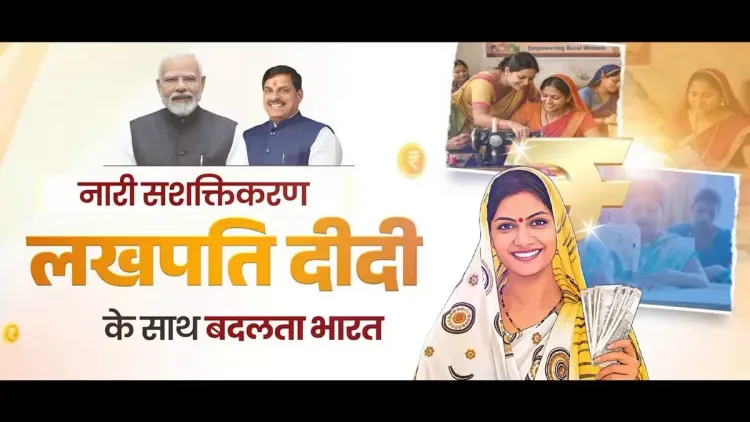
The Chief Minister's Office of Madhya Pradesh announced on June 12, 2026 that over 12.49 lakh women in the state have achieved Lakhpati Didi status under PM Modi's initiative, part of a national count surpassing 3 crore beneficiaries.
Key Takeaways
The Chief Minister's Office of Madhya Pradesh posted on June 12, 2026 about the Lakhpati Didi scheme's reach in the state.
More than 12.49 lakh women in Madhya Pradesh have achieved Lakhpati Didi status, crossing an annual income of one lakh rupees .
The national count of Lakhpati Didis has exceeded 3 crore across India.
The scheme operates under DAY-NRLM , launched in 2011, which promotes self-employment through women's self-help groups.
The post was tied to #12YearsOfNariShakti and #12YearsOfGaribKalyan , marking over a decade of the current government's welfare programmes.
Chief Minister Mohan Yadav and the Ministry of Women and Child Development were tagged, signalling coordinated state-centre ownership of the initiative.
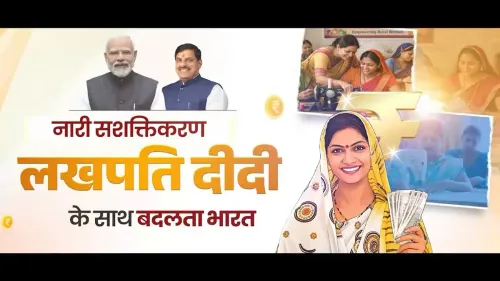
The Chief Minister's Office of Madhya Pradesh, on Friday, June 12, 2026, highlighted the expanding reach of the Lakhpati Didi initiative, stating that more than 12.49 lakh women in the state have achieved the scheme's income milestone, as part of a national count exceeding 3 crore beneficiaries.
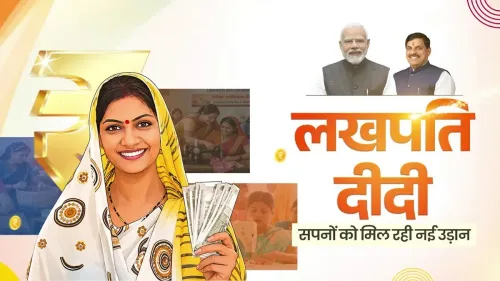
Posting on X, the official handle of the Chief Minister's Office credited Prime Minister Narendra Modi for the initiative's momentum. The post, written in Hindi, reads: 'Jab mahilaen aatmanirbhar banti hain, toh parivaar, samaaj aur rashtra sashakt hota hai' — 'When women become self-reliant, the family, society, and nation grow stronger.' It described the Lakhpati Didi initiative as giving 'new wings to the dreams of lakhs of women' across the country.
Context
The post was published under the hashtags #12YearsOfGaribKalyan, #12YearsOfSeva, and #12YearsOfNariShakti, situating the announcement within the ruling dispensation's broader commemoration of a decade-plus of welfare governance. The messaging is aligned with the central government's framing of women's economic participation as a pillar of national development, a theme that has featured consistently in Union Budget speeches and scheme launches since 2014.Policy Backdrop
Lakhpati Didi is a component of the Deendayal Antyodaya Yojana – National Rural Livelihoods Mission (DAY-NRLM), which was launched in 2011 to promote self-employment and financial inclusion through women's self-help groups (SHGs). The Lakhpati Didi strand specifically targets enabling SHG members to sustain an annual household income of at least one lakh rupees through skill training, credit linkages, and market access. The scheme represents a shift in the mission's design philosophy — from providing a consumption safety net to creating measurable, sustained economic mobility for rural women collectives. The Ministry of Women and Child Development and state-level departments, including Madhya Pradesh's WCD Ministry, coordinate implementation alongside the rural development machinery. Chief Minister Mohan Yadav was tagged in the post, underscoring state ownership of the programme's outcomes.Stakeholders and Impact
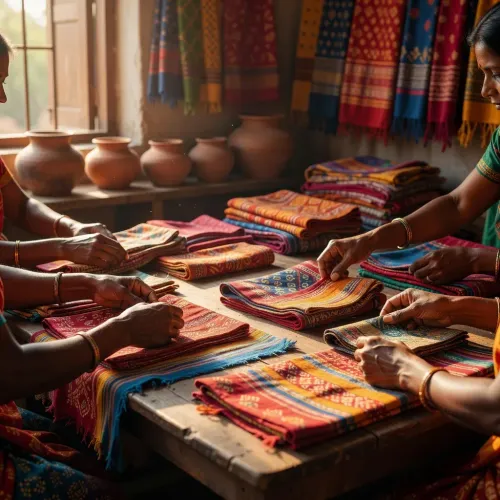
Madhya Pradesh has historically been among the larger states in terms of SHG network coverage under DAY-NRLM. The figure of 12.49 lakh+ Lakhpati Didis cited in the post represents rural women — primarily from economically weaker sections — who have reportedly crossed the annual income threshold set by the scheme. At the national level, the 3 crore+ figure cited reflects the scale at which the Union government has been expanding the programme, with targets for Lakhpati Didi beneficiaries having featured in successive Union Budget announcements. For SHG members, achieving the Lakhpati Didi status typically involves engagement in activities such as agri-allied enterprises, handicrafts, micro-food processing, or digital services — all supported through NRLM's convergence framework. The broader beneficiary pool includes families of enrolled women, whose household income and financial resilience are directly tied to the scheme's outcomes.What's Next
Policy watchers will track whether state and central government agencies release verified annual income data and updated beneficiary counts in forthcoming NRLM progress reports or budget documents. The hashtag campaign tied to this post suggests the ruling establishment intends to sustain the Lakhpati Didi narrative as a flagship proof-point of its welfare record heading into the political cycle. Any upward revision of national targets — or new skill verticals added to the scheme — is likely to be announced through Union Budget or scheme-review platforms in the months ahead. The trajectory of Madhya Pradesh's performance relative to other large states will also be a metric to watch as the programme matures.Point of View
Anchored to the '12 Years of Seva' campaign that the ruling establishment has been running to consolidate its welfare governance narrative. By foregrounding a specific state-level figure — 12.49 lakh — alongside the national 3 crore+ count, the Chief Minister's Office is positioning Madhya Pradesh as a high-performing state within the Lakhpati Didi ecosystem, which carries electoral salience in a state with a large rural women voter base. The Lakhpati Didi scheme itself represents an evolution in NRLM's design logic: shifting from passive financial inclusion to active income certification, a shift that makes the programme's outcomes more politically legible and verifiable. Whether the cited figures are backed by rigorous income-verification processes will determine the scheme's long-term credibility, and that question is likely to attract scrutiny from opposition benches and independent policy researchers alike.
NationPress
22 Sept 2026
Frequently Asked Questions
What is the Lakhpati Didi scheme?
Lakhpati Didi is a component of the Deendayal Antyodaya Yojana – National Rural Livelihoods Mission (DAY-NRLM) that aims to help women in self-help groups earn a sustained annual household income of at least one lakh rupees through skill training, credit access, and market linkages.
How many Lakhpati Didis are there in Madhya Pradesh?
According to the Chief Minister's Office of Madhya Pradesh, more than 12.49 lakh women in the state have achieved Lakhpati Didi status as of June 2026.
What is the national target for Lakhpati Didi beneficiaries?
The national count of Lakhpati Didis has crossed 3 crore as cited in the June 2026 post by the Chief Minister's Office of Madhya Pradesh; specific revised targets are expected to be announced through Union Budget or NRLM review platforms.
Who is responsible for implementing the Lakhpati Didi scheme?
The scheme is implemented through DAY-NRLM by state rural livelihoods missions in coordination with the Ministry of Women and Child Development; in Madhya Pradesh, the state WCD department and Chief Minister Mohan Yadav 's office are actively involved.
What does 'Nari Shakti' mean in the context of Indian government schemes?
'Nari Shakti' translates to 'women's power' and is used as an umbrella narrative by the central government to group women-centric welfare and empowerment initiatives, including Lakhpati Didi, under a single political and policy identity.