PM Modi urges states to double Lakhpati Didi target to 6 crore
Synopsis
Prime Minister Narendra Modi on 11 June 2026 called on state governments to double the Lakhpati Didi beneficiary count from 3 crore to 6 crore under DAY-NRLM, and urged stronger state focus on ODOP to boost district-level livelihoods for rural women and local artisans.
Key Takeaways
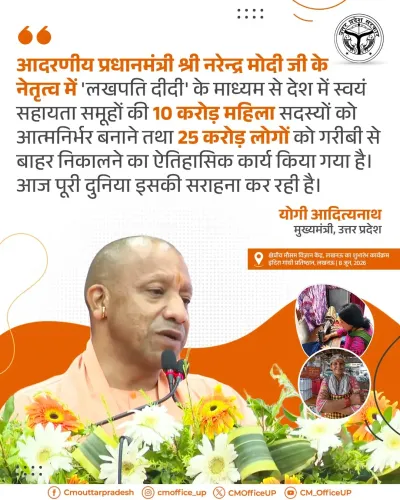
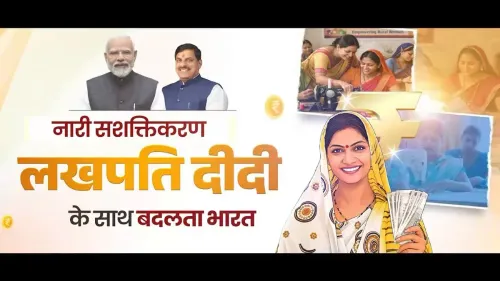
PM Modi called on states to scale the Lakhpati Didi programme from 3 crore to 6 crore beneficiaries.
The scheme targets rural women in Self Help Groups earning at least Rs 1 lakh annually through sustainable livelihoods.
Modi also urged states to prioritise One District One Product (ODOP) to create local employment and value chains.
Both programmes operate under the federal DAY-NRLM framework, with states responsible for on-ground delivery.
ODOP was piloted in Uttar Pradesh in 2018 and expanded nationally from 2021 .
Updated Lakhpati Didi progress data is expected in the next Economic Survey or parliamentary session.
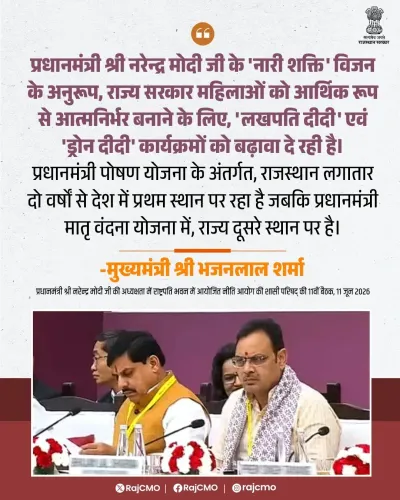
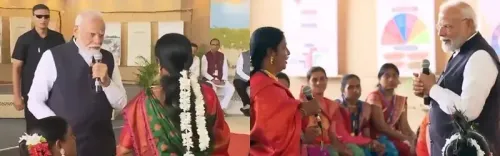
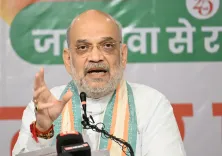
Prime Minister Narendra Modi on Thursday, 11 June 2026, called upon state governments to scale up the Lakhpati Didi programme from 3 crore to 6 crore beneficiaries, framing the push as central to the government's women-led development agenda. He also urged states to deepen their focus on the One District One Product (ODOP) initiative to expand local livelihood opportunities.
Context
In his post, Prime Minister Modi stated that he 'called upon the states to work towards increasing the number of Lakhpati Didis from 3 crore to 6 crore, which will further strengthen our collective endeavour of women-led development.' He also 'urged the states to focus on ODOP initiatives, which provide opportunities to the local' economy — a reference to the district-level production programme that links rural artisans and micro-enterprises to broader value chains.
The remarks were addressed to state governments, underscoring the federal delivery model through which national welfare targets are translated into on-ground action by state administrations.
Policy Backdrop
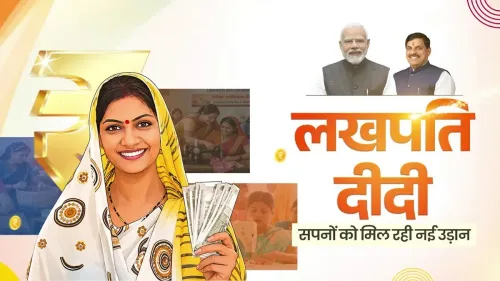
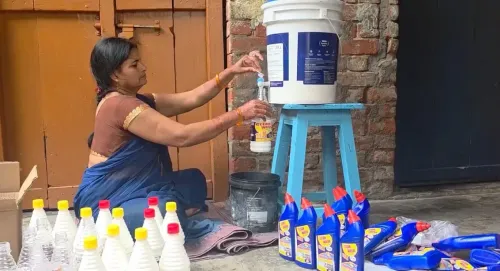
The Lakhpati Didi scheme operates under the Deendayal Antyodaya Yojana-National Rural Livelihoods Mission (DAY-NRLM), the flagship rural poverty alleviation programme that has mobilised rural women into Self Help Groups (SHGs) since its national scaling in 2011. The scheme targets enabling each enrolled woman to earn at least Rs 1 lakh annually through sustainable livelihood activities including skill training, micro-enterprise support, and credit linkage.
The Lakhpati Didi target was first articulated around 2021-22 and has since been featured in successive Union Budget speeches and Independence Day addresses by the Prime Minister. Doubling the target to 6 crore represents a significant step-up in the programme's ambition and would require commensurate state-level budget allocations and administrative capacity.
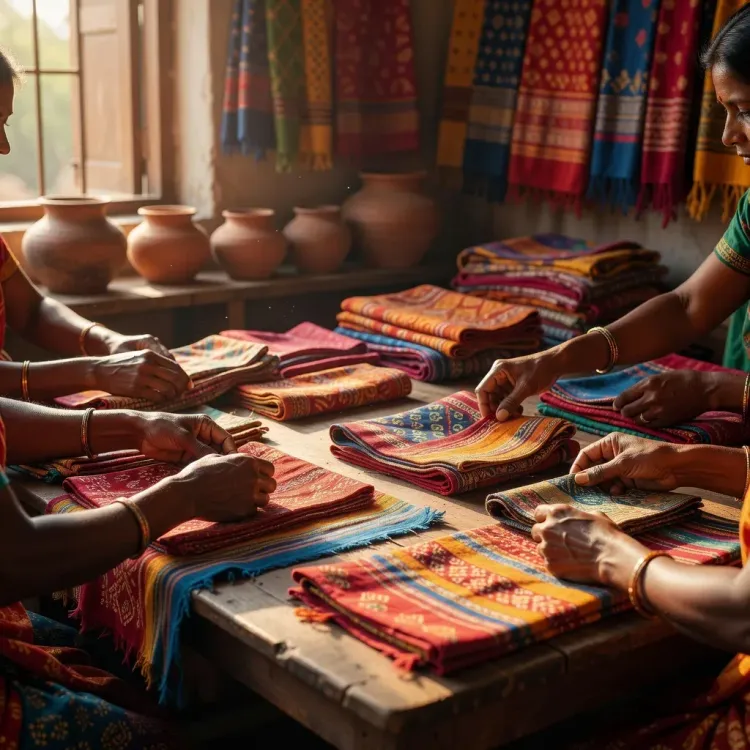
The ODOP initiative was piloted in Uttar Pradesh in 2018 before being expanded nationally from 2021. It identifies one signature local product per district — ranging from handicrafts to agri-produce — and builds value chains, branding, and export linkages around it. The programme is designed to complement SHG-based livelihoods by creating product-specific demand and market access for women entrepreneurs and local artisans.
Stakeholders and Impact
The primary beneficiaries of the Lakhpati Didi expansion would be rural women currently enrolled in SHGs under DAY-NRLM who have not yet crossed the Rs 1 lakh annual income threshold. Achieving the 6 crore target would effectively double the number of women with demonstrable income security within the SHG ecosystem.
For the ODOP push, the key stakeholders are local artisans, weavers, farmers, and micro-entrepreneurs whose livelihoods are tied to district-specific products. Stronger state focus on ODOP could mean improved access to credit, packaging, e-commerce platforms, and export facilitation for these communities.
State governments bear the implementation burden, and their response in terms of annual action plans and resource allocation for 2026-27 will determine the pace of progress on both fronts.
What's Next
The call to states signals that the Centre expects Lakhpati Didi and ODOP to feature prominently in state NRLM action plans and budgets for the coming fiscal year. Updated progress data on Lakhpati Didi enrolment and income certification is expected to surface in the next Economic Survey or during the upcoming parliamentary session. Observers will also watch whether states with large SHG networks — such as Andhra Pradesh, Telangana, Bihar, and Uttar Pradesh — announce specific roadmaps in response to the Prime Minister's directive.
Point of View
The Centre is attempting to close the loop between women's collectives and product-market linkages — addressing a persistent criticism that SHG membership alone does not guarantee sustainable income. The federal framing, however, places the burden of execution squarely on states, meaning outcomes will vary sharply depending on administrative capacity and political will. This announcement is likely to become a benchmark figure in BJP's campaign messaging ahead of any upcoming state elections.
NationPress
14 Sept 2026
Frequently Asked Questions
What is the Lakhpati Didi scheme?
Lakhpati Didi is a target under the DAY-NRLM programme that aims to enable rural women in Self Help Groups to earn at least Rs 1 lakh annually through skills training, micro-enterprise support, and credit linkages.
What is the new Lakhpati Didi target set by PM Modi?
PM Modi has called upon states to increase the number of Lakhpati Didis from 3 crore to 6 crore, effectively doubling the programme's reach.
What is the ODOP initiative in India?
The One District One Product (ODOP) initiative identifies a signature local product for each district and builds value chains, branding, and market access around it to support artisans, farmers, and micro-enterprises.
Which ministry runs the DAY-NRLM programme?
DAY-NRLM, the Deendayal Antyodaya Yojana-National Rural Livelihoods Mission, is run by the Ministry of Rural Development and is the flagship programme for organising rural women into Self Help Groups.
How does ODOP connect to Lakhpati Didi?
ODOP complements Lakhpati Didi by creating product-specific demand and market linkages for women SHG members and local artisans, helping them convert skills and produce into sustainable income above the Rs 1 lakh annual threshold.