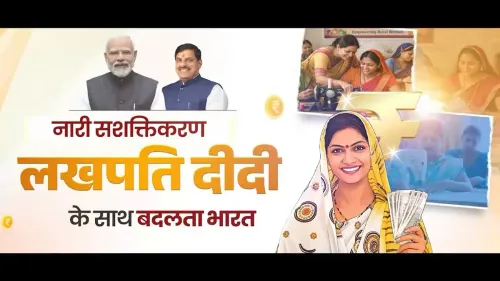
Lakhpati Didi scheme empowers rural women, 3 crore target set by Centre
Synopsis
From embroidery workshops in Chandauli to a sewing machine in Keonjhar, rural women are citing the Lakhpati Didi scheme as a turning point — and the Centre is betting on scaling this to 3 crore women. Whether the income gains last beyond the loan cycle is the question independent assessments have yet to fully answer.
Key Takeaways
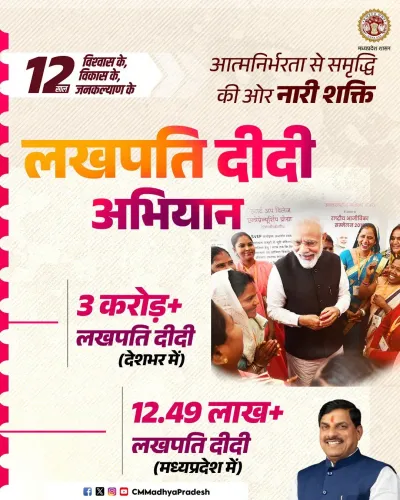
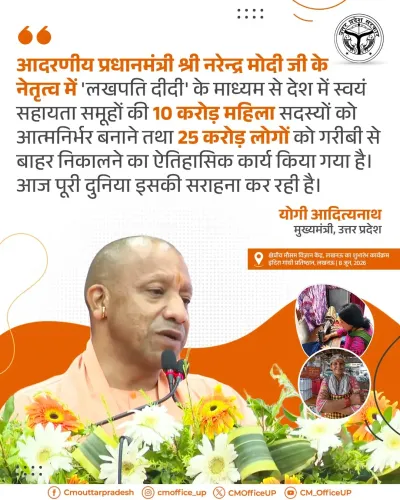
The Lakhpati Didi scheme under NRLM aims to bring 3 crore women to an annual income of at least ₹1 lakh .
Women in Chandauli, Uttar Pradesh are running Zari-Zardosi embroidery businesses under the ODOP scheme, benefiting around 11 Muslim families .
Jyotsna Rani Mahanta of Govindpur village, Keonjhar used a ₹1 lakh Lakhpati Didi loan to purchase a sewing machine and achieve financial independence.
The BJP launched the Seva Sankalp Abhiyan on 17 September to mark PM Modi's birthday and 25 years in public service.
Independent verification of 'Lakhpati' income status and post-repayment sustainability remain areas requiring scrutiny.
Rural women beneficiaries of the Lakhpati Didi scheme under the National Rural Livelihood Mission (NRLM) have credited Prime Minister Narendra Modi's government initiatives with transforming their financial lives, as the Bharatiya Janata Party (BJP) launched the 'Seva Sankalp Abhiyan' on 17 September 2026 to mark the Prime Minister's birthday and his 25 years in public service. Women from Uttar Pradesh and Odisha shared accounts of how access to loans, self-help groups, and skill-based programmes had helped them move from financial dependence to independent livelihoods.
Chandauli's Self-Help Groups Lead the Way
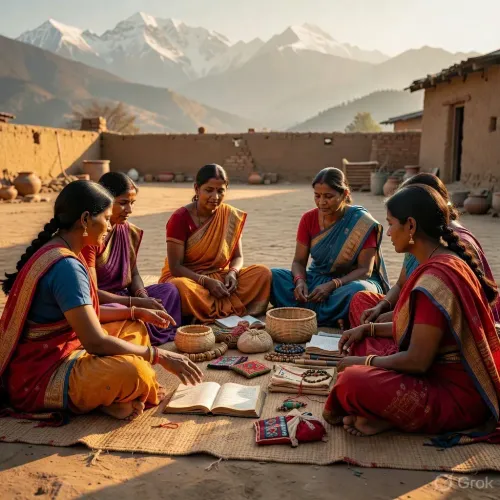
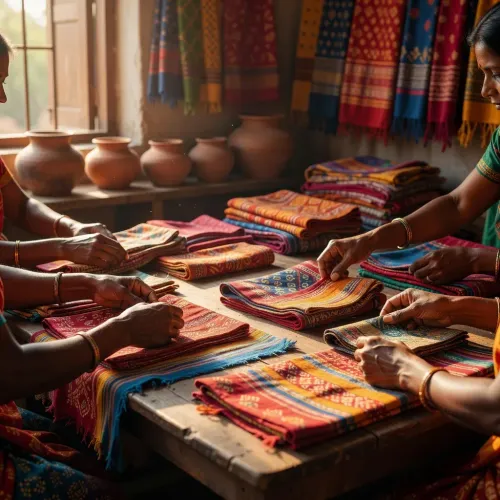
In Chandauli district of Uttar Pradesh, women connected to self-help groups under the NRLM have built small enterprises and are now generating employment for other women in their communities. The Zari-Zardosi embroidery craft, promoted under the 'One District, One Product' (ODOP) scheme, has become an economic anchor for around 11 Muslim families in the area.
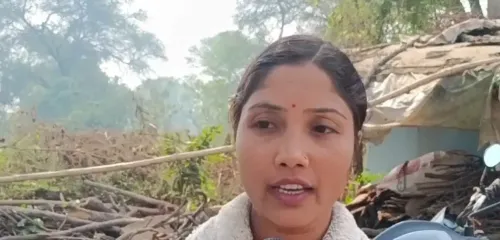
Rekha Kumari, a beneficiary associated with the group, said her life had undergone a major transformation after joining the NRLM. The group's president, Afshana, along with members Ashiya and Parveen, said they are now earning incomes and contributing financially to their families — adding that the self-help group experience had also strengthened their confidence and self-reliance.
Odisha Beneficiary Buys Sewing Machine, Earns Independent Income
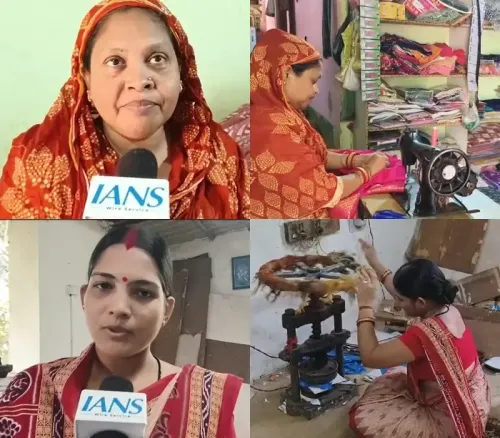
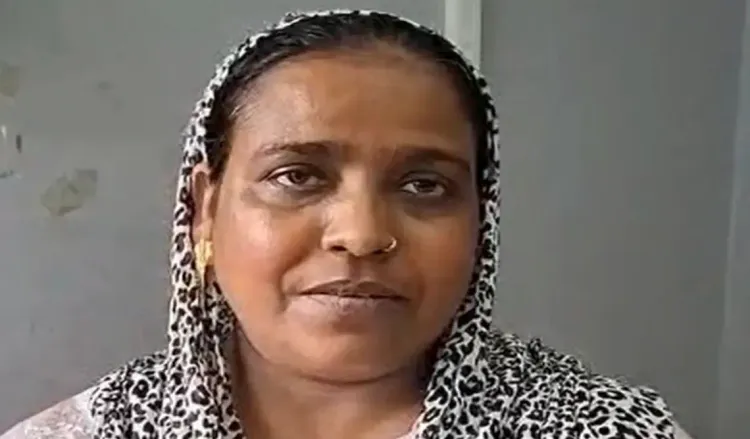
Jyotsna Rani Mahanta from Govindpur village in Keonjhar district, Odisha, described how a ₹1 lakh loan under the scheme changed her circumstances. 'I received a loan of ₹1 lakh under the Lakhpati Didi scheme. Earlier, I found it very difficult to run my household. But now, I have purchased a sewing machine; I work on it and earn a good income, which allows me to manage my household expenses,' she said.
Mahanta added that the opportunity had helped her overcome the financial difficulties she previously faced and had given her a means to earn independently. She extended birthday greetings to the Prime Minister and expressed hope that the government would continue supporting rural women.
Government's 3-Crore Target for Lakhpati Didis
According to beneficiaries, the government has set a target of making 3 crore women 'Lakhpati Didis' — those earning an annual income of at least ₹1 lakh — through the NRLM framework. This is being described by supporters of the scheme as one of the most significant women's empowerment drives in rural India's recent history.
Notably, the NRLM has been operational for over a decade, and the Lakhpati Didi initiative represents a more recent push to link self-help group membership to measurable income thresholds. Critics, however, have noted that independent verification of 'Lakhpati' status and the sustainability of income post-loan repayment remain areas requiring closer monitoring.
Seva Sankalp Abhiyan and the BJP's Outreach
The stories emerged on the occasion of the BJP's Seva Sankalp Abhiyan, a public service campaign timed to coincide with Prime Minister Modi's birthday on 17 September and his quarter-century milestone in electoral politics. The party has used the occasion to spotlight beneficiaries of flagship welfare schemes as part of its broader outreach strategy ahead of state elections.
The NRLM's self-help group network — one of the largest of its kind globally — is expected to continue expanding, with the Centre aiming to deepen penetration in states where rural women's financial inclusion remains limited.
Point of View
Yet they are also curated on the occasion of the BJP's Seva Sankalp Abhiyan, which warrants noting. The deeper question is whether NRLM's self-help group infrastructure — stretched across India's most financially excluded districts — can sustain income gains after loans are repaid and the scheme spotlight moves on.
NationPress
17 Sept 2026
Frequently Asked Questions
What is the Lakhpati Didi scheme?
The Lakhpati Didi scheme is a Central government initiative under the National Rural Livelihood Mission (NRLM) that aims to help rural women earn an annual income of at least ₹1 lakh through self-help groups, skill development, and access to loans. The government has set a target of making 3 crore women 'Lakhpati Didis' across India.
Who are the beneficiaries of the Lakhpati Didi scheme?
The scheme targets rural women connected to self-help groups under the NRLM. Beneficiaries include women from economically weaker sections who receive loans, skill training, and market linkages to establish or expand small businesses and achieve financial independence.
What is the government's target under the Lakhpati Didi scheme?
The Centre has set a target of making 3 crore women Lakhpati Didis — meaning women earning at least ₹1 lakh annually — through the NRLM's self-help group network. This is positioned as one of the largest women's financial empowerment drives in rural India.
What is the Seva Sankalp Abhiyan launched by the BJP?
The Seva Sankalp Abhiyan is a BJP-organised public service campaign launched on 17 September to mark Prime Minister Narendra Modi's birthday and his completion of 25 years in public service. The campaign spotlights beneficiaries of flagship government welfare schemes across the country.
How has the Lakhpati Didi scheme helped women in Chandauli and Keonjhar?
In Chandauli, Uttar Pradesh, women self-help group members are running Zari-Zardosi embroidery businesses under the ODOP scheme, creating livelihoods for around 11 Muslim families. In Keonjhar, Odisha, beneficiary Jyotsna Rani Mahanta used a ₹1 lakh loan from the scheme to purchase a sewing machine and earn an independent income.