Marigold farming in J&K's Doda empowers women, lifts rural incomes
Synopsis
In J&K's remote Doda district, a five-woman pilot on barren land has grown into a community floriculture movement. Backed by CSIR-IIIM and the Centre's Floriculture Mission, marigold growers fetched ₹60 per kg during Navratri — nearly double normal rates — with one beneficiary already crossing ₹3 lakh in sales. It is a quiet but concrete example of science-backed rural enterprise changing lives in a region more often covered for conflict than commerce.
Key Takeaways
The Union Ministry of Science and Technology's Floriculture Mission , implemented through CSIR-IIIM , is supporting marigold cultivation in Doda district, J&K .
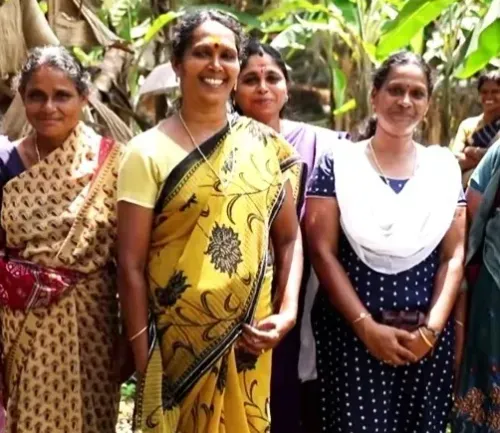
Women in SHGs under NRLM in Sartingal village (Bhaderwah) and Athkhar Valley started with just five participants on unused land.
Marigold prices rose from ₹30–35 per kg to ₹60 per kg during the Navratri festive season, nearly doubling earnings.
Beneficiary Rani , associated with the Umeed scheme for 8 years , has sold marigolds worth over ₹3 lakh over 3 years of cultivation.
The group is now training and supplying seeds to neighbouring farmers, creating a peer-led expansion of the programme.
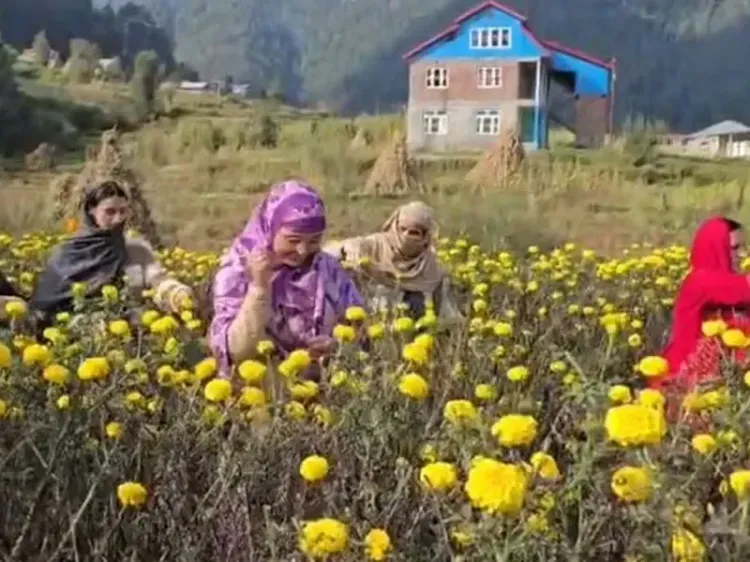
The Union Ministry of Science and Technology's Floriculture Mission is reshaping rural livelihoods in Jammu and Kashmir's Doda district, where women affiliated with Self-Help Groups (SHGs) under the National Rural Livelihood Mission (NRLM) are turning previously barren land into productive marigold fields — and earning meaningful income in the process. The initiative, supported by the CSIR-Indian Institute of Integrative Medicine (CSIR-IIIM), marks a significant diversification away from subsistence agriculture in one of the region's more remote highland areas.
How the Initiative Took Root
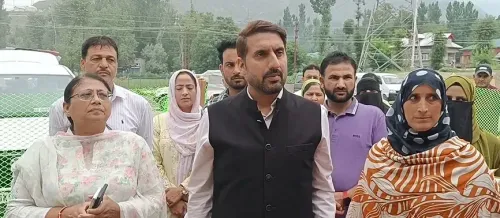
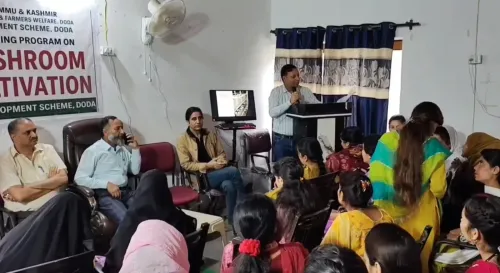
In Sartingal village in Bhaderwah and the Athkhar Valley region, the programme was piloted with just five women who agreed to experiment with marigold cultivation on unused plots. The effort is spearheaded by NRLM Cluster Coordinator Nadia Farooq, who said the Floriculture Mission supplied participants with quality planting material, modern cultivation training, and continuous technical guidance — enabling a shift beyond traditional maize-dominated farming.
According to Farooq, the women obtained seeds from CSIR-IIIM officials and ventured into commercial floriculture after being encouraged by the institute's hands-on support. Within roughly one-and-a-half months, the pilot group began supplying marigold flowers to traders in Jammu, generating a steady additional income stream.
Earnings and the Festive Season Boost
Marigold flowers in the region typically fetch ₹30–35 per kg, according to Farooq. However, surging demand during the Navratri festive period pushed prices to ₹60 per kg — nearly double the baseline rate — significantly improving returns for growers. The seasonal spike underscores the commercial opportunity that religious and festive demand cycles create for floriculture farmers across northern India.
A Local Role Model Emerges
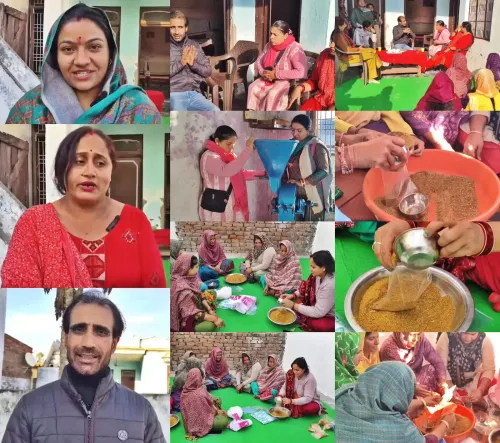
Among the beneficiaries, a woman named Rani has become a visible symbol of women-led rural entrepreneurship in the area. Associated with the Umeed scheme for the past eight years, she initially ran a small business before expanding into marigold cultivation three years ago. To date, Rani has reportedly sold marigold flowers worth more than ₹3 lakh, providing her family with a reliable supplementary income. She credited access to quality seeds, structured training programmes, and awareness campaigns under the floriculture initiative for improving both yield and crop quality.
Ripple Effect Across the Community
The pilot group is now actively encouraging neighbouring farmers to integrate marigold cultivation alongside conventional crops. According to Farooq, the women are themselves extending support to interested growers — sharing seeds, providing training, and offering financial guidance. This peer-driven expansion model reflects a broader objective of the NRLM: to build self-sustaining agricultural communities rather than dependency on state intervention alone.
Wider Significance for J&K's Rural Economy
This comes amid a broader push by the Centre to develop non-traditional agricultural sectors in Jammu and Kashmir, particularly in districts like Doda that have historically lagged in rural income metrics. Commercial floriculture represents a relatively low-capital, high-return diversification option for smallholders, and the CSIR-IIIM's involvement lends scientific credibility to the crop management methods being adopted. As the programme scales, observers will watch whether consistent market linkages — particularly beyond the seasonal festive window — can be secured to sustain incomes year-round.
Point of View
Not a business model. Unless the Floriculture Mission builds year-round offtake channels to urban mandis or export aggregators, these women remain hostage to seasonal price spikes. The programme's peer-training model is its most replicable feature, and the Centre would do well to document and scale it rather than treating Doda as a headline showcase.
NationPress
1 Nov 2026
Frequently Asked Questions
What is the Floriculture Mission supporting marigold farming in Doda?
The Union Ministry of Science and Technology's Floriculture Mission, implemented on the ground by CSIR-IIIM, provides women SHG members in Doda with quality planting material, training in modern cultivation techniques, and continuous technical support. The goal is to diversify rural incomes beyond traditional crops like maize through commercial flower cultivation.
How much are women earning from marigold farming in Doda?
Marigold flowers typically fetch ₹30–35 per kg in the region, but festive demand during Navratri pushed prices to ₹60 per kg, significantly boosting returns. One beneficiary, Rani, has sold marigolds worth more than ₹3 lakh over three years of cultivation.
Where in J&K is the marigold cultivation initiative taking place?
The initiative is active in Sartingal village in Bhaderwah and the Athkhar Valley region, both in Doda district of Jammu and Kashmir. Flowers grown there are being supplied to traders in Jammu.
Who is leading the programme at the community level?
NRLM Cluster Coordinator Nadia Farooq is spearheading the initiative locally, having introduced the concept to a group of five women who first cultivated marigolds on unused land. The group has since begun training other farmers in the area.
Why is marigold farming significant for women in Doda?
Marigold cultivation offers women a relatively low-capital, high-return crop that complements rather than replaces existing farming. It gives SHG members a new income stream, a role in community agricultural leadership, and — through peer training — a platform to expand economic opportunity for other rural households in the district.