Lakhpati Didi Yojana lifts rural women in Neemuch into entrepreneurship
Synopsis
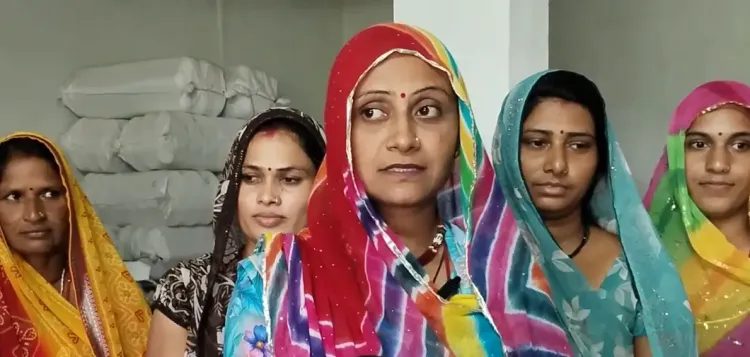
In Neemuch, Madhya Pradesh, the Lakhpati Didi Yojana is doing what many welfare schemes struggle to: converting homemakers into entrepreneurs. With NRLM credit ladders reaching ₹12 lakh per group and active SHGs multiplying from 5 to 36 in a single gram panchayat, the ground-level numbers suggest the scheme's peer-group model is accelerating its own spread — with women like Ragini Rajput and Deepika Bagdi now functioning as on-the-ground recruiters.
Key Takeaways
The Lakhpati Didi Yojana , backed by NRLM self-help groups, is enabling rural women in Neemuch, Madhya Pradesh to launch businesses in dairy, retail, manufacturing, and tailoring.
Credit is disbursed in progressive tranches — starting from as low as ₹13,000 and scaling to ₹12 lakh per group.
Active self-help groups in one gram panchayat in Neemuch have grown from 5 to 36 under the scheme.
Ranjana Kunwar Ranawat now earns ₹20,000–₹25,000 per month from a general store funded through a ₹6 lakh SHG loan.
Deepika Bagdi joined NRLM in 2020 and her group has accessed cumulative credit expanding to ₹12 lakh , supporting a dairy farm and animal-feed business.
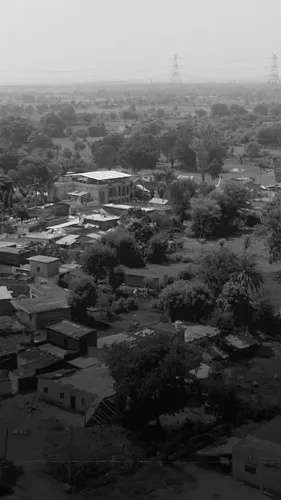
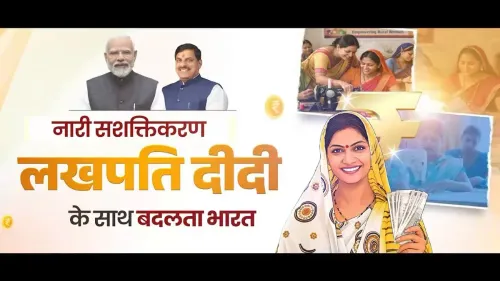
The Lakhpati Didi Yojana, a Central government initiative designed to make rural women financially self-reliant, is delivering measurable change in Neemuch district, Madhya Pradesh, with dozens of women-led enterprises now operating across villages that had little history of female entrepreneurship. Backed by self-help groups (SHGs) formed under the National Rural Livelihoods Mission (NRLM), beneficiaries are running flour mills, dairy farms, leaf-plate manufacturing units, tailoring centres, grocery shops, and clothing businesses — funding their ventures through a tiered credit system of Revolving Funds, Community Investment Funds, and Community Credit Line loans.
How the credit ladder works
The scheme channels finance in progressive tranches rather than a single lump sum. A group may begin with a Revolving Fund of ₹13,000 and, after demonstrating repayment discipline, graduate to loans of ₹1 lakh, ₹2 lakh, ₹5 lakh, and eventually ₹9 lakh to ₹12 lakh. This step-by-step model, officials say, reduces default risk while building financial literacy among first-time borrowers. The structured escalation has allowed groups that started with subsistence savings to operate businesses with working capital in the double-digit lakh range within a few years.
Stories from the field
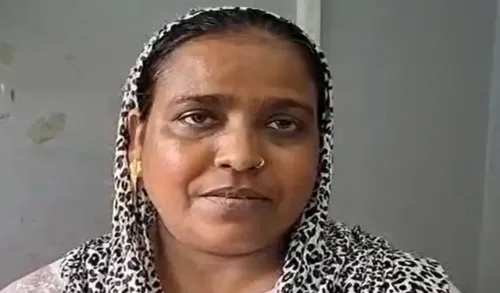
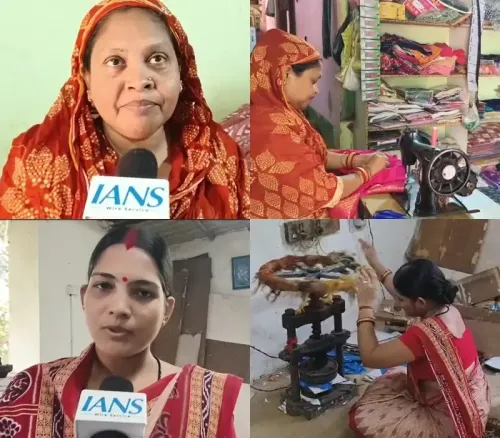
Ragini Kunwar Rajput, a resident of Sarwaniyabor village, joined the Kisan Saheli Self-Help Group through NRLM. She initially opened a small clothing shop before investing in a leaf-plate and bowl manufacturing machine — creating a second income stream. Her group has since received loan approval of up to ₹6 lakh. Notably, she has also started forming additional SHGs in her village, drawing more women into income-generating activities.
Monika Kunwar, also from Sarwaniyabor and a member of the Narmada Self-Help Group, was a homemaker with no independent income before joining NRLM. Her association with the group opened employment and income-generation avenues, improving her household's financial position.
Deepika Bagdi of Karadiya Maharaj village joined NRLM in 2020 and founded the Khatu Shyam Self-Help Group with 13 members. The group started with a Revolving Fund of ₹13,000 and has since accessed cumulative credit expanding to ₹12 lakh. Using a ₹1 lakh loan, Deepika and her co-members established a dairy farm; earlier credit helped them launch an animal-feed business. She credits the scheme with a dramatic structural shift in her village: the number of active SHGs in the gram panchayat has grown from 5 to 36.
Ranjana Kunwar Ranawat, a member of the Shiv Shakti Self-Help Group in the same village, used a ₹6 lakh loan to open a general store stocking cosmetics, children's clothing, and women's accessories. She now earns approximately ₹20,000 to ₹25,000 per month — a figure that would have been out of reach before she joined the group. 'Before joining the group, I was primarily engaged in household responsibilities and had no independent source of income,' she said.
Omkari Salvi, also from Karadiya Maharaj village, received initial financial assistance of ₹30,000 followed by ₹60,000. She has since established a wholesale outlet dealing in groceries, bangles, traditional accessories, clothing, and footwear. She also completed a tailoring training course through NRLM and added tailoring services to her offerings. Her group is currently awaiting approval for a ₹6 lakh loan.
Broader impact on Neemuch's rural economy
The Neemuch experience reflects a pattern visible across several NRLM-active districts in Madhya Pradesh: when credit access, skills training, and peer-group accountability are combined, the barriers to first-generation entrepreneurship among rural women fall significantly. The multiplication of SHGs — from 5 to 36 in a single gram panchayat, according to Deepika Bagdi — suggests that successful members are functioning as informal recruiters, accelerating the scheme's reach without additional state expenditure.
What comes next
As loan approvals continue to be processed and new groups form, the sustainability of these enterprises will depend on market access and continued institutional support beyond the initial credit cycle. Observers note that the transition from loan-backed startups to self-sustaining businesses is the critical second phase — one that the scheme's design is still being tested against. The trajectory in Neemuch, however, offers an early indication that the Lakhpati Didi Yojana's multi-layered approach is gaining traction at the grassroots level.
Point of View
Not the government press office — women citing specific loan amounts, income figures, and SHG multiplication rates is a stronger signal than ministerial dashboards. The real policy question is whether the scheme's first phase, which is essentially credit delivery, is being matched by a second phase of market linkages and business continuity support. Without that, the risk is that loan-funded micro-enterprises remain fragile once the initial capital is deployed. The jump from 5 to 36 SHGs in a single gram panchayat also raises a monitoring question: rapid expansion can dilute institutional quality if NRLM's district-level capacity does not scale proportionately.
NationPress
26 Oct 2026
Frequently Asked Questions
What is the Lakhpati Didi Yojana?
The Lakhpati Didi Yojana is a Central government initiative aimed at making rural women financially self-reliant by helping them establish income-generating businesses through NRLM self-help groups. It provides access to tiered credit — from small Revolving Funds to loans of several lakh rupees — along with skills training and collective peer support.
How do NRLM self-help groups provide loans to women?
NRLM groups channel finance in progressive tranches: a group may start with a Revolving Fund of ₹13,000 and, after demonstrating repayment discipline, access Community Investment Fund and Community Credit Line loans reaching ₹12 lakh or more. The step-up model builds financial literacy while reducing default risk.
Who are some of the beneficiaries in Neemuch?
Beneficiaries include Ragini Kunwar Rajput (leaf-plate manufacturing and clothing), Deepika Bagdi (dairy farm and animal-feed business), Ranjana Kunwar Ranawat (general store, earning ₹20,000–₹25,000 per month), and Omkari Salvi (wholesale grocery, accessories, and tailoring). All are residents of Sarwaniyabor or Karadiya Maharaj villages in Neemuch district.
How much has the scheme expanded SHG participation in Neemuch?
According to beneficiary Deepika Bagdi, the number of active self-help groups in her gram panchayat in Karadiya Maharaj village has grown from just 5 to 36 since the scheme's implementation, indicating significant grassroots expansion.
What types of businesses have women started under the scheme?
Women in Neemuch have launched flour mills, leaf-plate and bowl manufacturing units, dairy farms, animal-feed businesses, tailoring centres, grocery and general stores, wholesale shops dealing in bangles and accessories, and clothing businesses — all supported through NRLM credit and training.