White House Claims 20,000 Noncitizens on California Voter Rolls
Synopsis
The White House claims a minimum of 20,000 noncitizens appear on California voter rolls, invoking the state's 2018 DMV auto-registration controversy, and demands Congress pass the SAVE AMERICA ACT to secure US elections.
Key Takeaways
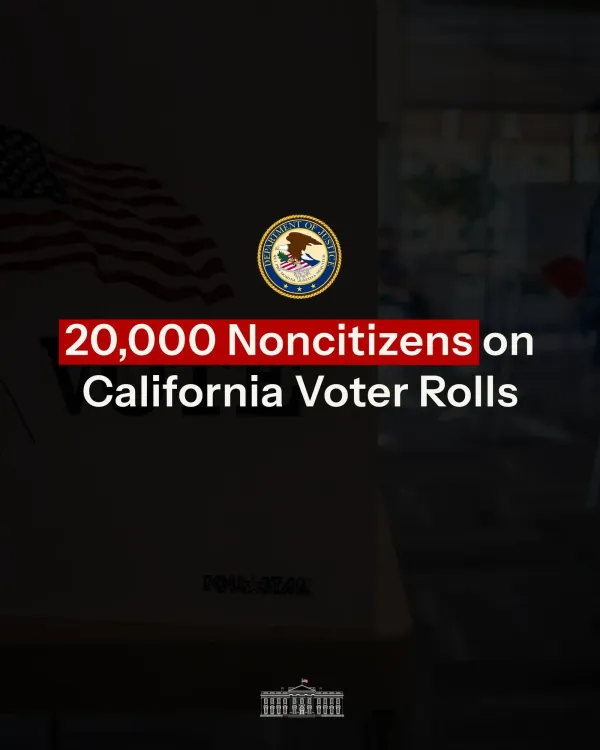
The White House posted on October 26, 2026 that at least 20,000 noncitizens are currently on California 's voter rolls.
California introduced automatic voter registration via its DMV in 2018 , which led to documented software errors placing ineligible individuals on rolls.
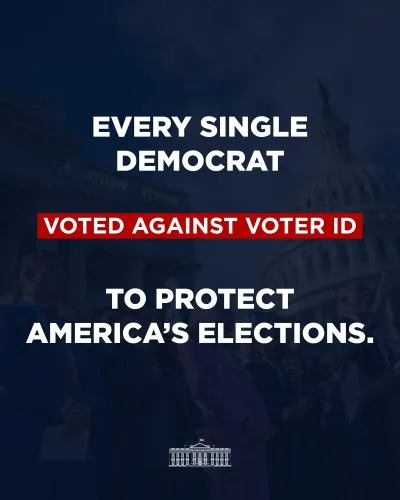
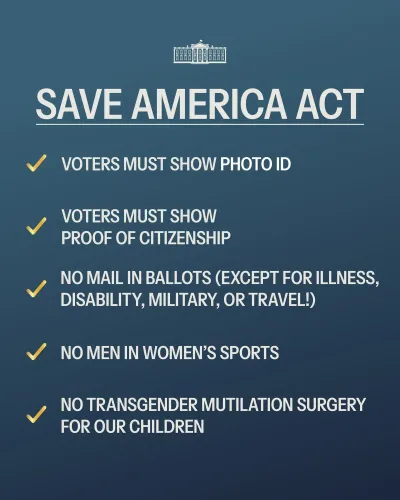
The White House is calling on Congress to pass the SAVE AMERICA ACT , a proposed federal bill targeting voter eligibility verification.
The specific figure of 20,000 is unverified by independent sources; California officials have historically disputed sweeping noncitizen registration claims.
The dispute reflects a long-running US partisan divide: stricter verification versus broader voter access.
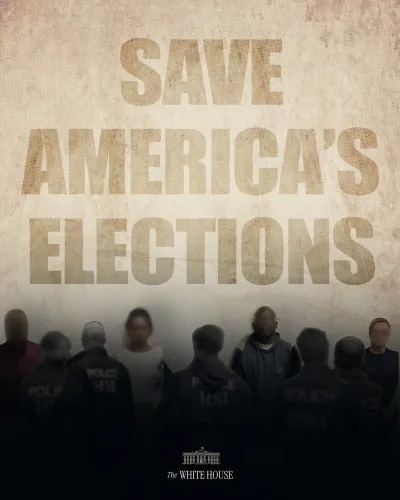
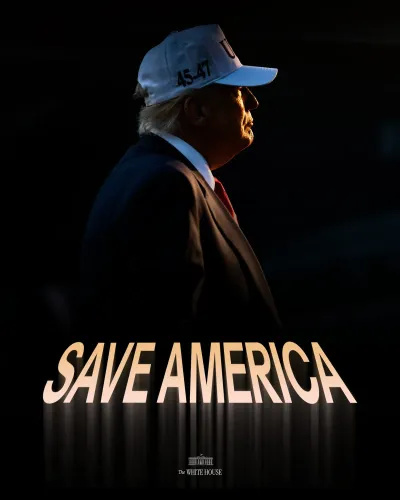
A pointed demand from the highest office in the United States landed on Monday, October 26, 2026 — the White House publicly asserting that at least 20,000 noncitizens appear on California's voter rolls, and calling on Congress to pass the SAVE AMERICA ACT to close what it describes as a persistent hole in American election security.
The California voter roll controversy, explained
The allegation is not emerging from thin air. California introduced automatic voter registration through its Department of Motor Vehicles (DMV) in 2018, a landmark move to expand civic participation in the most populous US state. Almost immediately, the programme ran into trouble: a software error resulted in confirmed reports of ineligible individuals — including noncitizens — being added to the rolls. Election officials at the time corrected identified errors and insisted safeguards were in place, but the episode seeded a debate that has never fully quieted.
The White House post revisits that fault line sharply, framing the current figure of 20,000 noncitizens as proof that the problem was never resolved. 'The thing they said doesn't happen is happening again,' the post states — a direct rebuttal to officials and commentators who have argued noncitizen registration is a marginal or non-existent threat to election integrity.
What the SAVE AMERICA ACT would do
The SAVE AMERICA ACT is proposed federal legislation aimed at tightening voter eligibility verification across the country. Its proponents argue that federal law must mandate citizenship checks at the point of registration, rather than leaving it to individual states to manage — and that California's DMV experience is precisely the kind of systemic vulnerability it is designed to prevent.
The bill sits squarely within a long-running partisan fault line in US election policy: Republican-aligned proposals have consistently pushed for stricter identity and citizenship verification, while Democratic-aligned positions have emphasised voter access and argued that existing safeguards are adequate. The White House post — framing passage as urgent — signals the administration intends to make this a live legislative priority.
Why the numbers matter — and what remains contested
The specific figure of 20,000 noncitizens is the sharpest element of the claim, and it will be scrutinised closely. California election officials and independent monitors have historically pushed back on sweeping characterisations of noncitizen registration, arguing that discovered errors are corrected before any votes are cast. The White House post does not cite the source of the figure, and congressional opponents are expected to demand documentation before the SAVE AMERICA ACT advances.
For Indian observers watching US democratic mechanics, the episode illustrates a wider global tension: how do democracies build voter registration systems that are simultaneously open, accurate, and fraud-resistant? The US has no single national voter roll — each state administers its own, a decentralisation that creates both flexibility and gaps.
With the SAVE AMERICA ACT now named from the White House's own account, its fate in Congress becomes the clearest next act in this unfolding election-integrity fight.
Point of View
Contestable number to it. By naming the SAVE AMERICA ACT explicitly, the administration is testing whether a concrete legislative vehicle can convert a grievance into a policy win. The California DMV episode of 2018 gives the claim historical grounding, but the leap to 20,000 will require documentary proof to survive congressional scrutiny. Regardless of outcome, the post signals that election integrity will remain a central mobilising issue heading into the next electoral cycle.
NationPress
26 Oct 2026
Frequently Asked Questions
What is the SAVE AMERICA ACT?
The SAVE AMERICA ACT is a proposed US federal law designed to strengthen voter eligibility verification, including citizenship checks at the point of voter registration, to prevent noncitizens from being added to voter rolls.
Why are noncitizens on California voter rolls?
A software error in California's DMV automatic voter registration system, introduced in 2018, resulted in some ineligible individuals including noncitizens being added to voter rolls. State officials corrected identified errors at the time, but the White House now claims at least 20,000 noncitizens remain on the rolls.
Can noncitizens vote in US elections?
No. Voting in US federal and state elections is restricted to US citizens. Noncitizens on voter rolls are considered ineligible registrants; the debate is over how many exist and whether adequate checks are in place to remove them.
What did California's DMV automatic voter registration do?
Starting in 2018, California automatically registered eligible residents to vote when they interacted with the DMV. A subsequent software glitch caused some ineligible individuals, including noncitizens, to be registered, triggering a national debate over automatic registration safeguards.
What happens next with the SAVE AMERICA ACT?
The bill must pass both chambers of the US Congress. The White House call for its passage will likely intensify legislative debate, with supporters demanding citizenship verification mandates and opponents arguing existing state safeguards are sufficient.