CM Yogi Hails Modi Govt's Lakhpati Didi, SHG Push
Synopsis
Chief Minister Yogi Adityanath's office has credited PM Narendra Modi's Lakhpati Didi initiative with making 10 crore self-help group women self-reliant and pulling 25 crore people out of poverty, calling it a historic achievement drawing global recognition.
Key Takeaways
The Chief Minister's Office of Uttar Pradesh, on behalf of CM Yogi Adityanath , praised PM Narendra Modi 's government for milestones under the Lakhpati Didi scheme on June 12, 2026 .
The post claims 10 crore women in self-help groups have been made self-reliant through the scheme.
The post also claims 25 crore people have been lifted out of poverty under the Modi government.
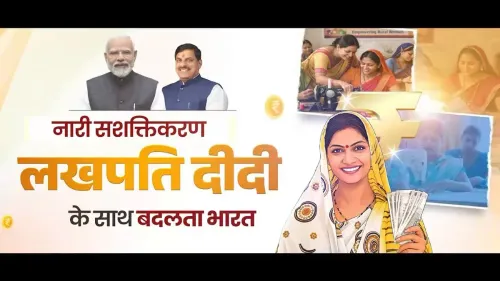
The Lakhpati Didi initiative, announced in 2023 , targets a minimum annual income of Rs 1 lakh for SHG women.
India's SHG model traces its policy lineage to the Swarnjayanti Gram Swarozgar Yojana of 1999 and the DAY-NRLM launched in 2011 .
Independent verification of the headline poverty and SHG membership figures remains a key watchpoint for policy observers.
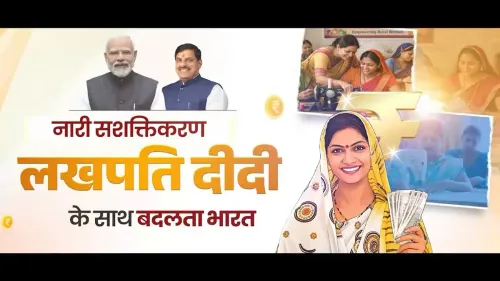
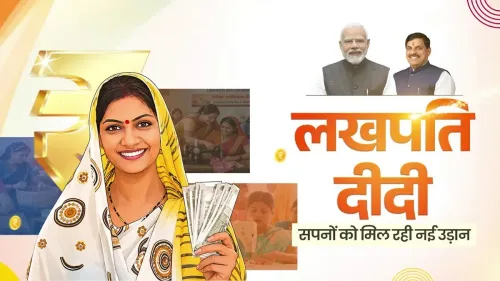
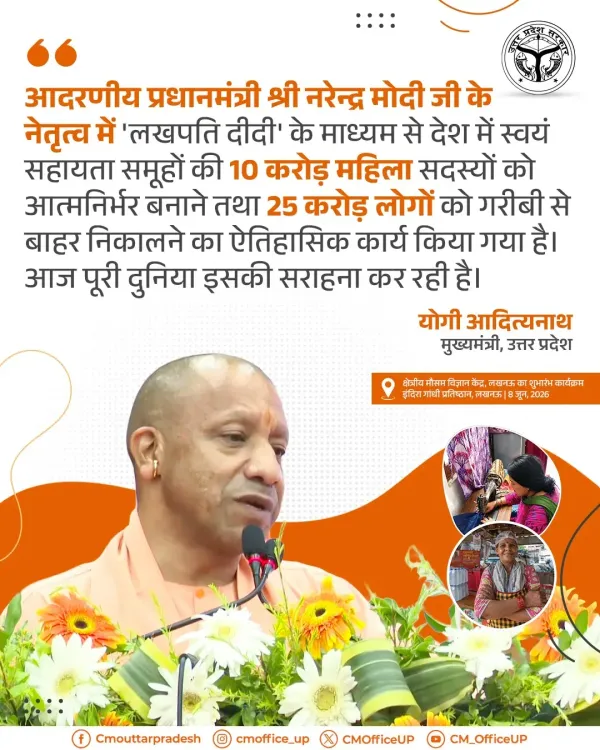
The Chief Minister's Office of Uttar Pradesh, on behalf of Chief Minister Yogi Adityanath, on Friday, June 12, 2026, credited the Narendra Modi-led central government with achieving historic milestones in women's economic empowerment and poverty alleviation through the Lakhpati Didi scheme and the self-help group movement.
The post stated, in translation: 'Under the leadership of respected Prime Minister Shri Narendra Modi, the historic work of making 10 crore women members of self-help groups across the country self-reliant through 'Lakhpati Didi', and lifting 25 crore people out of poverty, has been accomplished. Today the entire world is appreciating this.' The original Hindi phrase 'आत्मनिर्भर बनाने' [making self-reliant] reflects the government's broader Atmanirbhar Bharat framing.
Context
The statement comes as the central government has been highlighting the scale of its rural livelihoods infrastructure ahead of policy reviews. The Lakhpati Didi initiative, announced in 2023, set a target to graduate women in self-help groups to a sustainable annual income of at least Rs 1 lakh. CM Yogi's office regularly amplifies national welfare milestones, positioning Uttar Pradesh as an active partner in federal social programmes.Policy Backdrop
India's self-help group model has roots in the Swarnjayanti Gram Swarozgar Yojana of 1999, which first institutionalised SHGs for rural credit and livelihood support. The Deendayal Antyodaya Yojana-National Rural Livelihoods Mission (DAY-NRLM), launched by the Ministry of Rural Development in 2011, universalised coverage of poor rural households through women-led SHGs, linking them to bank credit, skill training, and market access. The Lakhpati Didi target built on this architecture by adding an income-graduation benchmark, moving the programme beyond mere enrolment toward measurable economic outcomes.Stakeholders and Impact
The primary beneficiaries of this ecosystem are rural women, particularly from households below or near the poverty line, who gain access to micro-credit, collective bargaining power, and government skilling programmes through SHG membership. Uttar Pradesh, as India's most populous state, holds a significant share of the national SHG membership base, making state-level convergence programmes critical to achieving central targets. The post's reference to global appreciation signals an intent to project India's SHG model as a development success story on international platforms.What's Next
Attention will now turn to state-level progress reports on Lakhpati Didi certification numbers and any fresh budgetary allocations for SHG credit linkage in the next Union Budget. Uttar Pradesh is expected to release its own convergence data showing how many women in the state have crossed the Rs 1 lakh annual income threshold. As India positions this model globally, independent verification of the headline figures on poverty reduction and SHG membership will be closely watched by policy researchers and development economists.Point of View
The communication seeks to reinforce the narrative of transformative governance ahead of potential policy reviews and budget cycles. The choice to route this through the UP Chief Minister's Office underscores the BJP's vertical integration of messaging between state and central governments, particularly on flagship welfare schemes. However, the unverified nature of the headline statistics means the political claim will face scrutiny from opposition parties and independent researchers.
NationPress
26 Oct 2026
Frequently Asked Questions
What is the Lakhpati Didi scheme?
Lakhpati Didi is a central government initiative announced in 2023 that aims to help women members of self-help groups earn a sustainable annual income of at least Rs 1 lakh through skill training, credit linkage, and market access under the DAY-NRLM framework.
How many women are in self-help groups in India?
The Chief Minister's Office of Uttar Pradesh cited a figure of 10 crore women SHG members in its June 2026 post; this figure, attributed to the Modi government's tenure, has not been independently verified from established public records.
What is DAY-NRLM and how does it relate to Lakhpati Didi?
The Deendayal Antyodaya Yojana-National Rural Livelihoods Mission, launched in 2011 by the Ministry of Rural Development, is the foundational programme that organises rural poor women into self-help groups. Lakhpati Didi is a targeted income-graduation layer built on top of this existing NRLM infrastructure.
Has India really lifted 25 crore people out of poverty?
The claim of 25 crore people being lifted out of poverty was made in a post by CM Yogi Adityanath's office crediting PM Modi's government; independent verification of this specific figure is not available from established public records and should be treated as a government claim.
What is Uttar Pradesh's role in the Lakhpati Didi scheme?
As India's most populous state, Uttar Pradesh holds a significant share of the national SHG membership base. The state government runs convergence programmes under DAY-NRLM and regularly highlights national SHG milestones in its official communications.