JP Nadda visits Dibrugarh to assess Assam flood crisis
Synopsis
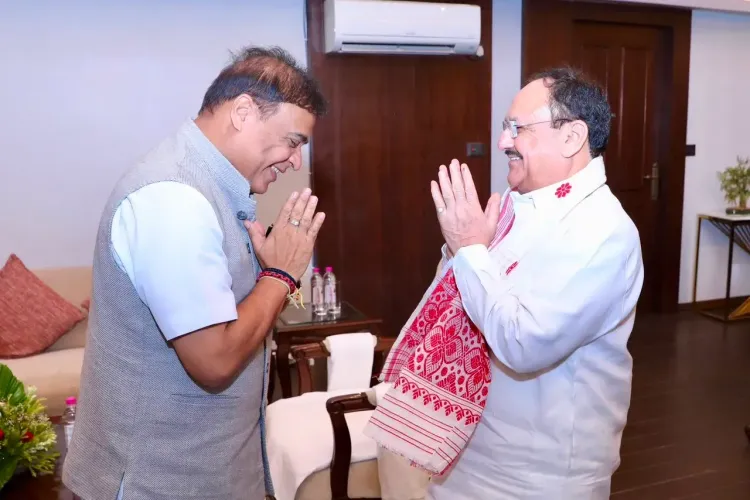
Union Minister J.P. Nadda visited Dibrugarh on August 4, 2026, to assess the Assam floods firsthand. Chief Minister Himanta Biswa Sarma briefed him on relief measures across affected districts, marking a significant Centre-state coordination moment in the ongoing flood crisis.
Key Takeaways
Nadda , Union Minister, arrived in Dibrugarh on August 4, 2026 to assess the Assam floods situation.
CM Himanta Biswa Sarma personally briefed Nadda on ongoing relief operations across flood-affected districts.
Dibrugarh serves as a key logistics hub in Upper Assam's flood-prone Brahmaputra belt.
A central minister's ground visit typically accelerates NDRF deployment and SDRF fund releases.
The visit signals the Assam flood crisis has escalated to a national-priority response .
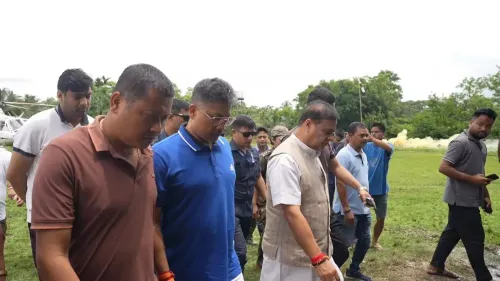
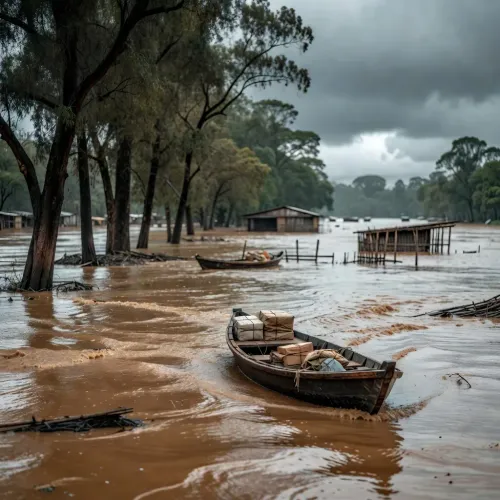
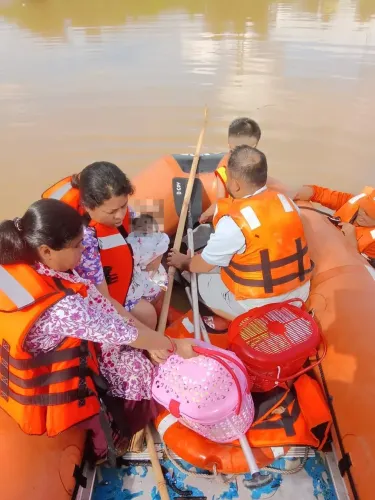
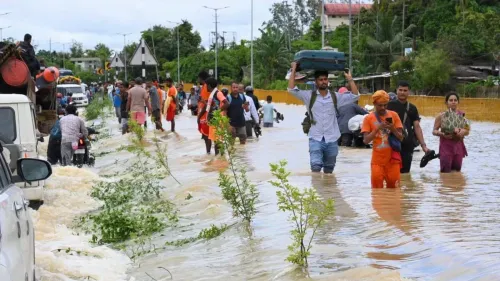
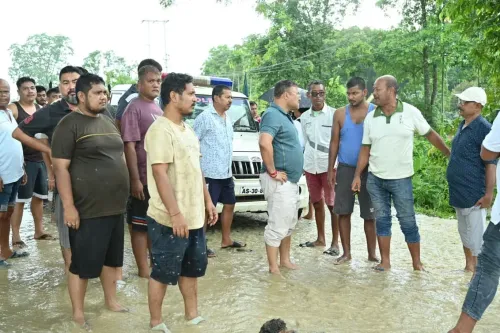
Floodwaters have been battering Assam for days — and now the response has drawn a senior voice from the Centre. Union Minister J.P. Nadda flew into Dibrugarh on Tuesday, August 4, 2026, to take direct stock of the #AssamFloods situation, with Assam Chief Minister Himanta Biswa Sarma personally briefing him on relief operations across the affected districts.
Nadda on the ground in Dibrugarh
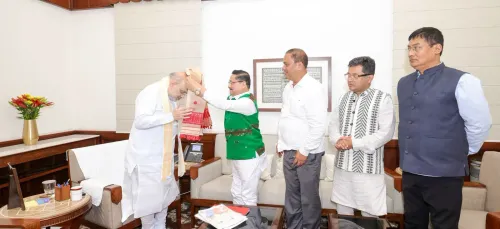
Dibrugarh, one of Upper Assam's largest urban centres and a key logistics hub for the flood-prone Brahmaputra belt, served as the staging point for Nadda's visit. CM Sarma confirmed he apprised the Union Minister of the ongoing relief measures being deployed across affected districts — signalling a coordinated Centre-state effort to manage what is shaping up as a severe flood season.
Why a central minister's visit matters
When a senior Cabinet minister lands in a flood-hit state, it typically unlocks faster inter-ministerial coordination — from NDRF deployment to emergency financial releases under the State Disaster Response Fund (SDRF). Assam is among India's most flood-vulnerable states, with the Brahmaputra and its tributaries inundating large swathes of the state nearly every monsoon. A direct assessment visit by a Union Minister accelerates the pipeline from ground-level damage reports to central resource allocation.
Relief operations across affected districts
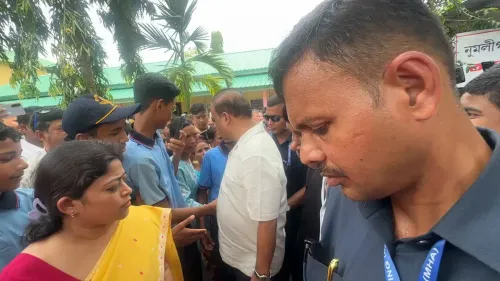
CM Sarma's briefing to Nadda covered relief measures underway across multiple districts — a signal that the flooding is not localised but spread across a wider geography. Rescue teams, relief camps, and food distribution networks are typically activated across such a spread, with district administrations reporting upward to the state and Centre in real time during major flood events.
With the monsoon season far from over, the Centre's physical presence on the ground sends a clear message: Assam's floods are now a national priority, not just a state emergency.
Point of View
Hosting Nadda in Dibrugarh is a dual move: it demonstrates administrative urgency and keeps the political channel to Delhi open for faster resource mobilisation. Assam's annual flood cycle has long exposed the structural gap between state capacity and the scale of Brahmaputra flooding — a gap that only central intervention can bridge. Nadda's visit, this early in the monsoon season, suggests the 2026 floods may already be tracking worse than average.
NationPress
5 Aug 2026
Frequently Asked Questions
Why did JP Nadda visit Assam in August 2026?
J.P. Nadda visited Dibrugarh on August 4, 2026, to take stock of the Assam floods situation and was briefed by Chief Minister Himanta Biswa Sarma on relief measures across affected districts.
Which districts in Assam are affected by floods in 2026?
CM Sarma's briefing to Nadda covered relief operations across multiple flood-affected districts, though specific district names were not listed in the official communication.
What relief measures are being taken for Assam floods?
State authorities are undertaking ongoing relief measures across affected districts, as briefed to Union Minister Nadda during his Dibrugarh visit on August 4, 2026.
What is Dibrugarh's role in Assam flood response?
Dibrugarh is a major urban and logistics hub in Upper Assam, making it a key coordination point for flood relief operations in the Brahmaputra belt.
How does a Union Minister's flood visit help Assam?
A central minister's visit typically accelerates inter-ministerial coordination, speeds up NDRF deployment, and can unlock emergency financial releases from the State Disaster Response Fund for the affected state.