CM Himanta Flags Flood Crisis in Sivasagar, Vows Full State Aid
Synopsis
Assam CM Himanta Biswa Sarma on 20 July 2026 warned that unprecedented rainfall had aggravated flooding in Sivasagar and nearby areas, pledging full state assistance to affected residents. The district, historically prone to Brahmaputra flooding, faces fresh pressure on infrastructure, agriculture and civilian life during the monsoon season.
Key Takeaways
CM Himanta Biswa Sarma on 20 July 2026 described recent rainfall as 'unprecedented' and said it had worsened the flood situation in Sivasagar .
The state government pledged 'all sort of assistance' to flood-affected residents in Sivasagar and surrounding areas.
Sivasagar is a historically flood-prone district in eastern Assam , fed by the Brahmaputra river system.
Assam faces recurrent monsoon flooding nearly every year, with agriculture, infrastructure and civilian life among the worst-hit sectors.
The state operates under a Flood Management Programme supported by central government funding for embankment and drainage works.
Deployment of NDRF or SDRF teams and formal damage assessments are expected to follow the Chief Minister's public commitment.
Assam Chief Minister Himanta Biswa Sarma on Monday, 20 July 2026, flagged a worsening flood situation in Sivasagar and surrounding areas, citing unprecedented rainfall over recent days and pledging the state government's full assistance to affected residents.
Context
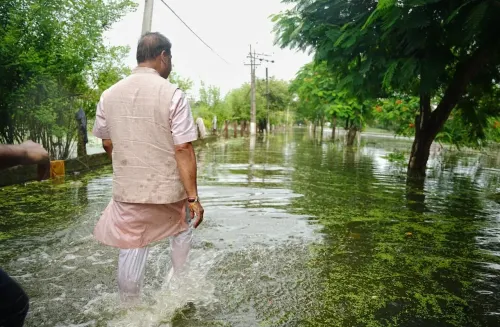
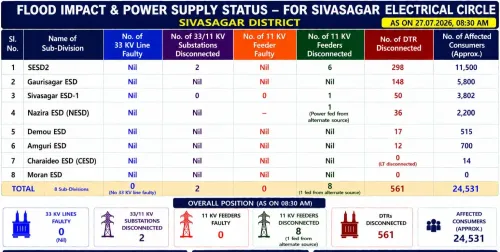
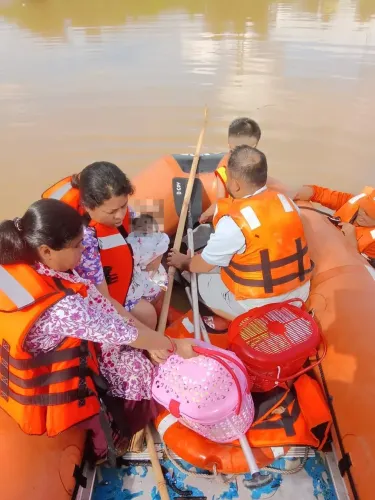
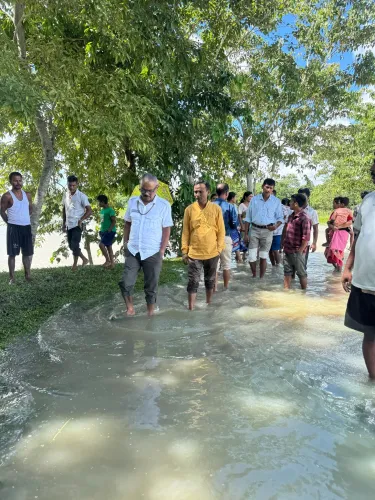
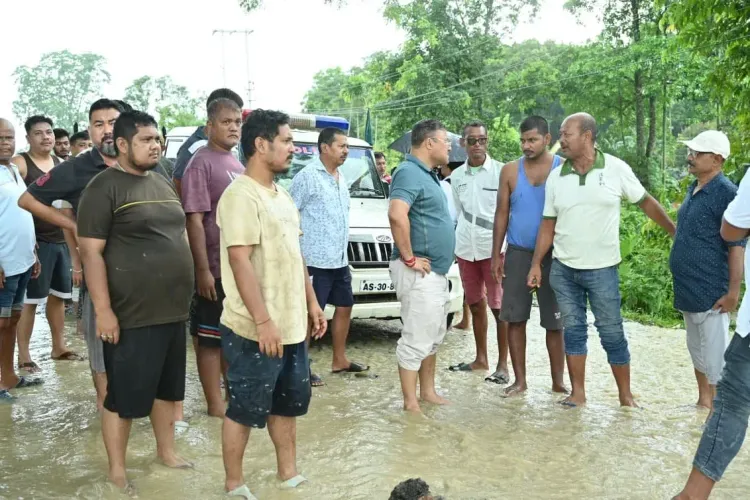
In his post, CM Sarma described the rainfall of the past few days as 'unprecedented', stating it had 'aggravated the flood situation in Sivasagar and nearby areas.' He reaffirmed the government's commitment to offer 'all sort of assistance to the affected' population. The post was accompanied by four images, believed to show conditions on the ground in the district.
Sivasagar, located in eastern Assam, is historically significant as the seat of the Ahom kingdom and sits in a flood-prone zone fed by the Brahmaputra river and its tributaries. The district has repeatedly borne the brunt of monsoon flooding, with agricultural land, road connectivity and civilian infrastructure among the most vulnerable assets.
Policy Backdrop
Assam has operated under a State Disaster Management Plan supported by the central government's Flood Management Programme since the early 2000s, with periodic allocations for embankment strengthening, dredging and drainage improvement. The National Disaster Response Force (NDRF) has historically been deployed in the state during peak monsoon emergencies, often in coordination with the state administration.
The Brahmaputra valley experiences recurrent flooding nearly every monsoon season, driven by heavy upstream rainfall, riverbank erosion and sedimentation. Successive governments in Guwahati have combined immediate relief operations with longer-term infrastructure projects, though the annual cycle of flood damage and repair remains a persistent governance challenge for the state.
Stakeholders and Impact
Flood-affected residents of Sivasagar and adjoining areas are the most immediate stakeholders, with livelihoods, homes and agricultural output at risk during the inundation period. Local district administration and relief camp operators will be at the forefront of translating the Chief Minister's commitment into on-ground action.
Farmers in the region face potential crop loss at a critical stage of the kharif season, while disrupted road and bridge connectivity can isolate villages and delay relief material movement. The state's response will also be watched by communities in neighbouring districts that share the same river basin and face similar flood exposure.
What's Next
Attention will now turn to the release of official damage assessments, the deployment of NDRF or State Disaster Response Force (SDRF) teams, and the operationalisation of relief camps across affected sub-divisions. Any request for additional central government assistance or a formal declaration of a flood-affected zone will be a key indicator of the crisis's scale.
Embankment repair tenders and district-level relief camp operations in the coming weeks will signal whether the state's response moves beyond immediate relief toward structural mitigation. CM Sarma's track record of personally monitoring flood situations suggests further updates and possible ground visits to Sivasagar are likely in the days ahead.
Point of View
He draws attention to a district with deep historical and political resonance in Assam, where flood relief delivery is closely scrutinised by local communities. The pledge of 'all sort of assistance' is deliberately broad, leaving room for both state-funded relief and a formal request for central government or NDRF support as damage assessments come in. The response fits a broader arc in which northeastern state governments use social media commitments as the first layer of crisis management, with institutional machinery expected to follow.
NationPress
20 Oct 2026
Frequently Asked Questions
Which areas in Assam are flooded in July 2026?
Sivasagar district and nearby areas in eastern Assam are experiencing worsening floods as of 20 July 2026 , according to Chief Minister Himanta Biswa Sarma , who cited unprecedented rainfall over recent days as the cause.
What is the Assam government doing about the Sivasagar floods?
Chief Minister Himanta Biswa Sarma has pledged full state government assistance to flood-affected residents in Sivasagar and surrounding areas, with deployment of disaster response teams and relief camp operations expected to follow.
Why does Assam flood every year?
Assam floods nearly every monsoon season due to heavy rainfall in the Brahmaputra basin, upstream water flow from Tibet and Arunachal Pradesh , riverbank erosion and sedimentation that reduces the river's carrying capacity.
What is the Flood Management Programme in Assam?
The Flood Management Programme is a central government-supported scheme under which Assam receives periodic funding for embankment strengthening, dredging and drainage improvement to reduce the impact of annual monsoon floods.
Is NDRF deployed in Assam floods 2026?
As of CM Sarma's post on 20 July 2026 , no specific NDRF deployment figures have been confirmed publicly; however, NDRF and SDRF deployment is standard practice during major flood events in Assam and is expected as assessments proceed.