CM Himanta Monitors Relief Ops as Assam Faces Crisis
Synopsis
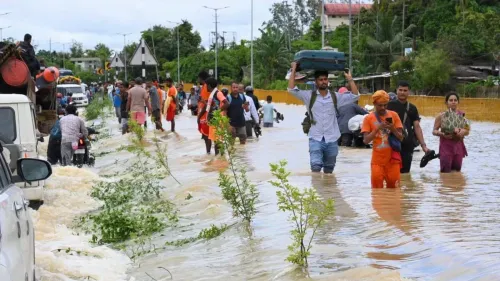
Assam Chief Minister Himanta Biswa Sarma on June 29, 2026, declared relief and rescue for all affected persons the state's top priority and confirmed he is closely monitoring the unfolding situation, amid what appears to be a significant disaster event in the state.
Key Takeaways
CM Himanta Biswa Sarma publicly stated on June 29, 2026 that relief and rescue for all affected persons is the government's top priority.
The Chief Minister confirmed he is closely monitoring the situation in real time.
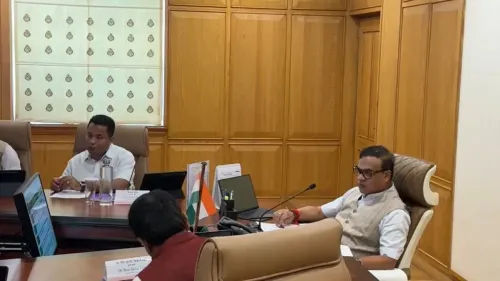
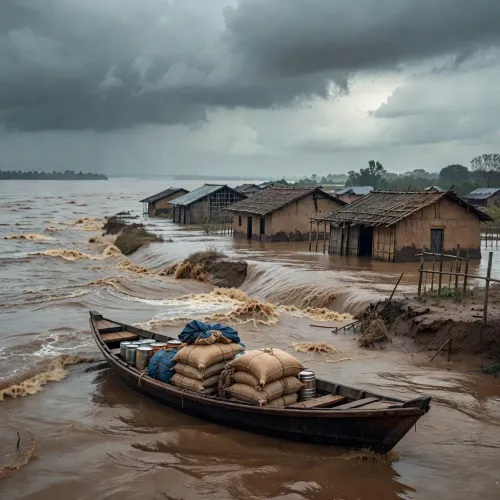
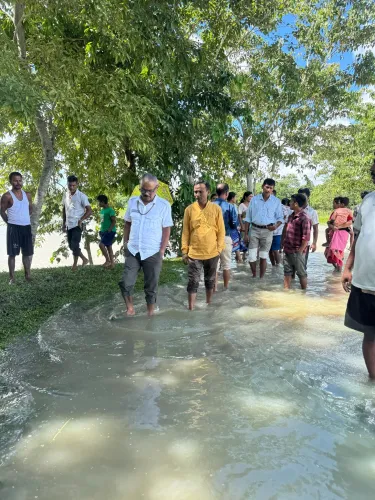
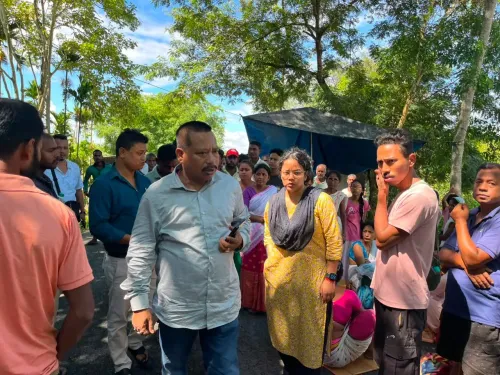
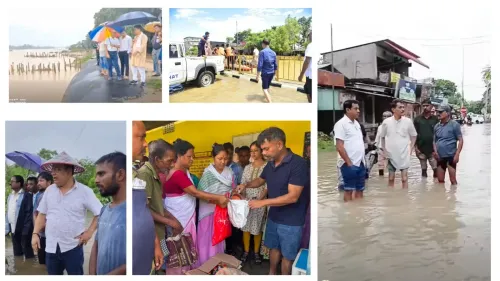
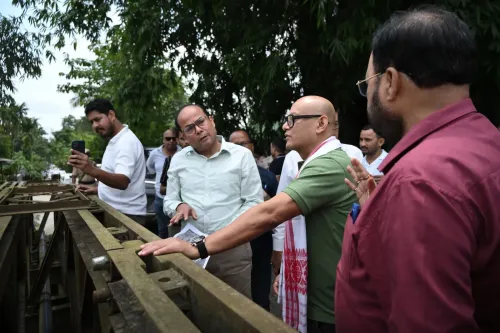
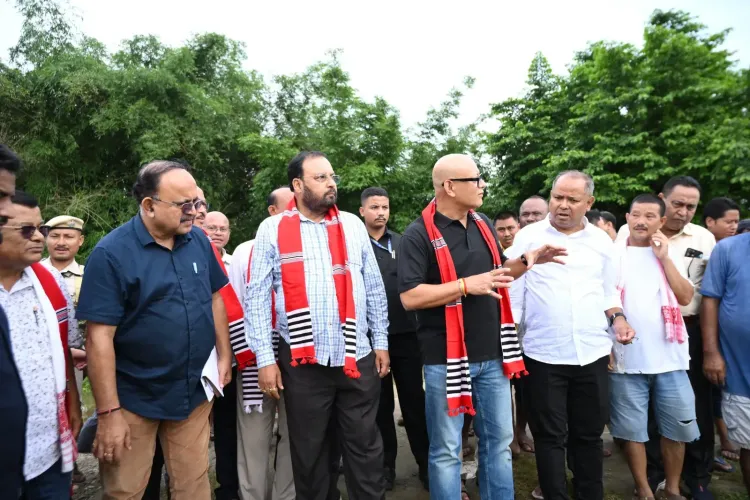
The post was accompanied by four images , indicating active ground-level developments.
Assam faces annual monsoon-season disasters involving the Brahmaputra river system, affecting districts such as Barpeta, Nagaon, Dhemaji , and others.
State response involves the ASDMA, NDRF , and SDRF as primary operational agencies.
Central assistance under the National Disaster Response Fund may be sought if damage assessments warrant it.
Assam Chief Minister Himanta Biswa Sarma on Monday, June 29, 2026, stated that ensuring relief and rescue operations reach all affected persons remains the government's top priority, as the state grapples with what appears to be a significant humanitarian situation. The Chief Minister confirmed he is personally and closely monitoring developments on the ground.
Context
Sarma posted on X (formerly Twitter) accompanied by four images, signalling an active, on-ground situation requiring urgent state response. His statement — 'Our priority is to ensure relief and rescue reach all those affected. We are closely monitoring the situation.' — is a direct public assurance to citizens that the administration is engaged.
Assam is perennially vulnerable to floods, landslides, and riverbank erosion, particularly during the June–September monsoon season. The Brahmaputra river system and its tributaries regularly inundate large swathes of the state, displacing lakhs of people and damaging crops, livestock, and infrastructure every year.
Policy Backdrop
The Assam State Disaster Management Authority (ASDMA) operates as the nodal agency for flood relief coordination, working in tandem with district administrations, the National Disaster Response Force (NDRF), and the State Disaster Response Force (SDRF). Relief camps, food distribution, and medical aid are standard components of the state's emergency response protocol.
Under CM Sarma's tenure, the Assam government has periodically sought central assistance under the National Disaster Response Fund (NDRF) for flood-related damages. The state has also invested in early warning systems and flood-resilient infrastructure, though annual losses continue to be substantial across districts such as Barpeta, Morigaon, Nagaon, Dhemaji, and Kamrup.
Stakeholders and Impact
The primary stakeholders are residents in flood- or disaster-affected districts, whose access to food, shelter, clean water, and medical care depends on the speed and reach of state relief machinery. Farmers face crop losses, while daily-wage workers and fisherfolk are among the most economically vulnerable groups during such events.
District administrations, NDRF and SDRF teams, and civil society organisations are on the front lines of response. The Chief Minister's public statement serves both as operational direction to officials and as reassurance to affected communities that the highest level of the state government is engaged.
What's Next
The administration is expected to issue district-wise situation reports and relief distribution updates in the coming days. CM Sarma is likely to conduct aerial surveys or ground visits to the worst-affected areas, a standard practice for the Chief Minister during major disaster events in Assam.
Central teams from the National Disaster Management Authority (NDMA) may be deployed if the scale of damage warrants additional resources. Citizens and relief workers should monitor official state government channels for updates on camp locations, helpline numbers, and evacuation advisories.
Point of View
Making the reassurance of personal monitoring politically significant. This follows a pattern in which Sarma positions himself as a hands-on administrator, particularly on issues — such as floods — that directly affect Assam's rural electorate ahead of future electoral cycles. The broader arc points to the persistent structural challenge of making Assam's disaster management machinery fast and equitable enough to reach the most remote and vulnerable communities.
NationPress
28 Sept 2026
Frequently Asked Questions
What did Assam CM Himanta Biswa Sarma say about the current crisis?
CM Himanta Biswa Sarma stated on June 29, 2026 that ensuring relief and rescue reach all affected persons is the government's top priority and that he is closely monitoring the situation.
Which agency handles flood relief in Assam?
The Assam State Disaster Management Authority (ASDMA) is the nodal agency, coordinating with district administrations, the NDRF, and the SDRF for rescue and relief operations.
Is Assam prone to floods and disasters every year?
Yes, Assam faces severe flooding annually during the June–September monsoon season due to the Brahmaputra river system, regularly displacing lakhs of residents and causing significant agricultural and infrastructure damage.
Can Assam seek central government help during floods?
Yes, the Assam government can and does seek financial assistance from the Centre under the National Disaster Response Fund (NDRF) based on damage assessments submitted after major disaster events.
Which districts in Assam are most affected by floods?
Districts such as Barpeta, Morigaon, Nagaon, Dhemaji, and Kamrup are among the most frequently and severely affected by annual monsoon flooding in Assam.